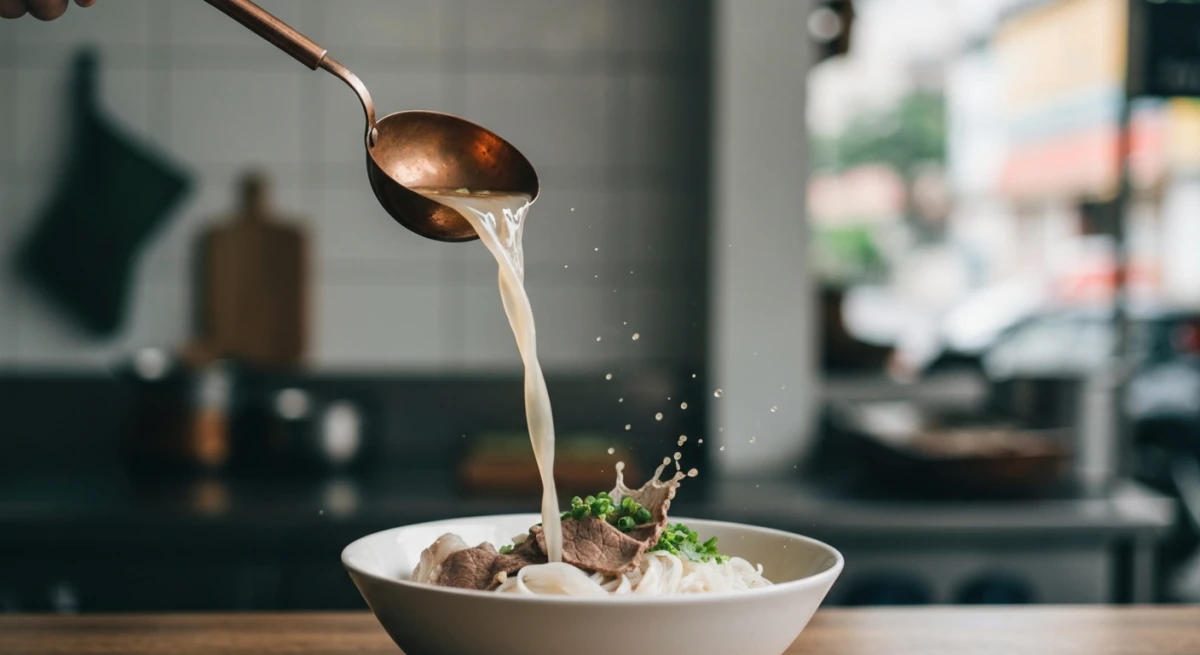
To walk through the ancient streets of Hanoi is to embark on a sensory-overload of sizzling grills, aromatic broths, and the constant hum of motorbike horns. For decades, Vietnam's capital has captured the hearts of culinary travelers, earning its reputation as one of the world's premier street food destinations. But with thousands of narrow alleys, unmarked doorways, and language barriers, finding the city's true culinary treasures can be daunting. This is where finding the best food tour hanoi has to offer becomes your golden ticket to unlocking the city's culinary secrets.
A food tour in Hanoi isn't just about filling your stomach; it's a deep dive into the history, culture, and soul of a centuries-old city. In this comprehensive guide, we'll break down the top food tours in Hanoi, explore the essential dishes you must try, and provide expert insider tips to ensure your culinary adventure is nothing short of legendary.
Decoding the Magic of Hanoi's Street Food Scene: The "Vỉa Hè" Culture
To truly appreciate a street food tour in Hanoi, one must understand the concept of "vỉa hè" (the sidewalk). In Hanoi, the sidewalk is not merely a pedestrian pathway; it is a living room, a kitchen, a social hub, and a dining hall.
Unlike Western dining, where meals are enjoyed behind closed doors and large glass windows, Hanoian culinary culture is fully transparent. You sit on miniature plastic stools—often only inches off the concrete—inches away from a boiling vat of pho broth or a charcoal grill billowing aromatic smoke. This proximity to the cooking process is central to the experience.
Northern vs. Southern Vietnamese Cuisine
Travelers often arrive in Hanoi expecting the sweet, herb-heavy flavors of Southern Vietnam (famous in Ho Chi Minh City). However, Northern Vietnamese cuisine is distinct. It is characterized by:
- Balance and Subtlety: Northern dishes rely heavily on black pepper and salt rather than sugar and heavy chili. The flavors are clean, delicate, and deeply savory.
- Aromatic Freshness: Instead of the mountain of raw herbs served in the South, Northern dishes use specific, targeted herbs like dill (in Cha Ca), cilantro, and green onions.
- Deep Broths: Broths in Hanoi are simmered for up to 12 hours, focusing on extracting the pure essence of beef or pork bones without relying on excess spices.
A curated walking tour helps demystify these flavors, taking you past the tourist traps and directly to the family-run stalls that have spent generations perfecting a single dish.
The French-Sino Influence: How History Shaped Hanoi’s Palate
To fully appreciate Hanoi’s culinary landscape, one must look at its history. Over centuries, Vietnam's northern capital was shaped by Chinese rule, French colonial occupation, and periods of economic hardship. Each of these eras left an indelible mark on the plates of Hanoians.
For instance, the beloved Pho is widely believed to have evolved during the French colonial era, blending the French love for beef pot-au-feu with local rice noodles and Chinese spices like star anise and cassia bark. Similarly, the iconic Banh Mi is a direct descendant of the French baguette, adapted with local ingredients like pork liver pâté and fresh herbs to create a lighter, crispier, and more affordable sandwich. Understanding these historical layers turns a simple food tour into a living history lesson.
How to Choose the Best Food Tour Hanoi Has to Offer
Not all food tours are created equal. Depending on your travel style, budget, and appetite, your ideal culinary excursion will vary. Here is an in-depth breakdown of the highest-rated Hanoi food tours, categorizing them by the type of traveler they suit best.
1. The Foodie Purist's Choice: The Chef-Led Dawn Market Tour
- Best For: Culinary enthusiasts, home cooks, and early risers.
- The Vibe: Immersive, educational, and raw.
- The Experience: Most food tours operate in the afternoon or evening, but the real magic of Hanoi’s food scene begins at dawn. Chef-led morning tours (such as "A Chef’s Tour - Hanoi Dawn") take you far away from the tourist paths of the Old Quarter. You will start at 4:00 AM or 5:00 AM, navigating the bustling wholesale markets where fresh herbs, meats, and seafood arrive from the countryside. Accompanied by a professional local chef, you'll learn about indigenous ingredients, sample market-style breakfasts like Bánh Khúc (sticky rice balls with mung bean and pork), and taste freshly pulled noodles.
- Why it wins: It offers a deep, technical look at Vietnamese cuisine that standard tours skip. You witness the ingredients in their rawest form before they reach the city's soup pots.
2. The Classic Street Food Explorer: The Old Quarter Walking Tour
- Best For: First-time visitors and solo travelers.
- The Vibe: Social, lively, and highly informative.
- The Experience: This is the quintessential Hanoi food experience. Companies like Hanoi Street Food Tours (famously run by Australian expat Mark Lowerson and local expert Tu) or Secret Food Tours Hanoi lead small groups through the labyrinthine streets of the Hoan Kiem district (Old Quarter). Over 3 to 4 hours, your guide will navigate hidden "ngõ" (alleys) to reveal legendary stalls. You'll stop at 6 to 8 different locations, tasting everything from crispy pancakes (Bánh Xèo) to steamed rice sheets (Bánh Cuốn), culminating in a cozy egg coffee at a hidden cafe.
- Why it wins: It strikes the perfect balance between cultural storytelling and incredible food, making the chaotic Old Quarter feel accessible and welcoming.
3. The Personalized & Dietary-Friendly Option: Private "10 Tastings of Hanoi"
- Best For: Couples, families, vegetarians, and travelers with dietary restrictions.
- The Vibe: Intimate, customizable, and relaxed.
- The Experience: Booking a private tour (such as those offered via Withlocals) allows you to connect 1-on-1 with a local resident. Because the tour is private, it can be 100% customized to your preferences. If you are vegetarian, vegan, or gluten-free, your local guide will pre-screen vendors to ensure you enjoy safe, delicious alternatives.
- Why it wins: Traditional group food tours struggle to accommodate complex dietary restrictions, but a private local guide knows exactly where to find high-quality vegetarian Bún Chả or gluten-free rice-based snacks without compromising on authenticity.
4. The Adventure Seeker’s Choice: The Motorbike Street Food Tour
- Best For: Thrill-seekers, younger travelers, and those wanting to escape the tourist hub.
- The Vibe: Fast-paced, exhilarating, and highly local.
- The Experience: Riding a motorbike is the ultimate way to experience Hanoi. On a motorbike food tour (often operated by local students or professional drivers), you sit on the back of a scooter as your driver navigates the city's controlled chaos. These tours easily venture beyond the Old Quarter into surrounding neighborhoods like Truc Bach, West Lake (Hồ Tây), and Ba Dinh. You’ll ride past illuminated historical monuments, stop at lakeside stalls for grilled seafood, and eat Bánh Tôm (crispy sweet potato and shrimp fritters) right on the water.
- Why it wins: It combines sightseeing with eating. The sheer thrill of zooming through Hanoi's traffic makes the food taste even sweeter.
| Tour Type | Best For | Typical Duration | Area Covered | Sample Dish |
|---|---|---|---|---|
| Chef-Led Dawn Tour | Culinary Purists | 4 Hours | Wholesale Markets & Ba Dinh | Bánh Khúc, Fresh Pho Broth |
| Old Quarter Walking | First-Timers | 3.5 Hours | Old Quarter Alleys | Bánh Cuốn, Egg Coffee |
| Private Customizable | Families / Vegetarians | 3 Hours | Tailored to preferences | Customizable Local Bites |
| Motorbike Tour | Adventure Seekers | 4 Hours | West Lake, Truc Bach, Outer Districts | Bánh Tôm, Grilled Duck |
The Ultimate Hanoi Street Food Bucket List: What You’ll Actually Eat
While every guide has their favorite spots, the best food tour hanoi offers will introduce you to these iconic culinary masterpieces:
1. Bún Chả (Charcoal-Grilled Pork with Rice Noodles)
No trip to Hanoi is complete without tasting Bún Chả. This dish consists of charcoal-grilled pork patties (chả) and slices of pork belly suspended in a warm, sweet-and-sour dipping sauce made from fish sauce, vinegar, sugar, and lime. It is served with a plate of cold rice vermicelli noodles (bún) and an absolute mountain of fresh herbs (perilla, coriander, mint).
- How to eat it like a local: Do not pour the sauce over the noodles. Instead, take a small bunch of noodles, dip them into the warm broth with your chopsticks, add a few herbs, and eat them together with a bite of the smoky pork. Don't forget to order Nem Cua Bể (crispy crab spring rolls) to dip alongside!
2. Bánh Cuốn Nóng (Steamed Rice Sheet Rolls)
Bánh Cuốn is a delicate breakfast and late-night favorite. It is made by steaming a thin, fermented rice batter over a tightly stretched cloth placed on top of a pot of boiling water. Once steamed into a translucent sheet, the chef expertly lifts it with a bamboo stick, fills it with minced pork and wood ear mushrooms, rolls it, and tops it with crispy fried shallots.
- The Secret: It is dipped in a seasoned fish sauce that is traditionally flavored with a drop of cà cuống (giant water bug essence), which adds a unique, slightly floral aroma.
3. Phở Bò & Phở Gà (Traditional Beef & Chicken Noodle Soup)
Though Phở is famous worldwide, its spiritual home is Hanoi. Here, the broth is the star. Unlike the sweeter Southern version which is heavily customized with hoisin and sriracha, Hanoian Pho is minimalist. The broth is clean, clear, and fragrant with star anise, cinnamon, and charred ginger.
- The Accompaniment: Locals always order Quẩy (deep-fried dough sticks) to dip into the hot broth. Squeeze a fresh lime wedge and add a splash of local chili sauce (tương ớt) to taste.
4. Chả Cá Lã Vọng (Sizzling Turmeric Fish with Dill)
Another dish you must look for on any premium Hanoi food tour is Chả Cá Lã Vọng. This is a highly specialized dish originating from a single family on Cha Ca Street in the Old Quarter. Chunks of firm white fish (traditionally hemibagrus, a type of catfish) are marinated in turmeric and galangal, then pan-fried at your table over a small portable burner filled with fresh dill and spring onions.
- How to eat it: Once the fish and dill are sizzling, you transfer a piece to your bowl of cold rice noodles, add roasted peanuts, fresh coriander, and a drizzle of mắm tôm (a pungent, fermented shrimp paste whipped with lime juice and chili until frothy). The combination of the hot, earthy turmeric fish, cold noodles, crunchy peanuts, and funky shrimp paste is one of the most complex flavor profiles in Vietnamese cuisine.
5. Phở Cuốn (Rolled Pho Sheets)
If you venture out to the Truc Bach lake area on a motorbike tour, you’ll discover Phở Cuốn. Born out of a late-night kitchen improvisation when a noodle shop ran out of pho broth, this dish features wide sheets of uncut pho noodles used as a wrap. The chef rolls tender, garlic-stir-fried beef and fresh herbs inside the soft rice sheet. It's served cold and dipped into a sweet, garlicky fish sauce. It's fresh, light, and the perfect antidote to Hanoi's summer humidity.
6. Cà Phê Trứng (Hanoi Egg Coffee)
Invented in Hanoi in 1946 by Mr. Nguyen Giang during a milk shortage, egg coffee has become a legendary liquid dessert. It is made by vigorously whisking egg yolks with condensed milk and sugar until it forms a thick, creamy, meringue-like foam, which is poured over robust, hot Vietnamese robusta coffee.
- How to drink it: Sip the bitter coffee through the sweet cream layer, or use a small spoon to eat the rich custard first before drinking the coffee beneath.
Critical Travel Tips: Hygiene, Etiquette, and Navigating the Sidewalks
Eating street food in Hanoi is one of the safest culinary experiences in Southeast Asia if you follow basic rules. Here is how to navigate the local food scene like a seasoned traveler:
1. The High-Turnover Rule
The safest street food stalls are those that specialize in just one dish and have a constant line of local customers. High turnover means the ingredients are bought fresh daily, cooked immediately, and never sit around at room temperature. If you see a stall packed with locals sitting on plastic stools, pull up a chair—it’s safe and guaranteed to be delicious.
2. Sidewalk Etiquette
Space is at a premium on Hanoi’s sidewalks. If you sit down, be prepared to share your tiny table with strangers. It is polite to eat quickly and move on once you are finished so others can sit. When you are done with napkins, lime wedges, or toothpicks, look under your table—many local spots have small trash baskets on the floor. If not, discarding them on the floor beneath your stool is actually customary in traditional joints (though westerners often find this jarring, it's how staff keep track of what needs sweeping!).
3. Dietary Adjustments
- Vegetarians (Ăn Chay): Look for the words "Quán Chay" (Vegetarian Eatery) or "Cơm Chay" (Vegetarian Rice). Many traditional street dishes use fish sauce as a base, so booking a dedicated guide is highly recommended to ensure your meals are truly vegetarian.
- Gluten-Free: Vietnamese food is highly rice-centric (rice noodles, rice paper, rice flour), making it relatively easy to eat gluten-free. However, beware of soy sauce (used in some marinades) and breaded fried items.
Hanoi Food Tour FAQ
Is street food in Hanoi safe to eat?
Yes, street food in Hanoi is generally very safe. Because street vendors have limited storage, they purchase fresh ingredients from morning markets daily and cook them right in front of you at high temperatures. To minimize risk, choose busy stalls with high local turnover, drink bottled water, and avoid raw vegetables that haven't been washed in purified water.
Can vegetarians do a food tour in Hanoi?
Absolutely! While traditional Hanoian food relies heavily on pork, beef, and fish sauce, Hanoi has a thriving Buddhist vegetarian culture. A private food tour is highly recommended for vegetarians, as a local guide can take you to dedicated "chay" (vegetarian) stalls and communicate your dietary needs to vendors.
When is the best time of day to do a food tour?
Late afternoon (around 5:30 PM) is the ideal time to book a walking food tour. During this window, the heat of the day begins to fade, locals flock to the streets after work, and the nightlife scene starts to wake up. Alternatively, an early morning tour (5:00 AM) is perfect for exploring the vibrant fresh markets.
Do I need to book a food tour in advance?
Yes, the best food tours in Hanoi are highly rated and have small group sizes (often limited to 6–10 people) to preserve the authentic experience. It is highly recommended to book your tour at least a few weeks in advance, especially during the peak travel seasons (September to November and March to April).
Experience Hanoi through Its Flavors
There is a popular saying among travelers: "To understand Hanoi, you must eat Hanoi." No museum or historical monument can convey the resilience, warmth, and creativity of the Hanoian people quite like a bowl of steaming pho cooked over hot coals in a hidden alleyway. By taking the time to research and book the best food tour hanoi offers, you aren't just signing up for a meal—you are stepping directly into the heart of Vietnam's rich living heritage. Bring your curiosity, leave your food inhibitions behind, and prepare for a culinary journey that will stay with you long after the last drop of egg coffee is gone.