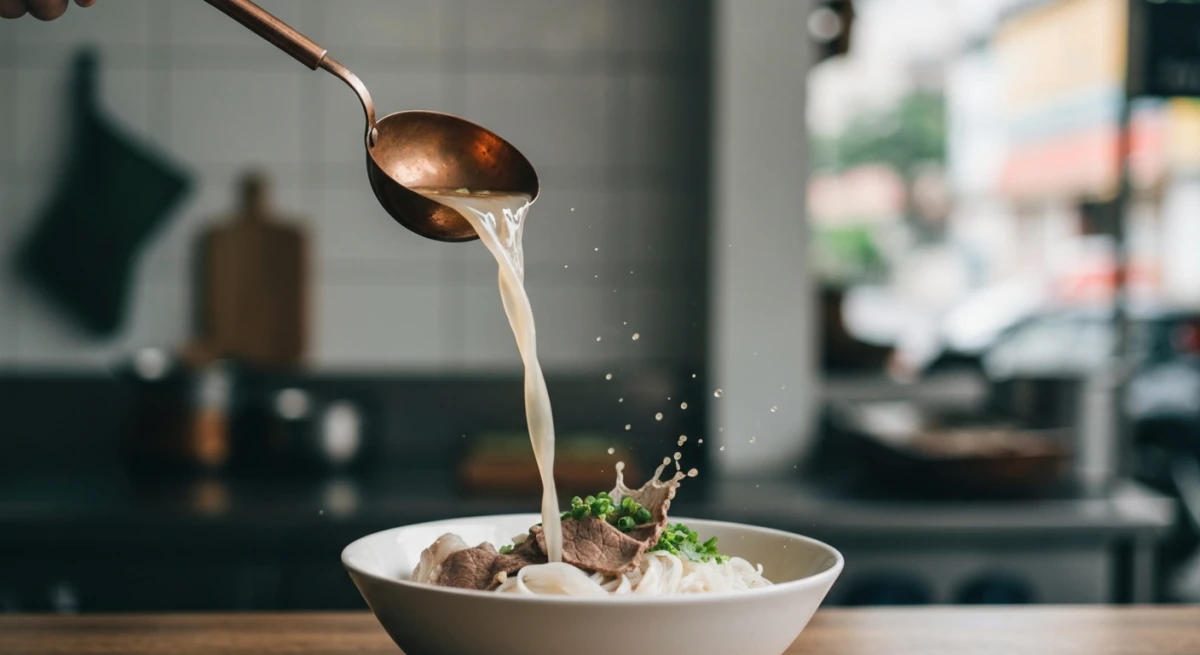
Ho Chi Minh City, still affectionately called Saigon by its 10 million residents, is a sensory explosion. It is a place where the roar of ten million motorbikes blends with the aroma of charcoal-grilled pork, sizzling crepes, and sweet, robust coffee. For first-time visitors, navigating this culinary labyrinth can be intimidating. Street food stalls spill off the sidewalks, neon signs flicker in incomprehensible Vietnamese, and the sheer volume of choices is overwhelming. This is exactly why booking a dedicated food tour ho chi minh city is not just a luxury—it is the ultimate way to unlock the city's authentic soul.
A great food tour does more than put a plate of noodles in front of you. It breaks down the social and cultural barriers of a city that lives, breathes, and socializes on low plastic stools. In this comprehensive guide, we will take you behind the scenes of Saigon’s world-class street food culture. We will evaluate whether a guided food tour is worth your investment, explore the absolute best dishes you must try, break down the culinary identities of different urban districts, and give you the insider knowledge required to book a safe, high-quality, and legally licensed excursion.
1. The Anatomy of a Saigon Food Tour: What to Expect
To understand what makes a food tour ho chi minh city so uniquely thrilling, you have to understand its format. Most premium tours operate in the late afternoon and evening, typically starting around 5:30 PM. This is when the tropical heat begins to break, and the city’s nocturnal food economy wakes up.
The Scooter Experience (Riding Pillion)
While walking tours exist, the quintessential Saigon food tour is conducted on the back of a motorbike (scooter). Motorbikes are the lifeblood of Ho Chi Minh City; they are the only vehicles nimble enough to weave through congested rush-hour traffic and plunge deep into the labyrinth of "hẻm" (narrow residential alleyways) where the best food stalls reside.
When you book a scooter-based tour, you will be paired with a personal local driver-guide. Before you set off, they will provide a comprehensive safety briefing. They will teach you how to mount the bike, where to place your feet, and how to hold on. The rule of thumb is simple: relax, keep your knees tucked in, and lean with the driver. Within ten minutes, the initial adrenaline rush of merging into Saigon's legendary traffic turns into pure, exhilarating fun.
The Typical Route and Logistics
A standard street food itinerary spans three to four hours and includes anywhere from 5 to 10 distinct food and drink tastings. A well-designed tour does not stay in tourist-heavy zones; it takes you on a geographic journey across multiple districts, allowing you to witness the stark contrasts between the colonial boulevards of District 1, the dense residential blocks of District 3, the energetic alleys of District 4, and the bustling markets of District 10.
The Crucial "Licensed vs. Unlicensed" Distinction
One of the biggest content gaps in standard travel blogs is the failure to warn travelers about unlicensed operators. In Ho Chi Minh City, there are dozens of budget "student-run" or freelance tour operations booked via social media or informal street agents.
While these tours may be cheap, they operate without a formal international tour operator license. This is a massive legal and financial risk. If you are injured in a scooter accident while on an unlicensed tour, your standard travel insurance policy will almost certainly refuse to cover your medical expenses, as you were participating in a commercial transport activity run by an unauthorized operator. Reputable agencies, such as Saigon Adventure or XO Tours, are fully licensed, carry comprehensive commercial liability insurance, and vet their drivers extensively. Always ask for proof of licensing before booking.
2. Guided Tours vs. DIY: Is a Ho Chi Minh City Food Tour Worth It?
A common question among budget-conscious travelers is: "Since street food in Vietnam is so cheap, why should I pay $40 to $70 USD for a tour when I can just walk around and buy it myself for $15?" It is a valid question, but it misses the hidden value of a professional guide.
The Economics of a Guided Tour
If you were to curate your own food crawl, your physical food costs would indeed be low—perhaps $1.50 for a banh mi, $3 for a bowl of pho, and $2 for a Vietnamese iced coffee. However, when you calculate the logistical friction, the equation changes:
- Transportation: Taxis and ride-hailing services (like Grab) can add up quickly as you move between disparate districts.
- Wasted Time: Navigating chaotic streets and trying to locate hidden alleyway stalls on Google Maps can take hours. Many of the best spots do not have an online presence or English signage.
- Menu Limitations: Without speaking Vietnamese, you are likely to point at the most familiar item on a menu, missing out on specialized regional variations or seasonal delicacies.
The Safety and Sanitation Shield
Food hygiene is a major concern for travelers visiting Southeast Asia. A professional tour guide acts as your culinary shield. Tour operators run these routes daily and only partner with vendors who maintain strict food preparation standards. They ensure the ice used in drinks is made from purified water (tubular ice with holes in the middle), that raw herbs are washed thoroughly in treated water, and that meats are kept at safe temperatures.
Furthermore, if you have severe dietary restrictions—such as a peanut allergy, celiac disease (gluten-free), or a shellfish allergy—navigating Vietnamese street food on your own can be highly dangerous. A local guide can communicate directly with the cook to ensure your food is prepared safely, a feat that is nearly impossible using translation apps alone.
3. The Star Dishes: What You’ll Taste Beyond Pho and Banh Mi
While everyone knows phở and bánh mì, a truly great food tour ho chi minh city will push your palate into deeper, more exciting territory. Here are the core dishes that define the Saigon street food experience and why they deserve a spot on your itinerary.
Bò Lá Lốt (Grilled Beef in Betel Leaf)
This dish is a masterclass in smoky, savory aroma. Ground beef is seasoned with spices, garlic, and lemongrass, wrapped tightly in wild betel leaves (lá lốt), and grilled over open charcoal. The heat caramelizes the beef fat while the betel leaf chars, releasing a distinct heirloom fragrance. You eat it by placing a grilled beef roll onto a sheet of rice paper, loading it with fresh herbs (including fish mint and sweet basil), vermicelli noodles, green banana, and starfruit, and rolling it up. It is dipped in mắm nêm—a pungent, fermented anchovy sauce balanced with sweet pineapple and chili.
Bột Chiên (Fried Rice Flour Cakes)
Originating from the city’s Chinese-Vietnamese community in Cholon (Chinatown), bột chiên is the ultimate late-night comfort food. Cubes of rice flour and tapioca starch are pan-fried on a massive flat iron griddle until the exteriors are incredibly crispy while the interiors remain chewy. The cook then cracks a couple of eggs over the crispy cakes, throws in a handful of chopped green onions, and flips it into a cohesive, golden pancake. It is served with a mountain of shredded green papaya to cut through the grease and a sweet-and-sour soy sauce dipping liquid.
Southern Bánh Xèo (Sizzling Crispy Crepes)
While Northern bánh xèo is small and thick, the Southern version is a spectacular culinary theatrical event. It is a massive, paper-thin, golden crepe made from rice flour, turmeric, and coconut milk, fried in a smoking-hot wok until the edges curl and turn shatteringly crisp. It is stuffed with pork belly, shrimp, mung beans, and bean sprouts. To eat it, you tear off a piece of the crispy crepe, wrap it inside a large, bitter mustard leaf or lettuce leaf along with fresh mint, and dip it into nước chấm (sweet, garlicky fish sauce).
Bún Thịt Nướng (Grilled Pork over Vermicelli)
If you want the perfect balance of warm, cold, savory, and sweet, bún thịt nướng is the answer. It features a bed of cold rice vermicelli noodles topped with warm, lemongrass-marinated grilled pork, crispy imperial rolls (chả giò), pickled daikon and carrots, crushed peanuts, and fresh herbs. The entire bowl is then drenched in a light, sweet chili fish sauce and mixed together. It is refreshing, highly textured, and deeply satisfying.
Bánh Tráng Trộn (Mixed Rice Paper Salad)
This is the ultimate street snack of Saigon’s high school and university students. Unlike hot soups, bánh tráng trộn is a dry, cold salad. Strips of dry rice paper are mixed in a large bowl with quail eggs, shredded green mango, dried beef jerky (khô bò), tiny dried shrimp, peanuts, fresh Vietnamese coriander (rau răm), and doused in a sweet-and-tangy tamarind sauce and chili oil. The result is a chaotic but beautifully cohesive mixture of chewy, crunchy, sour, spicy, and savory flavors that you eat with a pair of chopsticks straight out of a plastic bag.
Bún Mắm (Fermented Fish Noodle Soup)
Often referred to by culinary travelers as the "gumbo of Vietnam," bún mắm is a rich noodle soup that originates from the Mekong Delta. Its defining feature is a dark, intensely aromatic broth made from fermented mud carp (mắm cá linh) or gourami fish (mắm cá sặc). While the smell of the raw ferment is powerful, when cooked down with lemongrass, chili, and tamarind, it mellows into a deeply savory, slightly sweet umami bomb. The soup is loaded with thick rice noodles, crispy roasted pork belly, shrimp, squid, and stuffed eggplant. It is served with a mountain of fresh Delta herbs, including banana blossoms, water lilies, and sesbania flowers.
Chè (Sweet Dessert Soups)
No culinary journey in Saigon is complete without chè. This broad category of Vietnamese sweet desserts can be served hot or cold. One local favorite is chè mè đen (black sesame soup), a silky, warm dessert infused with pennywort and coconut milk. Another is chè thái, a vibrant, ice-cold bowl filled with jackfruit, longan, jelly, and coconut cream. These desserts reflect the Vietnamese culinary philosophy of balancing "warming" foods (like grilled meats and chili) with "cooling" ingredients.
4. Navigating the Districts: Where the Real Culinary Magic Happens
Ho Chi Minh City is divided into numbered and named districts, each possessing its own unique architectural, cultural, and culinary identity. A high-quality food tour ho chi minh city will deliberately cross these borders to show you the geographical diversity of Saigon's food scene.
| District | Culinary Identity | Must-Try Specialties | Vibe & Environment |
|---|---|---|---|
| District 1 | Cosmopolitan & Historical | Bánh Mì Huỳnh Hoa, High-end Phở, Craft Beer | Bustling, tourist-friendly, colonial architecture, broad streets. |
| District 3 | Mid-century Residential | Bún Bò Huế, Bột Chiên, Old-school Coffee | Leafy streets, historic French-style villas, local markets. |
| District 4 | Seafood & Snails (Ốc) | Grilled Scallops with scallion oil, Balut, Bánh Xèo | High-energy, narrow alleyways, working-class canals. |
| District 5 | Chinese-Vietnamese Fusion | Roast Duck, Dumplings, Herbal Soups | Historic, atmospheric shophouses, busy wholesale trading. |
| District 10 | Street Food Markets & Youth Culture | Cambodia Market Skewers, Bánh Tráng Nướng | Extremely dense, sensory overload, vibrant flower market. |
District 1: The Gateway
While District 1 is the heart of the city’s tourism, finance, and nightlife, its street food can sometimes feel sterilized or overpriced. However, it still holds historic gems. Hidden in the courtyards of colonial-era apartments are legendary noodle stalls that have operated for generations. It is also home to upscale food markets like Ben Nghe, which offer a clean, organized entry point for timid eaters.
District 3: The Residential Heart
Adjacent to District 1, District 3 offers a smoother, more residential pace. It is home to the historic Nguyễn Thiện Thuật apartment complex, built in the late 1960s. Here, the ground floors of these towering residential blocks have been converted into cafes, noodle shops, and dessert stalls. It is the perfect place to sample authentic bún bò huế (spicy lemongrass beef noodle soup) and bột chiên.
District 4: The Former Underworld turned Street Food Mecca
Separated from District 1 by a narrow canal, District 4 was once infamous as the stronghold of Saigon's mafia and dockworkers. Today, it has completely shed its dangerous past to become the undisputed street food capital of the city, particularly for ốc (seafood and freshwater snails). Vĩnh Khánh Street in District 4 comes alive at night with hundreds of low plastic tables sprawling onto the asphalt. Here, locals drink cheap beer and feast on snails cooked in salted egg yolk sauce, grilled scallops with peanut and scallion oil, and spicy lemongrass clams.
District 5: The Chinese Culinary Heartland of Cholon
Cholon, spanning across Districts 5 and 6, is one of the world's largest Chinatowns. Established by Hoa (ethnic Chinese) immigrants in the late 18th century, this area has a distinct architectural and culinary footprint. The food here is a fascinating fusion of Cantonese cooking techniques and Vietnamese ingredients. A food tour crossing into District 5 will introduce you to double-steamed herbal soups, roasted duck with exceptionally crispy skin, and hand-pulled noodles served in historic shophouses that have stood for more than a century. It is a completely different world from the sleek, modern towers of District 1.
District 10: The High-Octane Night Market
If you want to experience the raw, unfiltered energy of Saigon’s youth food culture, you must visit District 10. This district houses the famous Chợ Hồ Thị Kỷ (the flower market), which transforms into a massive night market after dark. Because of its historical connection to Cambodia, you will find unique Khmer-influenced street snacks, grilled skewered meats, and bánh tráng nướng (often called "Vietnamese pizza"—grilled rice paper topped with egg, green onions, minced pork, and chili sauce).
5. How to Choose and Book the Right Tour for Your Style
With so many operators offering a food tour ho chi minh city, choosing the right one requires looking past the surface. Here is how to match a tour to your personal travel style and safety requirements.
Option A: The Motorbike Street Food Tour (Best for Solo Travelers & Adventurers)
- What it is: You ride pillion on a scooter guided by a local English-speaking guide.
- Why choose it: It offers the most authentic, immersive, and fast-paced way to see the city. You cover far more geographical ground than a walking tour, easily hopping between Districts 1, 3, 4, 5, and 10 in a single evening.
- Top Operators: Saigon Adventure (highly rated for their safety standards and customized menus) and XO Tours (famous for their all-female staff clad in traditional áo dài tunics, offering a highly structured, informative cultural tour).
Option B: The Walking Street Food Tour (Best for Families & Slow Travelers)
- What it is: A local guide leads you on foot through a specific food-dense neighborhood or market.
- Why choose it: If you are traveling with young children, elderly family members, or simply have a deep-seated fear of riding on a motorbike, a walking tour is a fantastic alternative. It allows you to slow down, photograph the architecture, and observe local life without the rush of traffic.
- Top Operators: Street Food 101 by Saigon Street Eats (focuses deeply on a single neighborhood, teaching you how to order and eat like a local so you have the confidence to eat DIY for the rest of your trip).
Option C: Private and Customized Food Tours (Best for Foodies with Dietary Restrictions)
- What it is: A completely private guide and driver customized to your specific tastes or dietary needs.
- Why choose it: If you are vegetarian, vegan, gluten-free, or have severe allergies, group tours can sometimes struggle to adapt on the fly. A private tour allows the operator to pre-screen vendors and curate a bespoke menu just for you, ensuring a safe and stress-free dining experience.
6. FAQs About Ho Chi Minh City Food Tours
What if I don't know how to ride a motorbike or I am afraid of Saigon traffic?
You do not need any riding experience. You will sit comfortably on the back of the scooter behind a highly trained, experienced local driver who navigates the traffic daily. However, if your anxiety is too high, most reputable scooter tour operators can arrange a car or taxi option for a small surcharge. Alternatively, you can opt for a walking food tour.
Is the street food on these tours safe for my stomach?
Yes. Professional tour operators carefully vet their vendors. They prioritize stalls with high customer turnover (which guarantees freshness), hygienic food handling practices, and purified water ice. While mild digestive adjustment is always possible when traveling to a new country, food poisoning on highly rated, licensed tours is incredibly rare.
Can vegetarian, vegan, or gluten-free travelers join a food tour?
Absolutely, but you must inform the tour operator at the time of booking. Many street food dishes are naturally gluten-free (as they rely heavily on rice flour and rice noodles instead of wheat). Vegetarian and vegan options can be arranged by substituting meat with tofu, mushrooms, and using mushroom-based vegetarian fish sauce (nước mắm chay).
What should I wear on a Saigon food tour?
Wear comfortable, casual clothing and closed-toe shoes (avoid flip-flops, as you will be getting on and off motorbikes). Avoid wearing flashy jewelry or dangling purses, as drive-by bag snatches can occasionally occur in crowded city centers. Keep your phone secure and always ask your guide before taking photos of local vendors.
Should I tip my food tour guide and driver?
Tipping is not mandatory in Vietnam, but it is highly appreciated. If your guide and driver provided an exceptional, safe, and entertaining experience, a tip of 100,000 to 200,000 VND (approximately $4 to $8 USD) per person is a generous way to show your gratitude.
Conclusion
A food tour ho chi minh city is far more than a simple dining itinerary; it is an active immersion into the sensory, historical, and social fabric of Vietnam's most energetic metropolis. By stepping out of your comfort zone, climbing onto the back of a scooter, and trusting a local guide, you will bypass the tourist traps and discover the true flavors that make Saigon one of the world's greatest culinary destinations. Book a licensed operator, bring an open mind and an empty stomach, and prepare for an unforgettable culinary adventure.