Stepping onto the buzzing streets of Ho Chi Minh City is a sensory experience unlike any other. The relentless hum of thousands of motorbikes, the rich aroma of lemongrass and chargrilled pork wafting from sidewalk carts, and the sight of locals perched on low plastic stools are all parts of the city's legendary culinary identity. To truly understand this vibrant metropolis, you have to eat your way through it. Booking a saigon food tour—or crafting your own—is not merely about filling your stomach; it is an initiation into the local way of life. In this comprehensive guide, we will dive deep into the ultimate neighborhoods, iconic dishes, safety tips, and itineraries to help you conquer Saigon's legendary street food scene like a seasoned local.
The Magic of Saigon's Street Food Culture
To appreciate Saigon's food, you must first understand the concept of "văn hóa vỉa hè" (sidewalk culture). In Vietnam's southern metropolis, the sidewalk is not just a walkway; it is a kitchen, a dining room, a social club, and a living room. This is the birthplace of the famous plastic stool setup, where the table is low, the chairs are lower, and the culinary standards are extraordinarily high. Eating on the street isn't a sign of convenience—it is a preferred lifestyle. Here, some of the wealthiest residents park their luxury scooters right next to a humble cart to enjoy a fifty-cent bowl of soup.
Saigon acts as a massive culinary melting pot. Over the decades, millions of migrants from the northern, central, and southern provinces of Vietnam have brought their local recipes here, adapting them to the sweeter, herb-heavy palate of the south. This means a single neighborhood in Ho Chi Minh City can offer a fiery central bowl of bún bò Huế, a delicate northern-style phở, and a sweet southern-style hủ tiếu within a three-minute walk. It is this diversity that makes a curated saigon food tour so rewarding; you are tasting the culinary geography of the entire country in one city.
Another fundamental element of the local food scene is "nhậu" (pronounced "nhaow"), the Vietnamese art of eating, drinking, and socializing. A classic nhậu session involves ordering a table full of small plates—most notably local sea snails (ốc) and grilled meats—paired with ice-cold beer and plenty of ice. It is a loud, joyful, and deeply communal experience that defines Saigon after dark. To experience Saigon food is to participate in this shared celebration of life.
The Ultimate District-by-District Street Food Map
Many tourists make the mistake of sticking solely to District 1, missing out on the distinct culinary personalities of Saigon's other neighborhoods. To get the most out of your saigon food tour, you need to understand how the city's districts differ in their street food offerings. Let's explore the core districts that every food lover should visit.
District 1: Heritage & High-Stakes Eats
District 1 is the heart of Ho Chi Minh City, characterized by colonial-era landmarks and modern skyscrapers. While it is highly touristed, it still hides incredible culinary gems in its "hẻms" (narrow residential alleys). While the famous Ben Thanh Market is a great place to start, it is often overpriced and tailored to western palates. Instead, seek out the residential wet markets like Chợ Tân Định or Chợ Đa Kao.
If you want to experience District 1 like a local, seek out the alleys off of Cô Bắc and Đề Thám streets. Here, you'll find multi-generational vendors serving legendary bowls of noodle soups and crispy spring rolls in spaces no wider than a doorway. This district is also home to some of Saigon's most famous, high-profile street food institutions, such as the legendary Bánh Mì Huỳnh Hoa, where the baguettes are packed with a mountain of cold cuts and rich paté, and Bánh Mì Hồng Hoa, favored for its light, crispy texture and perfectly seasoned roast pork.
District 3: The Snacking Capital
Directly bordering District 1, District 3 is a leafy, residential neighborhood that feels slightly more authentic and relaxed. It is widely considered the snacking capital of Saigon, popular with university students and young professionals who flock to the area after school and work.
For a concentrated burst of flavor, head straight to Nguyễn Thượng Hiền Street. This narrow corridor is famous for bánh tráng trộn (mixed rice paper), a highly addictive street snack consisting of shredded rice paper tossed with quail eggs, jerky, dried shrimp, fresh herbs, green mango, and a tangy sweet sauce. District 3 is also home to Chợ Bàn Cờ, an incredible maze of alleys filled with steaming noodle stalls, savory porridge vendors, and traditional sweet soup shops.
District 4: Snails & Seafood Heaven
Historically known as a rugged, working-class neighborhood, District 4 has transformed into one of the most celebrated street food sanctuaries in Southeast Asia. Bordered by canals, this pocket-sized district is defined by charcoal smoke, clanking seafood shells, and plastic stools that spill out into the streets.
Your primary destination here is Vĩnh Khánh Street, affectionately known as "Snail Street." As night falls, this road transforms into a massive open-air seafood party. Thousands of locals gather at outdoor grills to feast on a dizzying variety of sea snails, clams, scallops, and crabs. It is loud, chaotic, and an absolute must-experience for any adventurous foodie. For a quieter but equally delicious experience, wander through the back alleys of Đoàn Văn Bơ street, which are filled with affordable local treats like chuối nướng (grilled banana wrapped in sticky rice and topped with sweet coconut milk).
District 5 (Chợ Lớn): Chinatown Classics
Chợ Lớn, encompassing District 5 and parts of District 6, is Saigon's historic Chinatown. Established in the late 18th century, it is a mesmerizing maze of old Chinese temples, shophouses, and bustling wholesale markets. The food here is a beautiful fusion of Cantonese and Teochew culinary traditions with Vietnamese ingredients.
In District 5, the noodle game is unmatched. You'll find vendors pull-stretching noodles by hand, serving deep-flavored duck noodle soups (mì vịt tiềm), and frying up crispy rice cakes (bột chiên). The flavors here lean slightly sweet and savory, utilizing aromatic Chinese herbs and spices. It is a stark contrast to the herb-heavy, fish-sauce-forward dishes found in other parts of the city.
7 Must-Try Dishes on a Saigon Food Tour
No saigon food tour is complete without tasting these iconic dishes. To help you navigate, we have selected seven essential foods, complete with their cultural background and the exact spots where you can try the best versions in the city.
1. Bánh Mì (Vietnamese Baguette)
While you can find bánh mì all over the world, nothing compares to eating one on a Saigon sidewalk. The Vietnamese baguette is incredibly light and crispy, thanks to a combination of wheat and rice flour. The classic southern version is a masterclass in texture and flavor balance, layering rich pork liver paté, homemade mayonnaise, multiple varieties of cold cuts, pickled daikon and carrots, fresh cucumber slices, cilantro, and a dash of chili. It is meant to be eaten immediately while the bread is still warm and crackling.
- Where to try it: Bánh Mì Huỳnh Hoa (26 Lê Thị Riêng, District 1). Known as the most decadent (and heavily filled) bánh mì in the city, one sandwich is easily enough for two people. For a lighter, more traditional option, try Bánh Mì Hồng Hoa (54 Nguyễn Văn Tráng, District 1).
2. Cơm Tấm (Broken Rice)
Historically, cơm tấm was a humble dish eaten by poor farmers who made use of the fractured rice grains damaged during the milling process. Today, it is Saigon's ultimate comfort food and a breakfast staple. The broken rice grains have a unique, fluffy texture that perfectly absorbs the flavors of the accompaniments. It is topped with a sweet-and-savory charcoal-grilled pork chop (sườn nướng), shredded pork skin (bì), a steamed egg custard cake (chả trứng), and drizzled with scallion oil and sweet fish sauce.
- Where to try it: Cơm Tấm Ba Ghiền (84 Đặng Văn Ngữ, Phú Nhuận District). This legendary spot is famous for serving a massive, deeply marinated pork chop that has been recognized by the Michelin Guide's Bib Gourmand list.
3. Phở Lệ (Southern-style Pho)
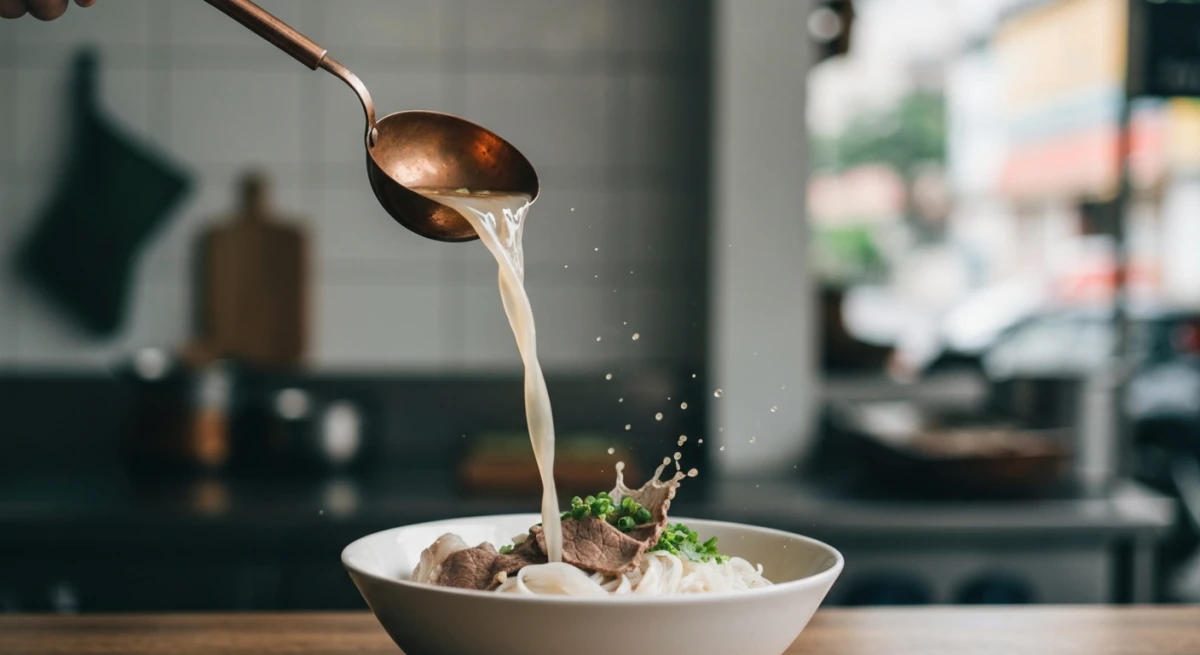
While Hanoi is the birthplace of phở, Saigon has put its own unmistakable stamp on the national dish. Southern-style phở features a sweeter, richer, and more robust beef broth. It is served with a mountain of fresh herbs—including Thai basil, saw-tooth coriander, and rice paddy herb—along with bean sprouts, fresh lime, and chili. Crucially, southern-style pho is eaten with a dipping sauce of hoisin and chili sauce to flavor the tender cuts of beef.
- Where to try it: Phở Lệ (415 Nguyễn Trãi, District 5). Established in 1970, this Michelin-recommended spot serves a rich, aromatic southern broth packed with tender brisket, rare beef, and bouncy meatballs.
4. Ốc (Sea Snails & Shellfish)
As mentioned, eating ốc is an essential cultural experience in Saigon. It is less about a single dish and more about the diverse ways these shellfish are prepared. You can order different varieties of snails cooked in sweet-and-sour tamarind sauce (sốt me), stir-fried with rich garlic butter (xào bơ), baked with creamy cheese (nướng phô mai), or cooked in a decadent salted egg yolk sauce (sốt trứng muối). Do not forget to use the local crusty bread to mop up the leftover sauces!
- Where to try it: Ốc Oanh (579 Vĩnh Khánh, District 4). Situated on the iconic snail street, this bustling open-air spot serves exceptionally fresh seafood with bold, spicy flavors.
5. Bột Chiên (Pan-Fried Rice Cakes)
With its roots in Chinese-Teochew cuisine, bột chiên is a beloved late-night street food in Saigon. Cubes of dense rice flour cake are fried on a flat griddle until they form a golden, ultra-crispy crust while remaining soft and chewy on the inside. An egg is cracked over the cakes to bind them together, topped with a generous handful of green scallions. It is served with a sweet-and-tangy soy sauce dipping liquid and a pile of crunchy, shredded green papaya to cut through the richness.
- Where to try it: Bột Chiên Đạt Thành (277 Võ Văn Tần, District 3). A legendary local shop that has been frying up some of the crispiest rice cakes in Saigon for decades.
6. Bò Lá Lốt (Grilled Beef in Betel Leaves)
This dish consists of minced beef seasoned with spices, wrapped tightly in wild betel leaves (lá lốt), and grilled over hot charcoal. The grilling process releases the fragrant, herbaceous oils of the betel leaf, infusing the juicy beef with an incredible smoky aroma. It is served as a DIY platter: you take a sheet of rice paper, add fresh lettuce, herbs, green banana, star fruit, a bundle of rice vermicelli noodles, and a roll of bò lá lốt, roll it up, and dip it into a pungent pineapple-anchovy sauce (mắm nêm).
- Where to try it: Bò Lá Lốt Hoàng Yến (121 Cô Giang, District 1). This bustling roadside vendor serves incredibly juicy rolls that are perfectly charred, attracting crowds of locals every evening.
7. Hủ Tiếu Nam Vang (Phnom Penh Noodle Soup)
This noodle soup is a beautiful testament to Saigon's multicultural history, blending Cambodian, Chinese, and Vietnamese culinary influences. The soup features chewy tapioca noodles served in a sweet, clear pork bone broth. It is generously topped with sliced pork, minced pork, quail eggs, fresh shrimp, liver, and heart, finished with crispy fried garlic and fresh celery. You can order it "wet" (with broth) or "dry" (noodles tossed in a sweet-and-savory soy glaze with the hot broth served on the side).
- Where to try it: Hủ Tiếu Thanh Xuân (62 Tôn Thất Thiệp, District 1). Running for over seven decades, this historic stall is famous for its unique dry sauce and rich culinary heritage.
Guided Motorbike Tour vs. DIY Self-Guided Tour
If you are planning your culinary adventure, you will face a fundamental choice: should you book an organized, guided saigon food tour or embark on a self-guided DIY journey? Both options have their pros and cons.
The Guided Motorbike Tour: The Stress-Free Adventure
For most travelers, especially first-time visitors, joining a guided motorbike food tour is the ultimate way to experience the city.
- The Experience: You'll hop on the back of a scooter driven by a licensed, English-speaking local guide (often young university students). They will navigate Saigon’s chaotic traffic with ease while you enjoy the wind in your hair and take in the sights.
- Access: Guides know the exact alleys and hidden residential blocks where the best food is served. These are places that are practically invisible to tourists and do not appear on Google Maps.
- The Storytelling: A great guide doesn't just feed you; they explain the history of the dishes, teach you the correct local eating etiquette, and share stories about life in Saigon.
- The Verdict: Perfect for solo travelers, first-time visitors, and those who want an immersive, completely stress-free cultural experience.
The DIY Self-Guided Tour: For the Adventurous Explorer
If you prefer to move at your own pace and are on a tight budget, planning a DIY tour using ride-hailing apps like Grab is highly rewarding.
- The Experience: You select your own destinations, hop in a Grab car or motorbike, and head straight to the vendors. This gives you complete freedom over what you eat, when you eat, and how much time you spend at each spot.
- The Challenge: You will need to handle the language barrier on your own (Google Translate is your best friend here) and navigate busy streets. You also run the risk of arriving at a vendor only to find they have closed early.
- The Verdict: Excellent for seasoned travelers, slow travelers, or those who want to focus intensely on specific niche dishes.
Essential Food Safety, Hygiene, and Survival Tips
Eating street food can sometimes feel intimidating, but a few simple rules will ensure you have an incredible culinary experience without any stomach issues.
1. Follow the Crowds (The "Hot, Busy, and Clean" Rule)
When choosing a street food stall, look for places that are packed with locals. High turnover means the ingredients are exceptionally fresh and aren't sitting around in the heat. Furthermore, observe the setup: does the vendor keep their ingredients covered? Is the cooking area clean? Is the food cooked to order and piping hot? If yes, it is highly likely safe to eat.
2. The Ice and Water Myth
Many travelers are terrified of drinking ice in Vietnam. However, in Ho Chi Minh City, almost all reputable food vendors and street stalls purchase purified tube ice (đá ống) from commercial ice factories. These cylindrical ice cubes with holes in the middle are completely safe. Avoid large, crushed blocks of ice, as they may have been transported under less hygienic conditions. To be safe, look for bottled water or drink local favorites like fresh coconut water (nước dừa) straight from the shell.
3. Mind Your Valuables (Motorbike Safety)
While Saigon is a safe city overall, opportunistic bag-snatching by passing motorcyclists can occur, particularly in high-density tourist areas like District 1 and around Pham Ngu Lao. When walking down the street or sitting at a sidewalk stall, do not leave your phone or bag resting on the edge of the table facing the road. Keep your bag straps wrapped securely around you, and avoid holding your phone out near the curb to take photos.
4. Vegetarianism in Saigon
If you are vegetarian or vegan, you can still experience a fantastic saigon food tour. Look for the word "Chay" on signs. Vietnam has a deep Buddhist heritage, and on the 1st and 15th days of the lunar calendar, many locals eat strictly vegetarian. You can find incredible vegetarian versions of local classics, such as bánh mì chay, phở chay, and hủ tiếu chay, which utilize flavorful mushrooms, tofu, and plant-based broths.
Frequently Asked Questions (FAQ)
Is a Saigon food tour safe for solo female travelers? Yes, absolutely! Joining a guided motorbike food tour is one of the safest and most popular activities for solo female travelers in Ho Chi Minh City. The local tour operators are highly professional, and riding pillion with a friendly guide provides an instant social connection and an extra layer of security.
How much does a street food tour in Ho Chi Minh City cost? An organized, high-quality guided motorbike tour typically costs between $35 and $70 USD per person. This price is highly inclusive, covering all food and drink tastings, motorbike transport, insurance, helmet, and an English-speaking guide. If you do a DIY tour, you can eat like royalty for $10 to $15 USD per day.
What should I wear on a motorbike food tour? Wear comfortable, casual clothing and sturdy, closed-toe shoes (avoid flip-flops, as you'll be getting on and off motorbikes). Avoid wearing dangling jewelry or loose shoulder bags that could be easily snagged. It is also a good idea to bring a light jacket or poncho in case of a sudden tropical downpour.
Can I find gluten-free options on a Saigon food tour? Yes. Vietnamese cuisine is naturally quite friendly to gluten-free diets, as rice is the primary staple. Rice noodles (used in phở and hủ tiếu), rice paper (used in fresh spring rolls), and rice flour crêpes (bánh xèo) are naturally gluten-free. However, be cautious of soy sauce and deep-fried items. Always let your guide know about your dietary restrictions beforehand.
When is the best time of day to go on a food tour? While breakfast tours are fantastic for experiencing wet markets and fresh noodle soups, the absolute best time for a food tour is the evening (from 6:00 PM to 10:00 PM). This is when the city truly comes alive, the air cools down, and the legendary night markets, snail streets, and outdoor grills kick into high gear.
Final Thoughts: Taste, Ride, Smile
A saigon food tour is far more than a simple checklist of dishes. It is an invitation to slow down, pull up a tiny plastic stool, and connect with the heart and soul of Ho Chi Minh City. By venturing beyond the tourist districts and embracing the loud, chaotic, and delicious world of street food, you will gain a profound appreciation for Vietnam’s culinary artistry and warm hospitality. So, hop on a scooter, bring a hearty appetite, and prepare for a flavor adventure you will never forget.