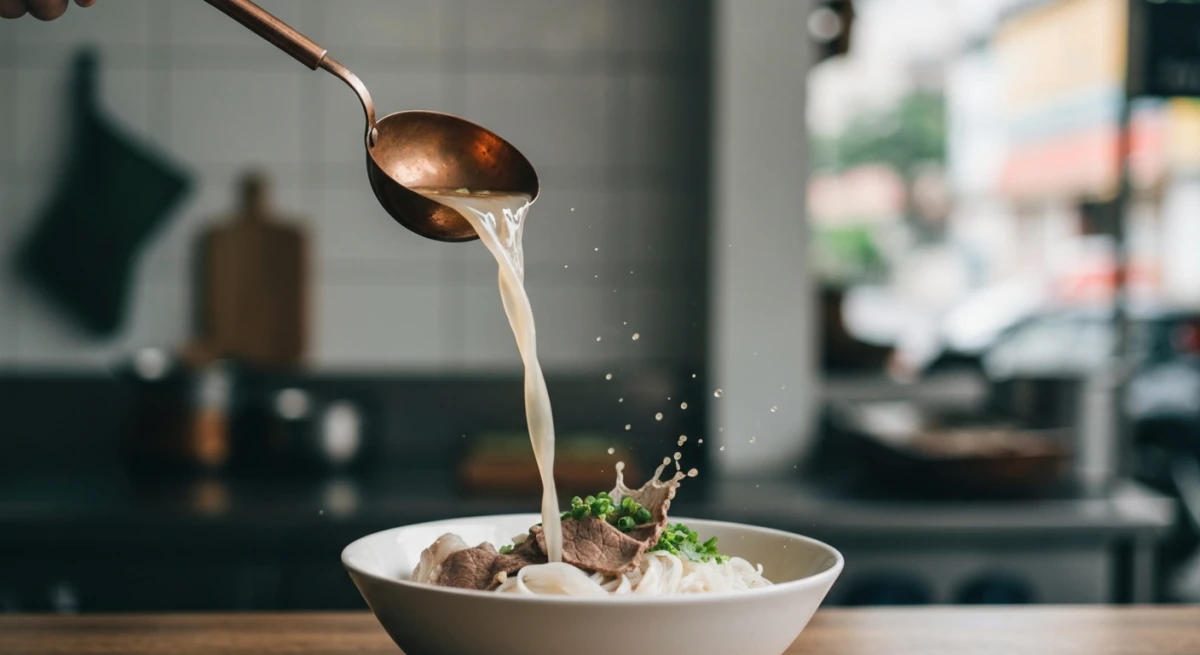
Hanoi is a city that does not merely feed you; it completely absorbs you. Step into the narrow, historic alleyways of the Old Quarter, and your senses are instantly greeted by an intoxicating, chaotic rhythm. You will hear the high-pitched sizzle of fresh spring rolls hitting bubbling oil, smell the deeply aromatic, charred aroma of lemongrass pork grilling over hot charcoal, and see locals huddled on tiny, bright-blue plastic stools laughing over steaming bowls of noodle soup. In Hanoi, dining is not confined to the indoors. It is an open-air, democratic, and celebratory affair played out on the sidewalks.
For any traveler seeking to truly understand this vibrant capital, booking or crafting a streetfood tour hanoi style is not just an optional activity—it is an absolute rite of passage. Food is the lens through which Hanoian history, culture, and community are best viewed. However, navigating this culinary maze on your own can be incredibly overwhelming. With thousands of street vendors, tucked-away alleyway kitchens, and unmarked storefronts, how do you separate the tourist traps from the generational master chefs?
In this ultimate guide, we will take you on a deep dive into the world of street food in Hanoi. Whether you are looking to book a professional guided streetfood tour in Hanoi or design a self-guided DIY crawl through the Old Quarter, this comprehensive guide covers everything: the must-eat dishes, the hidden alleys, food safety tips, and the cultural etiquette that will help you dine like a true local.
Why a Guided Streetfood Tour in Hanoi is an Absolute Must (vs. Going Solo)
When you first arrive in Hanoi, your immediate instinct might be to consult a popular travel app, pick a highly-rated spot, and head out. But the culinary ecosystem of Hanoi operates on a different frequency. Here is why joining a structured streetfood tour in Hanoi with a local guide offers an unmatched experience compared to exploring entirely on your own:
1. Navigating the Chaotic Alleyways and "Hidden" Spots
Some of the most legendary culinary gems in Hanoi are located in places you would never naturally look. They exist in dark, shoulder-width residential alleys (known as ngõ), behind unassuming clothing shops, or up crumbling colonial-era staircases. Local guides have spent their entire lives exploring these spaces. They know the family-run stalls that have been serving a single, perfected dish for four generations—places that have no English menus, no web presence, and no signboards.
2. Breaking the Language Barrier and "Secret" Ordering
While many young Hanoians speak excellent English, the grandmothers who run the best street food stalls often do not. A local guide acts as your culinary translator. They can customize your dishes, ensure you get the absolute freshest cuts, and order off-menu specialties. For instance, they can order a specific cut of pork for your bún chả, or request a rarer, highly prized herb to accompany your bánh cuốn.
3. Understanding the Cultural and Historical Context
Vietnamese food is deeply symbolic and regional. Northern Vietnamese cuisine (Hanoian food) is distinct from the sweet, spicy flavors of the South or the fiery, complex dishes of Central Vietnam. Hanoian food is all about balance, subtlety, and clean, delicate flavors. A professional guide will explain why certain dishes are eaten in specific seasons, the yin-and-yang philosophy behind pairing cooling herbs with warming meats, and the historical influences—from Chinese dynastic rule to French colonialism—that shaped dishes like bánh mì and phở.
4. Safety, Hygiene, and Local Vetting
The dreaded "Hanoi belly" is a common fear for international tourists. While Hanoi’s street food is generally very fresh due to high daily turnover, a local guide knows which vendors use clean, filtered water, prepare their ingredients safely, and maintain high hygiene standards. They protect your stomach while pushing your culinary boundaries.
The Ultimate 4-Hour Hanoi Streetfood Tour Itinerary
If you want to experience the absolute pinnacle of Hanoian street gastronomy, here is a meticulously curated, chronological itinerary. This mimics an elite-tier private walking tour through the heart of the Old Quarter. You can use this as a DIY guide or use it to evaluate the quality of any commercial tour you are thinking of booking.
Stop 1: Bánh Cuốn (Steamed Rice Rolls)
Estimated Time: 5:00 PM | The Light Appetizer Where to try: Bánh Cuốn Bà Hoành (66 Tô Hiến Thành) or Bánh Cuốn Gia Truyền Thanh Vân (14 Hàng Gà)
We begin our evening streetfood tour in Hanoi with something delicate, clean, and incredibly artistic. Bánh cuốn is a Northern specialty made from a fermented rice batter. The chef pours a thin ladle of this liquid batter onto a tightly stretched piece of cloth over a pot of boiling water. In a matter of seconds, it steams into a translucent, paper-thin sheet.
Using a long bamboo stick, the chef deftly lifts the delicate sheet, places it on a greased surface, and stuffs it with minced pork, earthy wood-ear mushrooms, and minced shallots. It is rolled up, chopped into bite-sized pieces, and showered with crispy, golden-fried shallots.
How to eat it like a Hanoian: Dip the rolls into a warm bowl of light nước chấm (a diluted fish sauce infused with rice vinegar, sugar, garlic, and chili). For a traditional kick, ask the vendor for a drop of cà cuống—the highly aromatic, pear-like essence of the giant water bug. Accompany each bite with a slice of chả quế (cinnamon-infused pork paste) and fresh cilantro.
Stop 2: Bún Chả (Charcoal-Grilled Pork with Rice Noodles)
Estimated Time: 5:40 PM | The Iconic Masterpiece Where to try: Bún Chả Tuyết (34 Hàng Than) or Bún Chả Đắc Kim (1 Hàng Mành)
No streetfood tour in Hanoi is complete without paying homage to bún chả, the dish made globally famous when President Barack Obama and chef Anthony Bourdain shared a meal over cold Bia Hanoi beers in 2016.
As you approach the stall, you will smell the smoke before you see the sign. Fatty pork belly slices and ground pork patties are heavily marinated in fish sauce, sugar, garlic, and shallots, then squeezed into metal skewers and grilled over red-hot charcoal on the sidewalk.
How to eat it like a Hanoian: You will be served a platter of cold vermicelli rice noodles (bún), a mountain of fresh herbs (including kinh giới or Vietnamese balm, perilla, and mint), and a warm bowl of sweet, savory, and tangy broth containing the grilled pork and pickled green papaya. Take a small bunch of noodles, dip them directly into the broth, add a few torn herb leaves, grab a piece of smoky pork, and eat it all in one glorious, multi-textured bite. Pair this with nem cua bể—square, deep-fried crab spring rolls that shatter delightfully upon your first bite.
Stop 3: Bún Cá Sâm Cây Si (Alleyway Fish Noodle Soup)
Estimated Time: 6:30 PM | The Hidden Alley Secret Where to try: Bún Cá Sâm Cây Si (5 Ngõ Trung Yên, Hàng Bạc)
Now, we head deep into the labyrinth. Ngõ Trung Yên is a narrow, bustling residential alleyway that holds one of Hanoi's best-kept culinary secrets. Bún cá (fish noodle soup) is a vibrant, multi-layered dish that perfectly demonstrates the Hanoian love for balanced acidity.
The bowl features crispy, deep-fried chunks of fresh fish (usually tilapia or carp) served over round rice noodles in a piping-hot, crimson broth brewed from pork bones, tomatoes, dill, and pineapple. The pineapple and tomatoes give the broth a refreshing, sweet-and-sour profile, while the generous scattering of fresh dill adds a fragrant, herbaceous aroma.
How to eat it like a Hanoian: Squeeze a fresh lime wedge into the broth and add a tiny dash of homemade garlic-vinegar and chili sauce. Alongside the soup, order a plate of bánh tôm (crispy sweet potato and shrimp cakes). Dip the crunchy shrimp cake directly into the fish broth to soften it slightly before eating.
Stop 4: Phở Trộn (Dry Mixed Pho)
Estimated Time: 7:15 PM | The Modern Twist on a Classic Where to try: Phở Hạnh (65 Lãn Ông) or Phở Trộn Khánh Béo (17 Hàng Hòm)
Everyone knows phở, the world-famous beef noodle soup. But in the humid, warm evenings of Hanoi, locals often prefer phở trộn—a refreshing, dry, mixed version of the dish that swaps the hot broth for a savory, sweet soy-based sauce.
This dish features flat, slippery rice noodles tossed with tender shredded chicken or sliced beef, fresh herbs (cilantro, mint, and Thai basil), crisp bean sprouts, crushed toasted peanuts, and a mountain of crispy fried shallots. It is drizzled with a proprietary sweet-soy dressing and served with a small bowl of hot, clear broth on the side to cleanse your palate.
How to eat it like a Hanoian: Use your chopsticks and spoon to vigorously toss the ingredients from the bottom up, ensuring every single noodle is coated in the sweet soy dressing, crushed peanuts, and aromatic shallots. Add a small squeeze of fresh kumquat juice for a bright, citrusy lift.
Stop 5: Kem Xôi & Sữa Chua Thạch Lá Nếp (Local Sweet Desserts)
Estimated Time: 8:00 PM | The Sweet Refreshment Where to try: Kem Xôi Thu Nga (8 Hai Bà Trưng) or Sữa Chua Đinh Liệt (5 Đinh Liệt)
To prepare your palate for the final stop, you must experience how Hanoian youths wind down after a heavy meal. Skip the Western-style ice creams and seek out kem xôi (sticky rice ice cream) or sữa chua thạch lá nếp (pandan jelly yogurt).
Kem xôi is an ingenious creation. A base of warm, fragrant green sticky rice (colored and scented naturally with pandan leaves) is topped with a scoop of rich coconut ice cream and showered with crispy, toasted coconut flakes. The contrast between the warm, chewy, slightly savory sticky rice and the cold, sweet, creamy ice cream is absolute genius.
Alternatively, head to Đinh Liệt street for sữa chua thạch lá nếp. This is a light, refreshing bowl of tart, house-made yogurt layered with vibrant green cubes of herbal pandan jelly, chewy boba pearls, and a drizzle of sweet coconut milk.
Stop 6: Egg Coffee (Cà Phê Trứng) on Hanoi Train Street
Estimated Time: 8:30 PM | The Dramatic Finale Where to try: Cafe Giảng (39 Nguyễn Hữu Huân) or a trackside cafe on Phố Đường Tàu (Hanoi Train Street)
We conclude our ultimate streetfood tour in Hanoi with a beverage that is more of a liquid dessert: cà phê trứng (egg coffee).
The history of egg coffee is deeply tied to Hanoi’s resilience. In 1946, during the First Indochina War, condensed milk was incredibly scarce due to French embargoes. Nguyen Van Giang, a bartender at the historic Sofitel Legend Metropole Hanoi, had a stroke of genius. He took fresh egg yolks and vigorously whisked them with sweetened condensed milk and sugar until they formed a thick, creamy, meringue-like foam. He then poured this velvety mixture over a shot of piping-hot, bitter Vietnamese Robusta coffee. Cafe Giảng was born, and a legend was created.
The ultimate experience: Head to one of the authorized trackside cafes along Hanoi Train Street. Here, you can sit on tiny stools just inches away from the active railway tracks. Sip your warm, custard-like egg coffee—which tastes like a rich, coffee-infused tiramisu—while feeling the ground shake as the evening train slowly squeezes through the impossibly narrow residential gap. It is an unforgettable, quintessentially Hanoian sensory overload.
Essential Survival Guide: Food Safety, Etiquette, and Practical Tips
To ensure your streetfood tour in Hanoi is memorable for all the right reasons, you must master the unwritten rules of the city’s sidewalks. Here is your essential survival guide:
1. How to Avoid "Hanoi Belly" (Food Safety Tips)
- Follow the Crowds: The gold standard of street food safety is high turnover. If you see a stall packed with multi-generational local families, the ingredients are guaranteed to be fresh, as food is cooked and sold continuously throughout the day. Avoid empty stalls where ingredients have been sitting out in the open air.
- The Ice Question: Many tourists fear ice in Vietnam. However, in Hanoi, almost all urban vendors use commercial, factory-made ice. This safe ice is easily identifiable: look for hollow, cylindrical tubes with holes running through the middle (đá ống). Avoid crushed ice shaved from large, dirty blocks.
- Water Safety: Never drink tap water. Ensure the water served at your table is bottled, or drink hot tea (trà nóng) or iced green tea (trà đá), which are brewed with boiled water and are safe.
- Sanitize on the Go: Carry a small bottle of hand sanitizer or wet wipes. Most street food stalls do not have sinks for customers, and you will be eating many finger-foods like bánh mì and nem rán.
2. Sidewalk Etiquette and Cultural Norms
- Embrace the Stools: Yes, the plastic stools are incredibly low to the ground. They are designed this way to be quickly packed up if sidewalks need clearing, and to maximize space. Embrace the posture—it is part of the communal, grounded magic of the experience.
- Where to Throw Trash: Look under your table. You will often see tissues, lime wedges, and wooden chopsticks scattered on the floor. In traditional Hanoi street culture, trash is swept under the table during service and cleared away in batches by the owner. Do not leave your trash on the small tables; throw it in the small bucket under the table, or on the floor if everyone else is doing so.
- Tipping Culture: Tipping is not expected or traditional in local street food stalls. However, if you are booking a guided streetfood tour in Hanoi, tipping your dedicated guide and driver (around 10% to 15% of the tour cost) is highly appreciated for their expertise and care.
3. How to Cross the Chaotic Street
Crossing the street in Hanoi can feel like an extreme sport. The flow of thousands of motorbikes seems endless and unstoppable.
- The Secret: Walk at a slow, predictable, and steady pace. Do not run, do not stop suddenly, and do not close your eyes. Keep your head up, make eye contact with oncoming riders, and let them calculate your path. They will naturally and smoothly flow around you like water around a boulder in a stream.
4. Navigating Dietary Restrictions
- Vegetarians/Vegans: Vietnamese street food is heavily meat-centric, but you can dine beautifully by looking for the word Chay (vegetarian). Seek out Bánh mì chay (stuffed with tofu, mushrooms, and mock meats) or visit dedicated Buddhist vegetarian buffets (Cơm chay). Note that traditional noodle broths (like pho) almost always use beef or pork bones; do not assume a noodle dish is vegetarian unless it specifically states chay.
- Gluten-Free Travelers: You are in luck! Rice is the staple of Vietnam. Noodles (phở, bún, bánh đa), rice paper rolls, and steamed cakes are inherently gluten-free. However, be cautious of soy sauce (used in dipping sauces and marinades) and deep-fried items like nem which may use wheat binders, or wheat-based bánh mì bread.
How to Choose the Right Hanoi Street Food Tour
If you decide to book a professional streetfood tour in Hanoi rather than going DIY, you will be met with hundreds of options. Here is how to filter through the noise to find the perfect experience:
- Walking Street Food Tour: Best for first-timers, history buffs, and those staying in the Old Quarter. Slow-paced, deeply immersive, allows you to explore hidden residential alleys and historic architecture. However, it has a limited geographical range; you will mostly stick to the Hoan Kiem/Old Quarter area.
- Motorbike Street Food Tour: Best for adventurous travelers, repeat visitors, and thrill-seekers. Covers massive ground. You can visit West Lake (Hồ Tây), Truc Bach, and local markets far outside the tourist bubble. Can be intimidating if you are nervous about chaotic traffic; not ideal for very young children or elderly travelers.
- Private Food Tour: Best for families, couples, foodies with strict dietary restrictions or allergies. Fully customizable itinerary, personalized pace, 1-on-1 interaction with a highly knowledgeable culinary guide. More expensive than group tours, though still incredibly affordable by Western standards.
- Group Walking Tour: Best for solo travelers, budget-conscious explorers, social butterfly foodies. Great way to meet fellow travelers, highly cost-effective, lively communal atmosphere. Fixed itinerary with zero flexibility; group speed is dictated by the slowest walker.
Pro-Tip when booking: Always ask if the tour price includes all food, drinks, and entrance fees (such as Train Street cafe access). A reputable tour operator will offer an all-inclusive rate with free cancellation options up to 24 hours before the tour.
Frequently Asked Questions (FAQs)
What is the best time of day to do a streetfood tour in Hanoi?
While breakfast tours are fantastic for experiencing traditional dishes like Cháo Sườn Sụn (rib cartilage porridge) and morning Phở, the absolute best time for a streetfood tour in Hanoi is the evening, starting around 5:00 PM or 5:30 PM. This is when the city truly comes alive. Sidewalks transform into massive open-air dining rooms, the charcoal grills start smoking, and the ambient temperature cools down, making walking and dining on plastic stools far more comfortable.
How much does a typical Hanoi street food tour cost?
A high-quality, all-inclusive guided group streetfood tour in Hanoi typically costs between $25 to $40 USD per person. Private tours or specialized motorbike food tours generally range from $45 to $75 USD per person. If you are doing a DIY tour, you will find that individual street food dishes are incredibly cheap, usually costing between 30,000 VND to 70,000 VND ($1.20 to $2.80 USD) per bowl or plate.
Is the street food in Hanoi safe for children?
Yes, absolutely! Children often love Hanoi's street food because of the interactive nature of the dining. Watching chefs steam rice sheets or grill meats on the sidewalk is highly entertaining. Dishes like Bánh Mì (crusty baguette sandwiches), Bánh Cuốn (gentle steamed rolls), and sweet desserts like Kem Xôi (sticky rice ice cream) have mild, universally appealing flavors that are perfect for younger palates. Just stick to highly reputable, high-turnover stalls.
Can I find vegetarian options on a standard streetfood tour in Hanoi?
If you book a group tour, you must notify the operator in advance. While traditional street vendors rarely offer vegetarian substitutes for meat dishes (they usually specialize in only one meat-based dish), a professional local guide can easily curate a customized route featuring incredible vegetarian delicacies, such as deep-fried tofu with tomato sauce (Đậu hũ sốt cà chua), vegetarian spring rolls, and egg coffee.
What should I wear on a walking food tour?
Comfort is key! Wear light, breathable clothing suitable for Hanoi's humid tropical climate, and most importantly, wear closed-toe, comfortable walking shoes. You will be navigating crowded sidewalks, uneven cobblestones, and occasionally stepping over puddles or narrow alleyways. Avoid wearing expensive jewelry or carrying bulky bags; keep your hands free to hold chopsticks and take photos.
Conclusion: Savor Every Bite of the Capital
A streetfood tour hanoi style is far more than just a culinary journey; it is an intimate, raw, and incredibly delicious immersion into the heart of Vietnamese daily life. By stepping out of sterile, air-conditioned restaurants and pulling up a tiny plastic stool on the buzzing sidewalks of the Old Quarter, you are participating in a beautiful, centuries-old communal ritual.
From the delicate, steamed folds of morning bánh cuốn to the rich, historical comfort of trackside cà phê trứng, the flavors of Hanoi will linger on your palate long after you have packed your bags. Whether you choose to explore the hidden alleyways alongside an expert local guide or embark on your own brave DIY culinary adventure, open your mind, trust your stomach, and prepare to experience one of the greatest food capitals on Earth, one bite at a time.