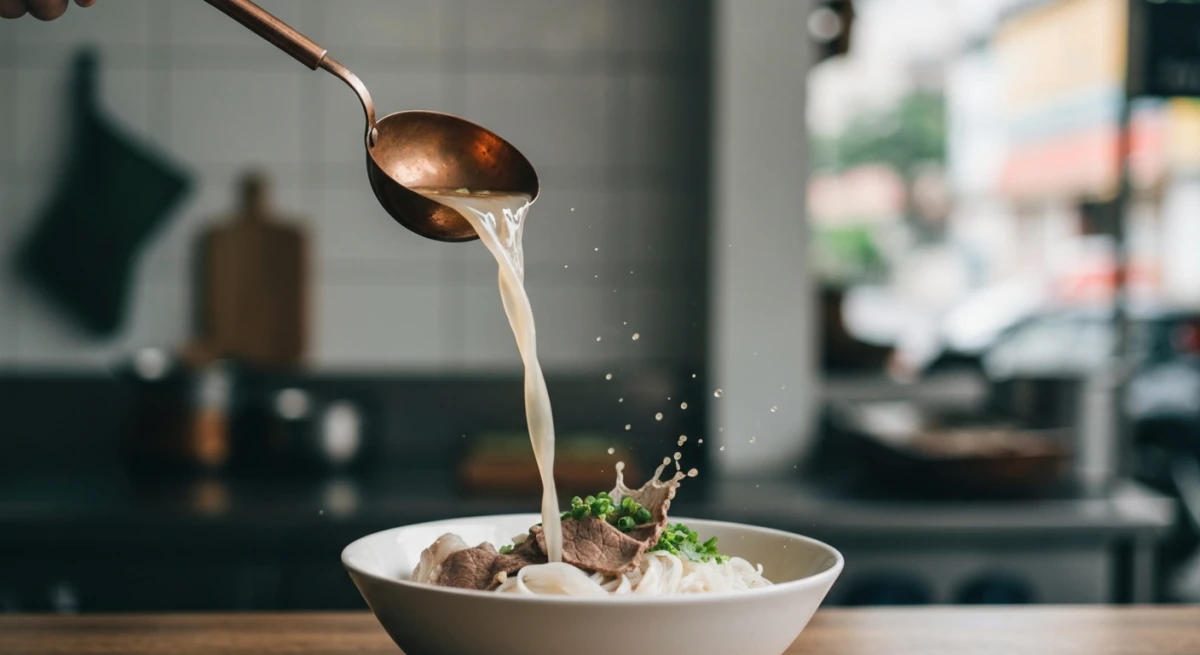
To truly understand the heartbeat of Vietnam's capital, one must dive headfirst into its street food culture. Among the labyrinthine alleys of the Old Quarter and the breezy banks of West Lake, a culinary phenomenon reigns supreme: hanoi rolls. Far from being a single, uniform dish, the term "hanoi rolls" refers to a spectacular trio of rolled delicacies, each showcasing a different side of Vietnamese culinary artistry. Whether you are craving the clean, herbaceous crunch of fresh Pho Cuon (pho rolls), the shatteringly crispy satisfaction of fried Nem Ran (spring rolls), or the silky, melt-in-your-mouth comfort of steamed Banh Cuon (steamed rice rolls), hanoi rolls offer an unparalleled sensory journey.
In this ultimate guide, we will unpack the rich history, cultural significance, and exact step-by-step recipes for these three iconic styles of hanoi rolls. We will also address the common mistakes home cooks make, share the secrets of local culinary masters, and reveal the best street-side stalls in Hanoi to experience them firsthand. Let's master the art of the Vietnamese roll.
1. The Fresh Icon: Pho Cuon (Hanoi Pho Rolls)
If you find yourself wandering around the quiet, leafy peninsula of Ngu Xa near Truc Bach Lake, you will immediately notice dozens of neon signs reading "Pho Cuon." This is the undisputed birthplace of the Hanoi pho roll, a dish that represents the sheer adaptability and playful creativity of Vietnamese cuisine.
The Accidental Origin of Pho Cuon
Legend has it that Pho Cuon was invented on a humid summer night in the early 2000s. A late-night diner wandered into a popular pho stall in Ngu Xa craving a comforting bowl of beef noodle soup. However, the shop had run out of the fragrant beef broth. Unwilling to turn a hungry customer away, the clever cook grabbed uncut sheets of fresh pho noodles (which are typically sliced into the long strands we know so well), filled them with quickly sauteed beef, bundled in fresh herbs, and rolled them up. She served them alongside a bowl of sweetened, garlic-chili fish sauce. The customer was ecstatic. Within weeks, other vendors caught on, and an entire street food empire was born.
Anatomy of a Perfect Pho Cuon
Unlike the southern summer rolls (Goi Cuon), which use dry, rehydrated circular rice paper, Pho Cuon is wrapped in thick, supple sheets of fresh, steamed rice noodles. The filling is delightfully simple yet packed with flavor:
- The Wrap: Fresh, uncut flat noodle sheets (Banh pho tam), which are soft, slightly elastic, and moist.
- The Protein: Thinly sliced beef (thit bo), quickly stir-fried on extremely high heat (wok-hei) with minced garlic and oyster sauce.
- The Herbs: A generous bouquet of fresh coriander (cilantro), Vietnamese mint, Thai basil, perilla leaves (kinh gioi), and crisp butterhead lettuce.
Step-by-Step Pho Cuon Recipe
To recreate the magic of Ngu Xa in your own kitchen, you need to focus on high heat for the beef and delicate handling of the noodle sheets.
Ingredients:
- 500g fresh uncut pho noodle sheets (can be found in Asian markets or made from a steamed rice-starch slurry)
- 300g beef tenderloin or sirloin, sliced paper-thin
- 3 cloves garlic, minced
- 1 tbsp oyster sauce
- 1 tbsp soy sauce
- 1 tsp sesame oil
- A pinch of cracked black pepper
- Fresh herbs: lettuce, cilantro, Vietnamese mint, Thai basil
Instructions:
- Marinate the Beef: Combine the sliced beef with the minced garlic, oyster sauce, soy sauce, sesame oil, and black pepper. Let it marinate for 15-20 minutes at room temperature.
- Flash-Fry the Beef: Heat a wok or heavy-bottomed skillet over high heat until smoking. Add a tablespoon of neutral cooking oil, then toss in the marinated beef. Stir-fry rapidly for 1 to 2 minutes. The goal is to sear the beef quickly so it remains tender and juicy without releasing excess water. Transfer to a plate and let it cool slightly.
- Prepare the Assembly Line: Place a single square sheet of fresh pho noodle on a clean, flat surface. Lay down a leaf of lettuce, followed by small sprigs of coriander, mint, and basil.
- Roll with Precision: Place a few pieces of the warm, garlic-infused beef over the herbs. Fold the bottom edge of the noodle sheet over the filling, tuck in the sides, and roll tightly but gently to form a uniform cylinder. Repeat with the remaining ingredients.
- Serve: Arrange the rolls on a platter and serve immediately with a bowl of classic sweet-and-sour Nuoc Cham dipping sauce.
2. The Crispy Masterpiece: Nem Ran (Hanoi Fried Spring Rolls)
While Southern Vietnam is famous for Cha Gio, the North boasts its own legendary version: Nem Ran. In Hanoi, these fried spring rolls are not merely an appetizer; they are a centerpiece of family gatherings, ancestral worship ceremonies, and celebratory meals during Lunar New Year (Tet).
What Sets Nem Ran Apart?
The main differentiator of the Hanoi-style fried roll lies in the wrapper and the filling texture. While many Westernized spring rolls use thick wheat-flour wrappers, authentic Nem Ran uses ultra-thin, dry Vietnamese rice paper known as Banh da nem. This wrapper hydrates slightly from the moisture of the filling before frying, creating a deeply blistered, shatteringly crispy skin that remains light and airy rather than heavy and greasy.
Furthermore, the filling of Nem Ran is incredibly complex, balancing earthy mushrooms, sweet vegetables, savory pork, and rich duck or chicken eggs that act as a binder.
Step-by-Step Nem Ran Recipe
Making Nem Ran is a labor of love, but the payoff is a roll that is vastly superior to any restaurant appetizer.
Ingredients:
- 300g minced pork (ideally with a 20% fat content for juiciness)
- 100g raw shrimp, peeled, deveined, and finely chopped
- 50g dried glass noodles (mien), soaked in warm water for 15 minutes and cut into 2-inch segments
- 20g dried wood ear mushrooms (moc nhi), rehydrated in hot water, stems removed, and finely minced
- 1 medium carrot, grated and squeezed to remove excess water
- 100g bean sprouts, roughly chopped
- 2 duck or chicken eggs
- 1 tbsp fish sauce
- 1 tsp black pepper
- 1 pack of thin Vietnamese rice paper (Banh da nem)
- Neutral frying oil (such as canola or peanut oil)
Instructions:
- Prepare the Filling: In a large bowl, combine the minced pork, chopped shrimp, chopped glass noodles, minced wood ear mushrooms, grated carrot, and bean sprouts. Crack the eggs into the mixture and add the fish sauce and black pepper. Mix thoroughly with your hands until the ingredients are completely integrated and hold together.
- The Secret Wrapper Trick: To ensure your rolls don't crack and get extra crispy, prepare a mixture of 1 cup water, 1 teaspoon of sugar, and 1 tablespoon of white vinegar. Lightly brush this mixture onto the dry rice paper wrapper before rolling. The sugar caramelizes in the oil to give a beautiful golden color, while the vinegar keeps the wrapper crisp.
- Assemble the Rolls: Place a wrapper on a clean surface. Place 2 tablespoons of filling on the bottom third of the wrapper. Fold the bottom edge over the filling, fold in the left and right sides tightly, and roll upwards. Do not roll too tightly, or the expanding air inside during frying will cause the wrapper to split.
- The Double-Frying Method: This is the ultimate secret of Hanoi street vendors.
- First Fry: Heat oil in a deep pan to 325 degrees F (160 degrees C). Slide the rolls in gently and fry them for 5-7 minutes on medium-low heat until the filling is cooked and the skin is pale gold. Drain on paper towels and let them cool.
- Second Fry: Right before serving, heat the oil to 375 degrees F (190 degrees C). Flash-fry the rolls for 2-3 minutes until they turn a deep, golden brown and become incredibly crispy.
- Serve: Cut each roll into three or four pieces using kitchen shears. Serve alongside fresh herbs (lettuce, mint) and a bowl of warm, mild Nuoc Cham.
3. The Delicate Breakfast: Banh Cuon (Hanoi Steamed Rice Rolls)
Rise early enough in Hanoi, and you will hear the rhythmic clack-clack of metal scrapers hitting giant steamers. This is the sound of Banh Cuon, Hanoi's beloved steamed rice rolls. Light, savory, and comforting, Banh Cuon is the quintessential breakfast of local Hanoians.
The Art of the Steamer
Making Banh Cuon is a highly specialized craft that requires immense skill. The cook spreads a ladleful of fermented rice flour batter over a piece of thin fabric stretched tightly over a large pot of boiling water. A dome-shaped lid is placed over the batter, steaming it in seconds into an incredibly thin, translucent sheet. Using a long, flat bamboo stick, the cook lifts the delicate sheet from the fabric, places it on a greased tray, adds the filling, and rolls it up.
In Hanoi, the most famous variation is Banh Cuon Thanh Tri, which originates from a historic suburb of the city. Traditional Thanh Tri rolls are often served plain (without filling) in paper-thin layers, showcasing the pure quality of the rice flour, topped with a mountain of golden, crispy fried shallots (hanh phi).
How to Recreate Banh Cuon at Home (The Non-Stick Skillet Method)
While most home cooks do not own a professional fabric steamer, you can make a highly respectable version of these Hanoi rolls using a quality non-stick skillet.
Ingredients:
- For the Batter:
- 150g rice flour
- 50g tapioca starch (for elasticity)
- 450ml water
- 1/2 tsp salt
- 1 tbsp neutral cooking oil
- For the Filling:
- 200g minced pork
- 20g dried wood ear mushrooms, rehydrated and finely chopped
- 1 small shallot, minced
- 1 tbsp fish sauce
- A pinch of black pepper
- For Serving:
- Crispy fried shallots (hanh phi)
- Vietnamese ham (Cha lua or Cha que)
- Fresh herbs (cilantro, Thai basil)
Instructions:
- Whisk the Batter: In a bowl, combine the rice flour, tapioca starch, water, salt, and oil. Whisk until perfectly smooth. Let the batter rest for at least 30 minutes (or overnight in the fridge) to hydrate the starches.
- Cook the Filling: Heat a splash of oil in a pan, saute the minced shallot until fragrant, then add the pork and wood ear mushrooms. Season with fish sauce and black pepper. Stir-fry until the pork is cooked through and dry. Set aside.
- Steam the Sheets: Heat a medium non-stick skillet over medium-low heat. Lightly grease the surface with a paper towel dipped in oil. Pour a small ladle of batter into the skillet, quickly swirling it to cover the entire bottom in a paper-thin layer. Cover the skillet with a lid and let it steam for about 45 seconds. The sheet is done when it becomes translucent and bubbles up.
- Transfer and Roll: Gently flip the skillet upside down over a large plate greased with a bit of oil to release the rice sheet.
- Fill and Roll: Place a tablespoon of the pork and mushroom filling in the center of the sheet. Fold the sides inward and roll it up.
- Garnish: Plate the rolls, brush them lightly with shallot oil, and top with a generous handful of crispy fried shallots. Serve warm with sliced Cha lua, fresh herbs, and a specialized warm dipping sauce.
4. Where to Find the Best Hanoi Rolls in Hanoi
If you are traveling to Hanoi, eating these rolls at their source is a non-negotiable culinary pilgrimage. Here are the legendary spots that locals guard closely:
Best Pho Cuon: Ngu Xa Peninsula
To taste Pho Cuon as it was meant to be, head to the Ngu Xa area around Truc Bach Lake. The entire neighborhood is dedicated to this dish.
- Pho Cuon Huong Mai (19 Ngu Xa): Widely considered one of the pioneers of the dish. Their rolls are incredibly fresh, and the beef is perfectly seasoned with a smoky wok flavor. They also serve a fantastic companion dish called Pho Chien Phong (deep-fried crispy pho noodle pillows with beef and gravy).
- Pho Cuon Hung Ben (33 Nguyen Khac Hieu): Another local favorite known for its rich, balanced dipping sauce and bustling, authentic street-side dining atmosphere.
Best Banh Cuon: Traditional Old Quarter Stalls
- Banh Cuon Ba Hoanh (66 To Hien Thanh): Known for serving the classic Thanh Tri style. The rice sheets here are exceptionally thin and silky, served alongside smoky grilled pork (cha nuong) instead of just boiled ham.
- Banh Cuon Gia Truyen Thanh Van (14 Hang Ga): Located in the heart of the Old Quarter, this stall is famous for its diverse fillings. You can order rolls filled with minced pork, chicken, or even shrimp, all prepared right in front of you on giant steam pots.
Best Nem Ran: The Bun Cha Connection
- Bun Cha Huong Lien (24 Le Van Huu): While famous for the "Obama Bun Cha" visit, this restaurant also serves some of the best Nem Cua Be (square sea crab spring rolls) in the city. They are large, packed with fresh crab meat, and fried to absolute perfection.
5. How to Make the Ultimate Vietnamese Dipping Sauce (Nuoc Cham)
No guide to hanoi rolls would be complete without the liquid gold that unites them all: Nuoc Cham. This dipping sauce is the soul of Vietnamese cuisine. It relies on the absolute balance of five flavor profiles: sweet, sour, salty, spicy, and umami.
In Hanoi, the dipping sauce is generally lighter and less sugary than its southern counterpart, with a higher ratio of water to allow the delicate flavors of the fresh herbs and rice paper to shine through.
The Golden Ratio Dipping Sauce Recipe
This recipe yields the classic Hanoian-style dipping sauce that pairs flawlessly with Pho Cuon, Nem Ran, and Banh Cuon.
Ingredients:
- 1 tbsp high-quality Vietnamese fish sauce (look for 35 to 40 degrees N purity)
- 1 tbsp fresh lime juice (or white vinegar)
- 1 tbsp white sugar
- 5 tbsp warm water
- 2 cloves garlic, finely minced
- 1-2 bird's eye chilies, finely sliced
- Optional: Thinly sliced pickled green papaya and carrots for crunch
Instructions:
- Dissolve the Sugar: In a small bowl, combine the warm water and sugar. Stir vigorously until the sugar is completely dissolved.
- Add Acid and Salt: Stir in the fresh lime juice followed by the fish sauce. Taste the mixture. It should be a perfect, harmonious balance of sweet, sour, and salty.
- Introduce the Aromatics: Add the finely minced garlic and sliced chilies. (Mincing the garlic finely allows it to float beautifully on the surface, releasing its oils into the sauce).
- Customize: For Banh Cuon, serve the sauce warm. For Nem Ran, add a few slices of pickled green papaya and carrots into the bowl for an authentic textural contrast.
6. Frequently Asked Questions (FAQ)
Are Hanoi rolls gluten-free?
Both Pho Cuon and Banh Cuon are naturally gluten-free as they are made strictly from rice flour and tapioca starch. However, if you are ordering them at a restaurant, ensure that the soy sauce or oyster sauce used in the beef marinade is gluten-free. Nem Ran is gluten-free if traditional rice paper (Banh da nem) is used. However, be cautious as some modern commercial spring roll wrappers are made from wheat flour.
What is the difference between Pho Cuon and Southern Goi Cuon?
While both are fresh, uncooked rolls, they use completely different wrappers and fillings. Pho Cuon uses fresh, thick, steamed sheets of uncut flat pho noodles and is filled with warm, stir-fried beef and herbs. Goi Cuon (Southern summer rolls) uses thin, dry, rehydrated circular rice paper sheets and is typically filled with cold sliced pork, boiled shrimp, cold rice vermicelli noodles, and chives, served with a rich, sweet peanut dipping sauce or fermented hoisin sauce.
Why do my fried Hanoi rolls (Nem Ran) get soggy after frying?
This is a common issue caused by excess moisture. To prevent soggy rolls:
- Squeeze out all excess water from shredded vegetables (like carrots and bean sprouts) before adding them to the filling.
- Do not use too much egg; the filling should be damp but not wet.
- Always use the double-frying method. The first fry cooks the inside, while the second fry draws out remaining moisture from the wrapper, locking in the crunch.
Can I make the rice noodle sheets for Pho Cuon in advance?
Yes, but they are best stored at room temperature if you plan to use them within a few hours. If refrigerated, the starch in the rice sheets will recrystallize and become stiff and brittle. If you must refrigerate them, cover them tightly in plastic wrap and gently steam them for 1-2 minutes before rolling to restore their soft, pliable texture.
Conclusion: Mastering the Art of the Roll
Exploring the world of hanoi rolls is more than just a culinary experience—it is an entry point into the history, resourcefulness, and flavor-balancing genius of Vietnamese culture. Whether you choose the fresh, garlicky satisfaction of Pho Cuon, the celebration-worthy crunch of Nem Ran, or the delicate, steamed comforting layers of Banh Cuon, you are engaging with a living heritage of street food mastery.
By following these authentic techniques, sourcing high-quality ingredients, and prioritizing the delicate balance of your dipping sauce, you can recreate the iconic tastes of Hanoi right in your own kitchen. Grab your fresh herbs, heat up your wok, and start rolling!