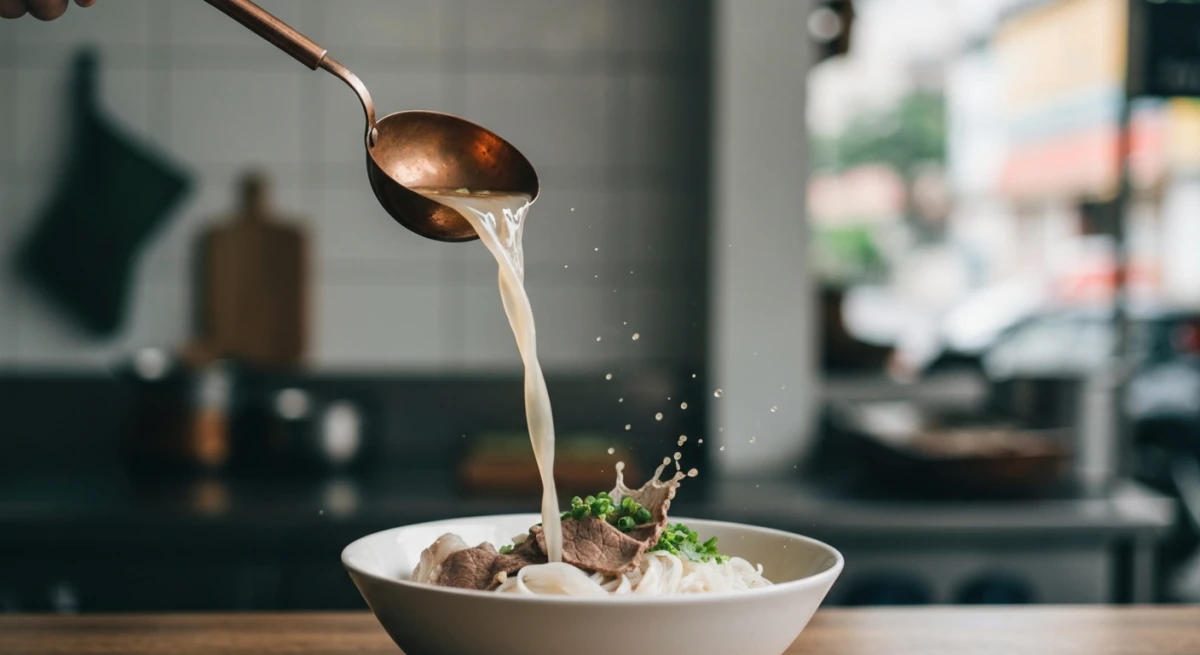
Imagine sitting on the back of a vintage scooter, the warm tropical breeze brushing past your face as you weave through a mesmerizing sea of red taillights. The synchronized hum of thousands of engines fills the air, punctuated by the intoxicating aromas of lemongrass, sizzling pork, and charbroiled bananas. You pull up to a bustling, open-air alleyway where locals sit on knee-high plastic stools, sharing steaming bowls of noodle soup and ice-cold beers under the glow of neon street signs.
This is the magic of a saigon motorbike food tour. For travelers visiting Ho Chi Minh City (still affectionately called Saigon by locals), embarking on this two-wheeled culinary adventure is not just an activity—it is a rite of passage. If you want to bypass the standard tourist traps and experience the authentic, beating heart of southern Vietnamese food culture, booking a street food tour on a scooter is the absolute best decision you can make.
In this comprehensive, up-to-date guide, we will explore why navigating Saigon on two wheels is essential, dive into the iconic street foods you will sample, address safety and hygiene concerns, and help you choose the perfect tour operator for an unforgettable night in Ho Chi Minh City.
Why You Must Experience Saigon on Two Wheels (And Why Walking Won't Cut It)
To truly understand Ho Chi Minh City, you have to understand the motorbike. With a population of over 9 million people and an estimated 7.5 million registered scooters, the city operates on two wheels. The traffic might look like chaotic anarchy to an outsider, but it is actually a beautifully synchronized, flowing ecosystem.
Many first-time visitors make the mistake of attempting to explore Saigon's food scene on foot. While walking works well in compact European cities, HCMC is an entirely different beast. Sidewalks here are rarely empty; they serve as active parking spaces for motorbikes, extended seating areas for street-side cafes, and display spaces for local shops. Pedestrians are routinely forced to walk along the edge of the busy roads, and navigating crosswalks in a river of continuous traffic can be a nerve-wracking ordeal.
Furthermore, relying on walking or taxis severely limits your culinary horizon. The vast majority of standard travel guides point visitors exclusively to District 1—the city’s historical and commercial center. While District 1 is home to gorgeous colonial landmarks like the Saigon Opera House and Notre Dame Cathedral, its food offerings have become increasingly Westernized, upscale, and sanitized.
The real, soul-satisfying culinary gems of Saigon are tucked away in the labyrinthine alleyways (called hẻm) of the outer districts. We are talking about places like:
- District 3: Famous for its leafy, tree-lined streets, historic villas, and bustling local food stalls.
- District 4: Once a gritty port district, it has evolved into a legendary street food paradise where every single street and alley feels like an open-air diner.
- District 10: Home to dense residential blocks, student hangouts, and the city’s largest wholesale flower market.
- District 5 (Cholon): Saigon's historic Chinatown, boasting a rich culinary heritage that fuses traditional Chinese techniques with southern Vietnamese ingredients.
Taxis and ride-hailing cars (like Grab) are frequently trapped in Saigon’s notorious rush-hour gridlock, turning a simple three-kilometer trip into a frustrating forty-minute crawl. A motorbike, however, is nimble. It slips effortlessly through narrow lanes, navigates shortcuts, and allows you to visit four or five entirely different districts in a single four-hour evening.
But beyond the sheer logistics, riding pillion (on the back of a scooter) offers a profound sensory connection. You aren't insulated from the city behind a pane of air-conditioned glass. You feel the temperature drop as you cross the Saigon River, smell the smoke from a roadside charcoal grill before you even see the stall, and hear the lively clinking of glasses and shouts of "Một, hai, ba, dô!" (One, two, three, cheers!) from roadside eateries. You aren't just observing Saigon; you are an active participant in its daily rhythm.
What Does a Typical Saigon Motorbike Food Tour Look Like?
While itineraries vary slightly depending on the operator you choose, the flow of a premier evening street food tour is highly optimized to deliver a perfect blend of high-energy riding, cultural storytelling, and culinary indulgence.
The adventure typically begins around 5:30 PM or 6:00 PM, just as the sun begins to set and the city's neon signs flicker to life. Your private driver-guide will meet you directly in your hotel lobby. These guides are almost always bilingual, highly enthusiastic local university students or professional guides who double as your best friend for the night. They will greet you with an infectious smile, assist you in fitting a sanitized safety helmet, and provide a quick but essential tutorial on how to ride safely on the back of a bike.
Once you hop on, you will experience the heart-pounding thrill of the "First Merge." Entering the flow of Saigon traffic for the first time is an adrenaline rush like no other. However, within minutes, any lingering anxiety melts away as you realize how incredibly skilled, smooth, and gentle your driver is.
Rather than racing from one food stall to the next, a well-curated tour weaves in cultural stops to give you context on how the locals live. A typical evening itinerary often includes:
- The Nguyen Thien Thuat Apartments: Built in 1968, this historic, low-rise residential complex in District 3 was originally constructed to house soldiers and local families. Walking through its narrow walkways gives you a fascinating glimpse into communal living, with family altars, hanging laundry, and ground-floor wet markets unchanged for decades.
- The Ho Thi Ky Flower Market: A breathtaking maze of wet, narrow lanes illuminated by bright overhead lights. Here, millions of fresh blossoms—from orchids and lilies to roses—are delivered nightly from the highland city of Da Lat. Your guide will walk you through the buzzing market, pointing out local snacks and explaining the cultural significance of flowers in Vietnamese ancestral worship.
As you ride between districts, you will make multiple dining stops. Each location is chosen for its specialization in a specific dish. You won't find multi-page menus here; these street-side vendors have spent decades perfecting just one or two family recipes. You will sit on the classic low plastic stools, drink jasmine tea or local beers, and enjoy freshly cooked delicacies while your guide explains the history of the ingredients, how the dish is prepared, and the proper etiquette for eating it.
The Ultimate Street Food Menu: What You’ll Actually Eat
The absolute highlight of any Saigon motorbike food tour is, of course, the food. Southern Vietnamese cuisine is characterized by its bold use of fresh herbs, coconut milk, palm sugar, and a delicate balance of sweet, sour, salty, and spicy elements. Here is a breakdown of the iconic street foods you are likely to sample:
Bánh Xèo & Bánh Khọt (Sizzling Crispy Pancakes)
Your culinary journey often begins with these masterclasses in texture. Bánh Xèo (literally "sizzling cake") is a giant, paper-thin crepe made from a batter of rice flour, water, turmeric powder, and coconut milk. When poured onto a blistering hot, oiled pan, it makes a dramatic sizzling sound. It is filled with pork belly, fresh shrimp, mung beans, and a handful of crisp bean sprouts.
Bánh Khọt are the bite-sized cousins, cooked in special cast-iron dimpled trays. They are crispy on the outside, soft and custard-like on the inside, and topped with minced pork, scallion oil, and a single juicy prawn.
The magic is in how you eat them. Your guide will show you how to tear off a piece of the pancake, place it inside a large, peppery mustard green leaf or lettuce leaf, pack it with fresh herbs like Thai basil, mint, and perilla, roll it tightly, and plunge it into nước chấm—the ubiquitous sweet-and-sour dipping sauce made from fish sauce, lime juice, sugar, garlic, and chili. It is a perfect explosion of crispy, herbal, sweet, and savory notes.
Bún Bò Huế (Lemongrass Beef Noodle Soup)
While northern Phở gets all the international fame, locals in Ho Chi Minh City are fiercely passionate about Bún Bò Huế, a robust noodle soup originating from the imperial city of Huế in Central Vietnam. The broth is a labor of love, simmered for hours with beef bones, pork knuckles, lemongrass, and fermented shrimp paste (mắm ruốc), which adds a deep, savory umami undertone.
Served with thick, cylindrical rice noodles, tender slices of beef shank, cubes of congealed pig's blood (optional, but highly authentic!), and a mountain of shredded banana blossoms and fresh herbs, this soup is spicy, citrusy, and deeply comforting.
Bánh Tráng Nướng (Vietnamese Street Pizza)
Originating from the cool mountain town of Da Lat but embraced wholeheartedly by Saigon’s youth, this dish is a staple of night markets. A sheet of circular dry rice paper is placed directly over hot charcoal. The vendor quickly brushes it with butter, scallion oil, and a splash of whipped quail eggs. Toppings like minced pork, dried tiny shrimp, and scallions are added. As the rice paper crisps up, it is finished with a drizzle of sweet chili sauce and creamy mayonnaise, then folded in half. It is smoky, crunchy, sweet, and creamy—the ultimate late-night comfort snack.
Chuối Nếp Nướng (Grilled Banana Wrapped in Sticky Rice)
No food tour is complete without tasting Saigon's incredible desserts. Chuối Nếp Nướng features sweet porcelain bananas coated in a thick layer of sweet, pandan-infused glutinous sticky rice. The entire parcel is wrapped in banana leaves and grilled over hot coals. The leaves char, imparting a smoky aroma while the sticky rice becomes incredibly crispy and caramelized on the outside, remaining soft and sweet on the inside. The grilled banana is sliced into bite-sized pieces and served in a bowl drowned in warm, rich coconut milk sauce with tapioca pearls and a generous dusting of toasted sesame seeds.
Ốc (Street Snails and Shellfish)
Eating Ốc (snails) is a social institution in Saigon. Groups of friends gather late at night around metal tables to feast on an endless variety of shellfish. On a food tour, you might try mud creepers cooked in a sweet, rich coconut cream sauce, clams steamed with fragrant lemongrass and pineapple, or sea snails sautéed in garlic butter and chili. Getting the snail meat out with a tiny safety pin and dipping it into a spicy ginger fish sauce, while sipping a cold beer, is the quintessential Saigon night-out experience.
Safety, Hygiene, and Anxiety: Addressing Your Biggest Fears
It is completely normal to feel a bit of apprehension before booking a motorbike food tour. Saigon’s traffic can look terrifying, and everyone has heard horror stories about food poisoning while traveling in Southeast Asia. Let's address these concerns head-on with realistic, practical insights.
Navigating Saigon Traffic as a Pillion Passenger
First and foremost, remember that you are not driving the motorbike. You will be riding on the back of a bike driven by an experienced local guide. These drivers have lived and rode in Saigon for years; they understand the unwritten rules of the road. What looks like chaos to a tourist is actually a highly predictable flow where drivers communicate through spatial awareness and minor speed adjustments rather than aggressive horn-honking.
To ensure a smooth, comfortable ride, keep these passenger rules in mind:
- Mounting the bike: Always board from the left side (away from the hot exhaust pipe on the right). Place your left foot on the footpeg, hold your driver's shoulder for balance, and swing your right leg over.
- Postulate and posture: Sit comfortably and keep your knees tucked in close to the bike's frame. Avoid splaying your knees outward.
- Where to hold: You can hold onto the metal grab bar located behind your seat, or gently hold the sides of your driver's waist or shoulders if you feel you need extra stability.
- Relax and lean: Do not try to fight the bike's movement or lean in the opposite direction during turns. Simply keep your body relaxed and let yourself lean naturally with the driver.
- Foot placement: Keep your feet firmly planted on the passenger footpegs at all times, even when the bike comes to a temporary stop. This helps the driver maintain balance.
Hygiene: How Tours Prevent "Saigon Belly"
Food safety is a top priority for professional tour operators. Their businesses rely entirely on positive reviews and word-of-mouth recommendations, meaning they cannot afford to let their guests get sick.
Tours mitigate food hygiene risks in several ways:
- Rigorous Vendor Selection: Tour companies do not pick random street stalls. They partner with vendors who have established, multi-generational reputations for quality and cleanliness.
- High Turnover: The stalls you visit are exceptionally popular. Ingredients do not sit around in the warm air; they are delivered fresh daily and cooked rapidly at extremely high temperatures right in front of you.
- Clean Water and Ice: Travelers often worry about the water used in ice. In Ho Chi Minh City, virtually all ice used in commercial beverage stalls is purchased from purified ice factories. You can easily spot safe, factory-made ice by its clean, uniform cylindrical shape with a hollow center. Avoid shaved ice from solid blocks, but rest assured that standard tube ice in your iced tea or beer is perfectly safe.
Weather: Managing the Tropical Downpours
Saigon has a tropical climate split into two distinct seasons: the dry season (December to April) and the wet season (May to November). During the wet season, sudden, heavy downpours are common, usually occurring in the late afternoon or early evening.
Do not let rain cancel your plans! Vietnamese people do not stop their lives for rain; they simply pull over, slip on a colorful plastic poncho, and keep riding. Tour operators provide high-quality, reusable rain ponchos for all guests. Riding through a warm tropical shower, seeing the neon lights reflect off the wet asphalt, is widely considered by travelers to be one of the most memorable, atmospheric portions of the tour.
How to Choose the Best Saigon Motorbike Food Tour for Your Style
The popularity of motorbike food tours in HCMC has led to a highly competitive market. While this means high standards overall, it also means you need to choose the specific style of tour that matches your travel preferences.
All-Female / Female-Led Tours (e.g., XO Tours, KissTour)
XO Tours was the absolute pioneer of the female-led motorbike tour concept in Vietnam. These companies employ local female university students, providing them with safe, well-paying jobs, driving training, and opportunities to practice English.
- The Vibe: Highly professional, empowering, and culturally immersive. The drivers often wear traditional, colorful Ao Dai tunics over trousers (or branded high-visibility gear).
- Best For: Solo female travelers, families, and anyone seeking an exceptionally high safety standard paired with warm, bubbly hospitality and deep cultural conversations.
Local Student-Led and Social Enterprise Tours
Several operators run tours led entirely by local university students who use the tour fees to fund their education.
- The Vibe: Highly energetic, raw, informal, and budget-friendly. It feels less like a structured commercial tour and more like hanging out with local friends who want to show you their favorite after-hours spots.
- Best For: Budget travelers, backpackers, and younger tourists looking for casual, peer-to-peer cultural exchanges.
Specialty Seafood, Beer, or Luxury Tours
If you are looking for something beyond standard street food, several operators offer specialized, premium itineraries. These can include upscale seafood tasting menus, vintage Vespa tours, or crawls that combine traditional street eats with stops at HCMC's world-class craft beer breweries.
- The Vibe: Premium, trendy, and indulgent.
- Best For: Serious foodies, beer lovers, and travelers celebrating a special occasion who want a highly tailored, slightly more comfortable experience.
Private vs. Group Tours
While joining a group tour is a fantastic way to meet fellow travelers, booking a private tour is highly recommended if:
- You have severe food allergies or strict dietary restrictions (such as being strictly vegan, vegetarian, or gluten-free). A private tour allows the operator to customize every single stop and dish to suit your needs.
- You are traveling with young children or elderly family members and want to set your own pace.
Essential Prep Tips for Your Culinary Adventure
To maximize your enjoyment and ensure everything runs smoothly, follow these quick, practical preparation steps before your driver arrives:
- Pace Yourself (Do Not Eat Lunch!): It cannot be overstated: you will consume an immense amount of food. A typical tour includes anywhere from 7 to 11 different dishes, snacks, and drinks. Eat a very light breakfast, and skip lunch entirely. You will need every inch of stomach capacity.
- Dress Appropriately: Leave the skirts, dresses, and loose-fitting garments at your hotel. You will be straddling a motorbike, so wear comfortable trousers, jeans, or shorts. Choose lightweight, breathable fabrics.
- Footwear Matters: Opt for closed-toe shoes (like sneakers) rather than flip-flops or sandals. This protects your feet from potential road debris and makes mounting and dismounting the bike much easier.
- Secure Your Valuables: Saigon is generally a very safe city for travelers, but opportunistic petty crime—specifically phone and bag snatching from passing motorbikes—does occur. Keep your phone secured with a wrist strap when taking photos on the road, and wear any crossbody bags across your front, tucked under your arm or rain poncho. Avoid wearing flashy, expensive jewelry.
- Inform Your Guide of Food Preferences: Do not be shy! If you are hesitant about eating exotic meats, offal, or specific seafood, tell your guide at the very beginning of the tour. They will happily swap out dishes to ensure you are comfortable.
- Tipping Etiquette: Tipping is not deeply embedded in traditional Vietnamese culture, but it has become standard practice in the tourism industry. If your driver kept you safe, entertained you with great stories, and ensured you had an incredible night, a tip of 100,000 to 200,000 VND (roughly $4 to $8 USD) is a generous and deeply appreciated gesture.
Frequently Asked Questions (FAQ)
Is a Saigon motorbike food tour safe for older travelers or young children?
Yes, absolutely. Professional tour operators are highly experienced in catering to guests of all ages. For older travelers, drivers are trained to ride at a slower, incredibly gentle pace. For young children, many operators have specialized setups where the child can sit securely between an adult passenger and the driver, or be paired with their most experienced, cautious rider. Always communicate your age and comfort level to the operator when booking.
Can vegetarians, vegans, or those with gluten-free diets join the tour?
Yes! While traditional Vietnamese street food features a lot of fish sauce and pork broth, Saigon has an incredibly vibrant Buddhist vegetarian (ăn chay) culture. Most reputable tour companies can easily accommodate vegetarians and vegans by taking them to specialized Buddhist stalls. Gluten-free travelers can also be accommodated easily, as many Vietnamese dishes rely on rice-based noodles and papers rather than wheat. Be sure to notify the company of your dietary needs at the time of booking.
Do I need to know how to ride a motorbike or have a license?
No. You do not need any riding experience, and you will not be operating the vehicle. You are strictly a passenger. Your local guide will handle all the driving, navigating, and parking.
What happens if it rains during the tour?
The tour will proceed! Saigon’s tropical rains are warm and usually short-lived. Your tour operator will provide high-quality rain ponchos, and your driver will adjust their riding style to ensure safety on wet roads. Many travelers find riding through the rain to be one of the most exciting and authentic parts of the experience.
What should I bring with me on the tour?
Bring a camera or smartphone (with a secure wrist strap), a small bottle of hand sanitizer (though most guides carry this), a small amount of cash for tips or extra drinks, and an empty stomach! Avoid bringing large backpacks or heavy bags, as they can make riding on the back of the bike uncomfortable for both you and your driver.
Conclusion
A Saigon motorbike food tour is far more than just a culinary checklist of famous dishes; it is a direct portal into the warmth, energy, and daily life of Ho Chi Minh City. By stepping out of the air-conditioned tourist bubble of District 1 and mounting the back of a scooter, you are choosing to experience Vietnam exactly as the locals do—with grit, flavor, and a sense of shared adventure.
From the sweet, smoky crunch of Bánh Tráng Nướng in a bustling night market to the exhilarating rush of zipping through the neon-lit avenues, this experience will undoubtedly be the highlight of your trip to Vietnam. Book your tour, put on your helmet, trust your driver, and get ready to taste the real Saigon.