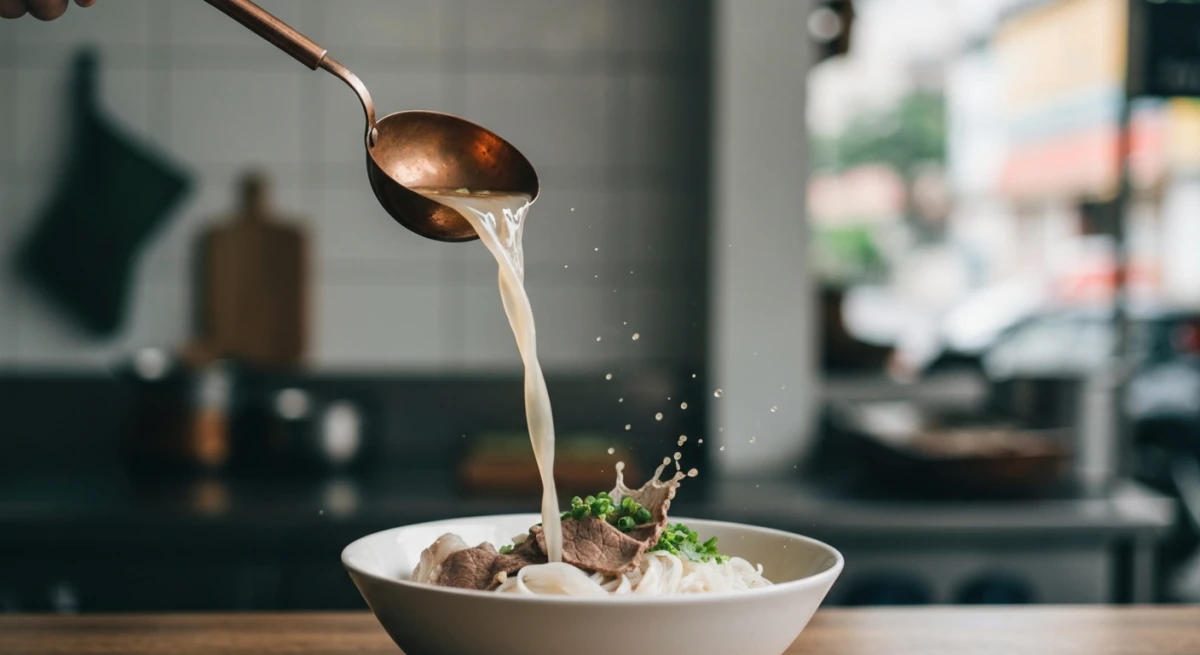
The rhythmic clattering of metal spatulas on heavy iron skillets, the sweet, smoky aroma of pork belly caramelizing over active charcoal, and the dizzying ballet of a thousand motorbikes navigating past low-slung, colorful plastic stools. This is not just a dining scene; this is the living, breathing kitchen of Vietnam's most energetic metropolis. If you want to truly understand Saigon, you have to eat your way through it. The street food Ho Chi Minh city serves up is world-renowned, and for good reason: it is complex, unapologetic, and incredibly accessible.
For first-time visitors, the sheer scale of the street food scene in Ho Chi Minh City can feel overwhelming. Sidewalks are crammed with bubbling cauldrons of aromatic broth, display cases stacked with crispy baguettes, and displays of exotic snails resting on beds of ice. How do you separate the tourist traps from the genuine local legends? This comprehensive guide will take you far beyond the surface, mapping out the iconic dishes, the exact locations of the city's best culinary masters, the neighborhoods you must explore, and the unspoken rules of street dining etiquette.
The Anatomy of Saigon's Street Food Scene
To appreciate the street food Ho Chi Minh has perfected, one must first understand its culinary geography. Unlike Hanoi's classic, delicate, and salt-forward dishes, Saigon's street food is a kaleidoscope of bold, unrestrained flavors. It leans sweeter, heavily relies on dynamic fresh herbs, and showcases a brilliant cross-pollination of cultures.
Here, the culinary influence of Southern agricultural abundance meets historical waves of migration. You will taste the deep umami of Chinese stir-fries, the rich lemongrass and coconut profiles of Khmer cooking, and the lingering French legacy found in the city's flaky baguettes and velvety pâtés.
Street food in Ho Chi Minh is also deeply social. It centers around "nhậu" culture—the act of gathering with friends over small plates of seafood and ice-cold beers late into the night. It is a democratic dining experience where corporate executives in tailored suits sit knee-to-knee on tiny plastic stools with local construction workers, all sharing the same plate of sizzling snails. To eat on the streets here is to participate in the ultimate equalizer of Saigonese life.
8 Iconic Street Food Dishes (And Exactly Where to Eat Them)
If you are planning your culinary itinerary, these eight dishes represent the absolute pinnacle of street food Ho Chi Minh has to offer. Skip the generic hotel buffets and seek out these legendary vendors.
- Bánh Mì (Vietnamese Baguette) The undisputed icon of Vietnamese street food, the bánh mì is a masterclass in contrasting textures and temperatures. A warm, incredibly light and crispy French-style baguette is sliced open and smeared with rich pork liver pâté, mayonnaise, and then layered with various cold cuts (chả lụa), headcheese, roasted pork, pickled daikon and carrots, cucumber, fresh cilantro, and a fiery kick of fresh bird's eye chili.
- Where to eat it (The Heavy Hitter): Bánh Mì Huỳnh Hoa (26 Lê Thị Riêng, District 1). Known locally as the "monster" bánh mì, this legendary spot serves a sandwich so packed with layers of meat and pâté that it easily feeds two people. It is expensive by local standards but absolutely worth the queue.
- Where to eat it (The Local Balance): Bánh Mì Hồng Hoa (62 Nguyễn Văn Tráng, District 1). If you prefer a lighter, more balanced sandwich with an incredibly airy crust and perfectly proportioned fillings, this local favorite is unmatched.
- Hủ Tiếu Nam Vang (Phnom Penh Noodle Soup) While phở gets all the international glory, hủ tiếu is the true king of the Southern breakfast and late-night noodle scene. Originating in Cambodia (Nam Vang is the Vietnamese name for Phnom Penh) and refined by Chinese merchants, this dish features a clear pork bone broth simmered for hours. It is laden with chewy tapioca noodles, minced pork, whole prawns, quail eggs, and slices of pork liver. It can be ordered "nước" (with the soup) or "khô" (dry, where the noodles are tossed in a rich, sweet soy-based glaze and the broth is served in a separate bowl on the side).
- Where to eat it: Hủ Tiếu Thanh Xuân (62 Tôn Thất Thiệp, District 1). Serving hungry locals since 1946, this historic alleyway spot is famous for its dry version, which is topped with a secret, deeply savory crab-based sauce.
- Bột Chiên (Fried Rice Cakes) Bột chiên is Saigon's ultimate late-night comfort food. Thick rice flour cubes are pan-fried on a massive flat iron skillet until the exterior is shatteringly crisp while the interior remains soft and chewy. The vendor then cracks eggs directly over the sizzling cubes to bind them together, throwing in a handful of fresh scallions. It is served with a tangy, sweet-and-savory soy dipping sauce and a mountain of crunchy shredded green papaya to cut through the richness.
- Where to eat it: Bột Chiên Đạt Thành (277 Võ Văn Tần, District 3). A legendary institution in District 3, this spot serves perfectly crisp bột chiên alongside excellent papaya salad in a lively, fast-paced environment.
- Ốc (Street Snails and Shellfish) You have not truly experienced street food Ho Chi Minh style until you have spent an evening picking snails out of their shells. The term "ốc" refers broadly to an endless variety of sweet and saltwater snails, clams, scallops, and crabs. They are prepared in dozens of different styles: stir-fried with rich garlic butter, simmered in a sweet lemongrass broth, roasted with a spicy chili-salt crust, or smothered in a rich salted egg yolk sauce.
- Where to eat it: Ốc Đào (212B/D28 Nguyễn Trãi, District 1). Tucked deep down a maze of residential alleyways, this bustling open-air restaurant offers an enormous menu of fresh shellfish, cooked to absolute perfection. Be sure to order bread (bánh mì) to dip in the garlic butter sauces.
- Bún Thịt Nướng (Grilled Pork over Vermicelli) For a refreshing yet incredibly satisfying lunch, nothing beats bún thịt nướng. This dish consists of a bed of cool rice vermicelli noodles, topped with warm, caramelized lemongrass-grilled pork, crispy fried spring rolls (chả giò), a heap of fresh herbs (mint, perilla, basil, and lettuce), pickled vegetables, crushed roasted peanuts, and a drizzle of green scallion oil. You pour a generous amount of sweet, garlicky fish sauce (nước chấm) over the entire bowl, mix, and dive in.
- Where to eat it: Bún Thịt Nướng Chả Giò Số 1 (1 Nguyễn Trung Trực, District 1). Located on a bustling sidewalk just steps from Ben Thanh Market, this frantic stall serves up exceptionally smoky pork grilled right on the street corner.
- Cơm Tấm (Broken Rice) Historically a peasant dish made from fractured, unsellable rice grains, cơm tấm is now Saigon's most beloved comfort meal. The broken grains absorb flavors beautifully and are topped with a sweet-and-savory marinated pork chop grilled over hot coals (sườn), a steamed egg-and-meat meatloaf (chả trứng), shredded pork skin tossed in toasted rice powder (bì), and a fried egg with a runny yolk. A generous splash of scallion oil and sweet chili fish sauce ties this masterpiece together.
- Where to eat it: Cơm Tấm Nguyễn Văn Cừ (74 Nguyễn Văn Cừ, District 1). This is widely considered the holy grail of broken rice in Saigon. The pork chop here is cut incredibly thick, marinated in a secret glaze, and grilled to smoky, juicy perfection. It is premium-priced, but the flavor is legendary.
- Bánh Xèo & Bánh Khọt (Sizzling Savory Crepes) Bánh xèo translates to "sizzling cake," named after the sound the rice flour, turmeric, and coconut milk batter makes when it hits a blazing-hot pan. It is stuffed with pork belly, shrimp, and bean sprouts. Bánh khọt are mini, bite-sized versions cooked in specialized cast-iron molds. To eat them, tear off a piece of the crispy crepe, wrap it inside a large mustard leaf or lettuce leaf along with fresh herbs, roll it up, and dip it deep into sweet fish sauce.
- Where to eat it: Bánh Xèo 46A (46A Đinh Công Tráng, District 1). A historic, open-air spot where you can watch the chefs masterfully swirl giant crepes over roaring charcoal stoves.
- Bánh Tráng Nướng (Vietnamese Pizza) A modern favorite of Saigon's younger generation, bánh tráng nướng starts with a sheet of dry rice paper placed directly over a charcoal grill. The vendor paints it with quail egg, green scallions, minced pork, dried shrimp, and a drizzle of sriracha and mayonnaise. The rice paper crisps up beautifully, creating a smoky, crunchy, savory snack that is folded in half and eaten on the go.
- Where to eat it: Hồ Thị Kỷ Food Street (District 10). This lively night market alleyway is packed with vendors grilling these "pizzas" to order.
The Neighborhood Hubs: Where to Find the Best Street Food Streets
While you can find exceptional food on almost every corner in District 1, the true soul of Saigon's culinary scene lies in the surrounding districts. To escape the tourist crowds and experience authentic street food Ho Chi Minh style, head to these dedicated culinary corridors:
District 10: Hồ Thị Kỷ Food Street
During the day, Hồ Thị Kỷ is the city's largest wholesale flower market, filled with the fragrance of fresh lilies and roses. But as the sun sets, the narrow, parallel residential alleyways transform into a neon-lit street food paradise. With over a hundred stalls packed shoulder-to-shoulder, this market is exceptionally popular with local students. Here, you can sample everything from Cambodian-style grilled beef skewers and coconut-grilled bananas to spicy peach teas and Taiwanese-style shaved ice. It is chaotic, vibrant, and incredibly budget-friendly.
District 4: Vĩnh Khánh Street
If you want to experience the sensory overload of Saigon's "nhậu" (drinking and eating) culture, make a pilgrimage to Vĩnh Khánh Street. This long, energetic avenue running through District 4 is the undisputed epicentre of street snails and seafood. As night falls, the sidewalks are covered in low metal tables. The air is thick with charcoal smoke, the sound of clinking beer glasses ("Một, Hai, Ba, Dô!"), and music from street performers. Order a variety of plates of snails, a whole grilled fish, and several ice-cold local beers.
District 3: Bàn Cờ Market
Tucked away in the dense, residential heart of District 3, Bàn Cờ Market is a maze of narrow wet-market alleys that offer an authentic glimpse into local morning life. It is home to some of the oldest noodle stalls in the city. Navigating the tight alleys reveals vendors serving up steaming bowls of bún riêu (crab tomato noodle soup), rich bún bò Huế (spicy beef noodle soup), and sweet southern desserts. It is best visited between 7:00 AM and 11:00 AM.
Phú Nhuận: Vạn Kiếp Street
Bridging the gap between District 1 and Bình Thạnh District, Vạn Kiếp Street is a bustling, multi-lane food street that remains largely unvisited by international tourists. The variety of food here is staggering. Within a single stretch of road, you will find top-tier bánh canh cua (thick crab noodle soup), sizzling plates of bánh xèo, specialized duck noodle soups, and refreshing coconut ice creams served directly in coconut shells.
Street Food Etiquette: How to Eat Like a Saigonese Local
Eating on the street in Ho Chi Minh City has its own rhythm and unspoken social rules. To navigate the stalls with confidence, keep these practical tips in mind:
- Just Sit Down: Do not wait at the entrance of a street stall to be greeted and seated by a host. If you see an empty plastic stool, walk straight over, sit down, and make eye contact with the vendor.
- Master the Condiment Tray: Every street food table is equipped with a tray containing limes, fresh bird's eye chilies, chili paste, sweet soy sauce, garlic vinegar, and fish sauce. Saigonese vendors do not expect you to eat the dish exactly as served; you are encouraged to adjust the flavor profile (sweet, sour, salty, spicy) to your personal liking.
- Embrace the "Trà Đá": At almost every street stall, you will be offered or can order "trà đá" (iced jasmine tea). Costing mere pennies, this light, refreshing tea is the ultimate companion to street food. It cleanses the palate, cuts through grease, and keeps you hydrated in the tropical heat.
- Mind the Tissues: In traditional, high-turnover street stalls, it is customary to toss used paper napkins, lime wedges, and wooden chopsticks directly onto the floor beneath your table. The staff sweep the entire floor clean during lulls and at the end of the night. While it may feel counterintuitive to Western travelers, it is the standard practice.
Safe Eating: Myth-Busting and Practical Hygiene Tips
A common fear among travelers is "Saigon belly." While food safety should always be top of mind, you do not need to avoid street food to stay healthy. In fact, street food is often fresher than restaurant food because of the incredibly high turnover of ingredients. Follow these realistic guidelines to eat safely:
- The Ice Question: Many travel blogs warn you to never consume ice in Vietnam. This is outdated advice. Almost all ice used in Ho Chi Minh City's food stalls is commercially produced in modern factories ("đá bi"). This ice is shaped like cylinders with a hole through the middle, made from purified water, and is perfectly safe. Avoid crushed ice shaved from large, manual blocks, which can sometimes be contaminated during transport.
- Follow the Motorbikes: The absolute best indicator of a safe, high-quality street food stall is a crowd of locals, especially those who park their motorbikes directly in front of the stall to order takeout. High local demand means ingredients are bought fresh daily and never sit around.
- Look for Specialized Menus: Avoid street stalls that try to cook everything. The best vendors in Ho Chi Minh City are specialists who have spent decades perfecting just one or two dishes. A vendor who only sells Bún Thịt Nướng is far more likely to have fresh, high-quality ingredients than a stall with a twenty-page menu.
- Keep It Hot: If you have an exceptionally sensitive stomach, stick to boiled noodle soups (like hủ tiếu or phở) and dishes cooked fresh to order in front of you (like sizzling bánh xèo or hot bột chiên). The high cooking temperatures sterilize the food, making them incredibly safe choices.
FAQ: Street Food Ho Chi Minh
Is street food in Ho Chi Minh City safe for children? Yes, street food can be safe for families with children. Stick to highly popular, clean stalls with high local turnover. Dishes like bánh mì (without chili), bột chiên, and clear noodle soups are generally very palatable and safe for children.
How much does a typical street food meal cost? Street food in Saigon is exceptionally budget-friendly. A standard dish (such as a bowl of noodle soup or a plate of broken rice) typically costs between 30,000 VND and 80,000 VND ($1.20 to $3.20 USD). High-end specialty items, like fresh seafood or premium broken rice pork chops, can range from 100,000 VND to 250,000 VND ($4.00 to $10.00 USD).
How do I find vegetarian street food in Saigon? Vietnam has a massive Buddhist population, which means outstanding vegetarian street food is highly accessible. Look for the word "Chay" on signs (e.g., "Quán Chay" or "Cơm Chay"). These stalls serve entirely plant-based versions of classic street foods, utilizing clever tofu, mushroom, and gluten-based meat substitutes.
What are the best hours to go street food hunting? Street food operates on a strict schedule. Breakfast stalls serving phở, hủ tiếu, and cơm tấm open early around 6:00 AM and pack up by 10:00 AM. Evening night markets and street food corridors (like Vĩnh Khánh or Hồ Thị Kỷ) start setting up around 4:00 PM and remain highly active until 11:00 PM or midnight.
Do I need to book a street food tour? While you can easily explore the street food scene on your own using this guide, booking a street food tour on the back of a motorbike is highly recommended for first-time visitors. Local guides can safely navigate Saigon's chaotic traffic, take you deep into non-touristy alleys, and explain the cultural stories behind each bite.
Conclusion
The street food Ho Chi Minh city serves daily is far more than just a cheap meal; it is the ultimate expression of the city's identity, history, and communal spirit. Do not let the chaotic traffic or the unfamiliarity of the alleyways hold you back. Step out of your comfort zone, pull up a tiny plastic stool, order an ice-cold trà đá, and let the incredible flavors of Saigon redefine your understanding of great food. Your culinary adventure of a lifetime is just a street corner away.