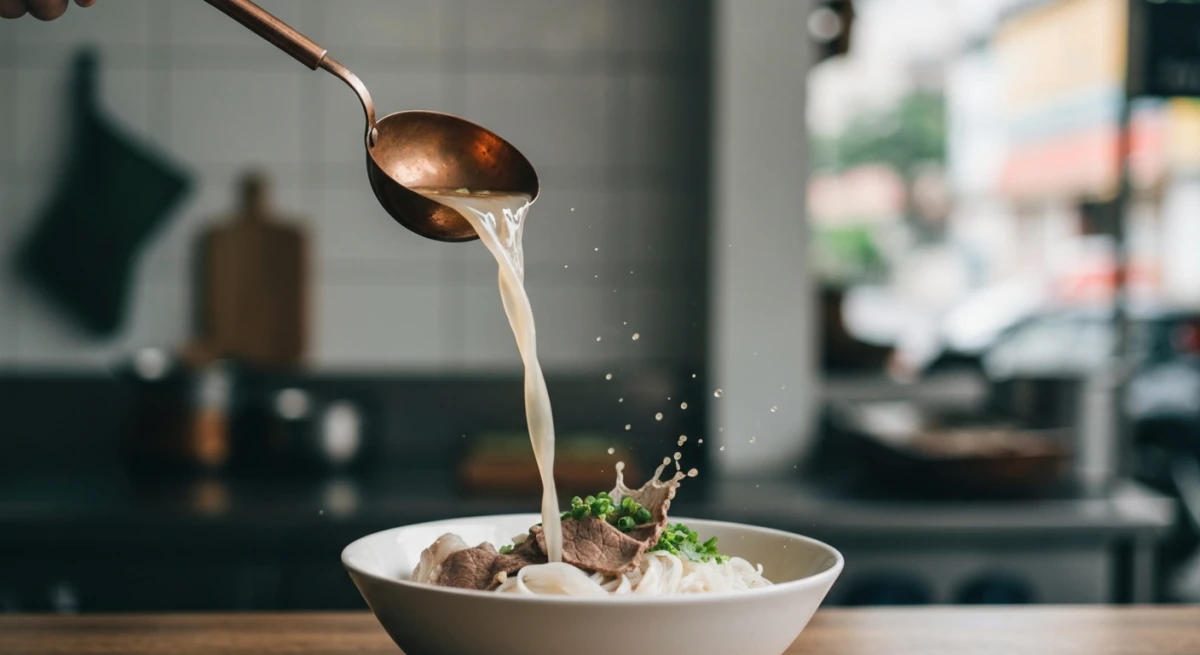
When night falls over Ho Chi Minh City, the southern metropolis undergoes a magical transformation. The air cools slightly, the neon signs flicker to life, and the aroma of lemongrass, sizzling pork, and rich bone broth begins to drift through the alleyways. To truly understand Saigon, you must get down on its level—specifically, about twelve inches off the ground, perched on a tiny, brightly colored plastic stool on a bustling sidewalk. Taking a ho chi minh city street food tour is not just a culinary activity; it is a rite of passage for any traveler visiting Vietnam.
Saigon's street food culture is an intoxicating mix of history, geography, and pure sensory overload. From the French-influenced baguettes of banh mi to the complex, herb-laden noodle soups of the Mekong Delta, every dish tells a story of migration, adaptation, and local ingenuity. Whether you choose to weave through the chaotic traffic on the back of a motorbike driven by a local guide or explore the hidden alleyways (hem) on foot, this guide will provide you with the ultimate roadmap to mastering the street food scene in Ho Chi Minh City.
Motorbike vs. Walking: Choosing Your Perfect Ho Chi Minh City Street Food Tour
When booking a ho chi minh city street food tour, the first and most critical decision you will make is how you want to get around. The two primary options are riding pillion on a motorbike or joining a walking tour. Each offers a completely different perspective of the city.
The Motorbike Food Tour: The Ultimate Saigon Adventure
There is nothing quite like the exhilaration of riding on the back of a scooter in Ho Chi Minh City. Motorbikes are the lifeblood of Saigon's transport network; they are how locals commute, socialize, and transport everything from giant blocks of ice to family pets.
On a motorbike food tour, you are paired with a licensed, English-speaking driver (often university students who are eager to share their culture). You will zip through the city's chaotic traffic, navigating roundabouts and narrow corridors with practiced ease. The primary benefit of a motorbike tour is geographic reach. In a single evening, you can easily visit four or five different districts, tasting the distinct culinary specialties of each. It is fast-paced, highly exciting, and incredibly fun. Reputable operators provide high-quality helmets, comprehensive insurance, and highly trained drivers, making it far safer than it initially looks to an outsider.
The Walking Food Tour: A Slower, Intimate Look at Local Alleys
If the thought of navigating Saigon's legendary traffic on two wheels makes your palms sweat, a walking food tour is an excellent alternative. While you will not cover as much physical ground, walking allows you to slow down and observe details you would completely miss from a moving vehicle.
Walking tours typically focus on a single, high-density neighborhood, such as District 3 or District 10. You will wander through deep, labyrinthine residential alleys (hem) where cars cannot fit, watching local life unfold on doorsteps. You will see grandmothers playing cards, children kicking soccer balls, and vendors prepping fresh herbs. It is a highly intimate, respectful, and peaceful way to experience the local culture, making it ideal for families with small children, older travelers, or those who prefer a relaxed pace.
Private vs. Group Tours
Another factor to consider is whether to book a private tour or a small group tour. Group tours (usually capped at 8 to 10 people) are highly social, budget-friendly, and a fantastic way to meet fellow travelers. Private tours, on the other hand, offer unparalleled flexibility. If you have specific dietary restrictions (such as gluten intolerances, shellfish allergies, or a vegetarian lifestyle), a private tour allows your guide to customize the menu specifically for you, ensuring you do not miss out on the magic of Saigon's food scene.
The Street Food Map: Demystifying Saigon's Culinary Districts
Ho Chi Minh City is a sprawling megalopolis divided into 16 numbered districts and several named districts. When it comes to street food, not all districts are created equal. To find the most authentic, high-quality, and reasonably priced stalls, you must venture beyond the immediate tourist center of District 1.
District 1: The Gateway to Street Eats
While District 1 is the commercial and tourist heart of the city—home to high-end hotels, boutiques, and historic landmarks—it still holds onto its street food roots. However, the scene here is slightly more polished and expensive. If you are staying in District 1, you can find legendary spots like Banh Mi Huynh Hoa (famous for its massive, meat-heavy sandwiches) or the street vendors operating around the Ben Thanh Market area. While convenient for your first night in the city, District 1's street food is often adapted slightly to Western palates and lacks the raw, energetic atmosphere of the outer districts.
District 3: Historic Alleys and Skillet Breakfasts
Directly bordering District 1, District 3 is a beautiful blend of colonial-era villas, leafy boulevards, and vibrant local neighborhoods. This district is famous for its narrow residential alleys that hide some of the city's oldest food stalls. One of District 3's highlights is Banh Mi Hoa Ma, a legendary street stall that has been serving breakfast since 1958. Here, you sit on tiny plastic stools in a narrow alleyway while dining on sizzling personal skillets filled with fried eggs, pate, and sausage, served alongside warm, freshly baked baguettes.
District 4: The Seafood and Snail Kingdom
Once a rough, working-class port district, District 4 is now celebrated as the culinary heart of Saigon's street food scene. It is essentially an island, bordered by canals and the Saigon River, and it boasts an incredibly high concentration of street vendors. The undisputed main artery of food in District 4 is Vinh Khanh Street. As the sun sets, this street transforms into a smoky, neon-lit paradise dedicated to Oc (shellfish and snails). Hundreds of locals pack the metal tables lining the sidewalks, cracking open crab claws, slurping sweet snails, and washing it all down with ice-cold local beers. District 4 is raw, loud, energetic, and an absolute must-visit on any comprehensive food tour.
District 10: The Local and Student Hotspot
For an incredibly authentic local vibe, head to District 10. This high-density, residential district is popular with university students, meaning the food is cheap, creative, and abundant. The crown jewel of District 10 is the Ho Thi Ky Street Food Market, which weaves through the city's largest wholesale flower market. At night, the floral aromas mix with the scent of grilled skewers, Cambodian-style snacks, and sweet desserts. Another prime spot is Su Van Hanh Street, famous for its massive apartment complexes where the ground floors are entirely occupied by bustling noodle shops, dessert parlors, and street food carts.
The Ultimate Checklist: 8 Must-Try Dishes on a Saigon Food Tour
To make the most of your ho chi minh city street food tour, you should familiarize yourself with the iconic dishes that define the southern Vietnamese palate. Southern Vietnamese cuisine tends to be sweeter, spicier, and much more herb-heavy than the food found in northern cities like Hanoi. Here are eight non-negotiable dishes you must try:
1. Bo La Lot (Grilled Beef in Wild Betel Leaves)
If there is one dish that encapsulates the joy of Saigon street food, it is Bo La Lot. To prepare this dish, minced beef is seasoned with garlic, shallots, and five-spice powder, wrapped tightly into small cylindrical rolls using wild betel leaves (la lot), and then grilled over hot charcoal. The heat from the coals releases the aromatic oils of the betel leaves, infusing the beef with a smoky, peppery, and slightly herbal flavor. To eat it, you place a grilled beef roll onto a sheet of dry rice paper, load it up with lettuce, fresh herbs (mint, sweet basil, fish mint), green banana, and sour starfruit, roll it up tightly, and dip it into mam nem—a pungent, sweet, and spicy fermented anchovy and pineapple dipping sauce.
2. Banh Mi (The Classic Southern Baguette)
While you can find Banh Mi all over Vietnam, the Saigon style is legendary for its size and generosity of fillings. The bread itself is a marvel—crisp and flaky on the outside, light and airy on the inside. A classic Saigon-style banh mi is smeared with rich pork liver pate and homemade egg mayonnaise, then layered with several types of Vietnamese cold cuts, head cheese, seasoned pork floss, fresh cucumber slices, pickled white radish and carrots (do chua), cilantro, and a drizzle of savory soy sauce. If you like heat, make sure to say yes to the fiery bird's eye chilies.
3. Oc (Saigon's Shellfish and Snail Culture)
In Ho Chi Minh City, eating Oc (which translates literally to "snails" but encompasses all manner of clams, oysters, scallops, and crabs) is a deeply social culinary ritual. This is not about a single dish; it is about an entire dining experience. When you sit down at an oc stall, you will choose from a dizzying array of seafood and preparation styles. Some of the most popular combinations include: So Diep Nuong Mo Hanh (scallops grilled in their shells, topped with fragrant scallion oil, crushed peanuts, and fried shallots), Oc Huong Sot Trung Muoi (sweet snails cooked in a rich, creamy salted egg yolk sauce, perfect for dipping with a side of plain banh mi), and Ngheu Hap Sa (clams steamed in a fiery, sweet, and clear broth infused with lemongrass and fresh chilies).
4. Bot Chien (Pan-Fried Rice Cakes)
A popular after-school snack and late-night post-drinking food, Bot Chien is pure comfort food. Thick, rectangular cubes of steamed rice flour cake are fried on a massive, flat cast-iron skillet until they develop a deeply crispy, golden-brown crust while remaining chewy and soft on the inside. Just before serving, the vendor cracks one or two eggs over the rice cakes, binding them together. The dish is topped with a generous handful of chopped green onions and served with a side of crunchy, shredded green papaya and a sweet, tangy soy-based dipping sauce.
5. Banh Xeo and Banh Khot (Sizzling Savory Crepes)
Banh Xeo translates to "sizzling cake," named after the loud hiss the batter makes when poured into a roaring hot, oil-slicked skillet. The batter is made from rice flour, water, coconut milk, and turmeric powder, which gives it its signature golden-yellow color. The crepe is stuffed with pork belly, small shrimp, mung beans, and fresh bean sprouts, then folded in half. Banh Khot is the bite-sized cousin of banh xeo, cooked in small, dimpled cast-iron trays to produce crispy, savory discs topped with a single shrimp and a dusting of dried shrimp powder. Both are wrapped in large mustard greens or lettuce leaves with wild herbs and dipped in a sweet-and-sour fish sauce (nuoc cham).
6. Hu Tieu Nam Vang (Pork and Seafood Noodle Soup)
While northern Vietnam is famous for Pho, southern Vietnam runs on Hu Tieu. Originally a Cambodian-Chinese dish, Hu Tieu Nam Vang has been thoroughly embraced and adapted by Saigonese cooks. This noodle soup features thin, chewy translucent tapioca noodles in an incredibly rich, clear broth made by simmering pork bones, dried squid, and daikon for hours. The bowl is loaded with toppings: minced pork, sliced pork loin, plump shrimp, quail eggs, liver, and heart, and served with a side of fresh Chinese celery, chives, and lettuce. You can order it "wet" (noodle and soup together) or "dry" (noodles tossed in a sweet-savory soy sauce, with the hot broth served in a separate bowl on the side).
7. Chuoi Nuong (Grilled Banana in Sticky Rice)
For dessert, look no further than Chuoi Nuong, a street food sweet treat that was once voted one of the world's best street foods by culinary experts. A sweet, ripe banana is wrapped in a layer of sweetened glutinous rice that has been cooked with coconut milk, wrapped in banana leaves, and grilled slowly over charcoal. Once the rice skin is crispy and caramelized, the banana is sliced into bite-sized pieces and drenched in a warm, thick sauce made from coconut cream, tapioca pearls, and a pinch of salt, finished with a sprinkle of toasted sesame seeds.
8. Com Tam (Broken Rice)
Com Tam is the quintessential culinary signature of Ho Chi Minh City. Historically, this dish was made using broken rice grains that were rejected during the milling process—a cheap, filling meal eaten by working-class laborers and farmers. Today, it is enjoyed by everyone from taxi drivers to wealthy businessmen. The foundation of the dish is the fragrant, dry broken rice, which is topped with Suon Nuong (a thin, tender pork chop marinated in lemongrass, garlic, honey, and fish sauce, grilled over charcoal until charred and caramelized). This is accompanied by Cha Trung (a steamed egg, pork, and glass noodle meatloaf), Bi (shredded pork skin tossed in toasted rice powder), a fried egg, a generous drizzle of green scallion oil (mo hanh), and a sweet, garlicky fish sauce.
Insider Tips for Food Safety, Hygiene, and Etiquette
One of the biggest hurdles for travelers planning a ho chi minh city street food tour is the fear of foodborne illness. While "Saigon Belly" can happen, practicing smart eating habits and understanding local street food etiquette will keep you safe and healthy throughout your trip.
How to Spot a Safe and Hygienic Food Stall
You do not need to avoid street food to stay safe; you just need to know how to select the right stalls. Use the following checklist to guide your choices:
- The Crowd Factor: Always look for stalls that are packed with local families and young people. High turnover means the ingredients are constantly being replenished and do not sit out in the tropical heat.
- Active Cooking: Choose stalls where the food is prepared fresh to order. Avoid pre-cooked meats sitting behind glass displays; instead, opt for sizzling woks, active grills, and steaming pots of broth.
- Cleanliness of the Cooking Area: While the dining area might look rustic, pay close attention to the prep station. Are the stainless-steel surfaces clean? Is the vendor wearing gloves or using tongs to handle cooked food?
- The Sourcing of Ice: A common myth is that travelers must avoid ice in Vietnam. In Saigon, almost all food stalls and restaurants buy commercial ice cubes (recognizable by their cylindrical shape with a hole through the middle) made from purified water. This ice is perfectly safe to consume. Avoid crushed or shaved ice shaved from giant blocks transported on the back of motorbikes.
Street Food Etiquette: Eating Like a Local
Dining on the streets of Saigon has its own unique set of unwritten rules. Embracing them will make your experience much more enjoyable:
- Embrace the Trash: When you sit down, you will notice tissues, lime wedges, and herb stems scattered on the ground beneath the tables. In Saigon street food culture, it is customary to drop your trash directly onto the floor. The vendors sweep up the dining area constantly throughout the night. Throwing trash on the table is actually considered messy!
- Sanitize Your Utensils: Before eating, take a tissue from the dispenser on the table and wipe down your chopsticks and spoon. You will also see fresh limes on the table; squeezing a bit of lime juice onto your utensils is a great, natural way to sanitize them.
- Paying the Bill: When you are finished eating, catch the vendor's eye and say "Tính tiền" (pronounced tinh teen) to ask for the bill. It is best to carry small denominations of Vietnamese Dong (10,000, 20,000, and 50,000 VND bills), as street vendors often cannot make change for large 500,000 VND notes.
Navigating Dietary Restrictions
If you are vegetarian, vegan, or gluten-free, navigating a street food tour can be challenging, but it is far from impossible.
- Vegetarians/Vegans: Look for the word Chay (which means vegetarian/Buddhist food). Stalls displaying "Cơm Chay" or "Hủ Tiếu Chay" serve incredibly delicious, plant-based versions of classic Vietnamese dishes, often utilizing ingenious mock meats, mushrooms, and tofu.
- Gluten-Free: Fortunately, Vietnamese cuisine is heavily reliant on rice flour rather than wheat. Rice noodles (Phở, Hủ Tiếu, Bún), rice paper, and rice crepes (Bánh Xéo) are naturally gluten-free. However, be cautious of soy sauce, which is used in some marinades, and always double-check if you are highly sensitive.
How to Plan the Ultimate Self-Guided Street Food Tour
If you prefer to explore independently rather than booking a guided tour, you can easily craft your own incredible night of culinary exploration. Using a ride-hailing app like Grab (which allows you to book cheap car or scooter rides securely), you can navigate the city like a pro. Here is a curated, one-night DIY street food itinerary:
- 5:30 PM — Stop 1: Banh Mi Hoa Ma (District 3)
- Address: 53 Cao Thang, District 3
- The Dish: Banh Mi Chao (Sizzling skillet eggs and pate). Arrive early, as this iconic breakfast-and-early-evening spot closes when they run out of ingredients. Sit in the narrow alleyway and soak in the early evening atmosphere.
- 6:45 PM — Stop 2: Ho Thi Ky Street Food Market (District 10)
- How to get there: Take a 10-minute Grab ride from District 3.
- The Experience: Wander through the vibrant flower market and enter the food street. Try Banh Trang Nuong (often called "Vietnamese Pizza"—a grilled rice paper sheet topped with quail egg, scallions, dried shrimp, and sweet chili sauce) and a fresh cup of cold sugarcane juice (nuoc mia).
- 8:15 PM — Stop 3: Vinh Khanh Street (District 4)
- How to get there: Grab a ride across the canal to District 4.
- The Dish: Oc (Shellfish & Snails). Find a table at a legendary spot like Oc Oanh (534 Vinh Khanh). Order the grilled scallops with scallion oil, garlic butter sweet snails, and steamed clams. Order a cold Tiger beer and enjoy the loud, joyful local dining scene.
- 9:45 PM — Stop 4: Dessert at Be Che (District 1)
- How to get there: Head back across the river to the edge of District 1.
- The Dish: Che (Sweet soup). Wrap up your evening with a refreshing cup of traditional southern Vietnamese sweet soup. Try the Che Thai (a mix of tropical fruits, jelly, and coconut milk) or Che Troi Nuoc (warm ginger soup with glutinous rice balls stuffed with mung bean paste).
Frequently Asked Questions (FAQ)
Is street food in Ho Chi Minh City safe for tourists?
Yes, street food in Ho Chi Minh City is generally very safe, provided you eat at busy stalls with high turnover. Because ingredients are purchased fresh daily and cooked at high heat right in front of you, the risk of food poisoning is often lower than at tourist-centric restaurants where food may sit in refrigerators for days.
How much does a guided street food tour cost?
A high-quality, guided ho chi minh city street food tour typically costs between $35 and $70 USD per person. This price generally includes all food and drinks, a licensed motorbike driver, helmet, insurance, and an English-speaking guide.
What should I wear on a motorbike food tour?
Comfort is key. Wear lightweight, breathable clothing suitable for the tropical humidity. Since you will be climbing on and off motorbikes and sitting on low plastic stools, avoid tight jeans or short skirts. Closed-toe shoes (like comfortable sneakers) are highly recommended to protect your feet in the chaotic traffic and crowded alleyways.
Can vegetarians do a street food tour in Saigon?
Absolutely. While traditional street food is heavily meat- and seafood-focused, Ho Chi Minh City has a booming Buddhist vegetarian (Chay) culture. If booking a guided tour, inform the operator in advance so they can customize the stops. If going self-guided, look for signs containing the word "Chay" to find delicious, plant-based options.
Do I need to tip the food tour guide and drivers?
Tipping is not mandatory in Vietnam, but it is highly appreciated. If your guide and motorbike drivers kept you safe, entertained, and well-fed, a tip of 100,000 to 200,000 VND (approximately $4 to $8 USD) per guide/driver is a wonderful way to show your gratitude.
Conclusion
A ho chi minh city street food tour is far more than a simple dinner; it is an intimate gateway into the beating heart of Saigon's culture. Sitting on a sidewalk, surrounded by the hum of thousands of passing motorbikes, laughing with local vendors, and tasting dishes perfected over generations is an unforgettable travel experience. Whether you choose the thrilling speed of a motorbike tour or the slow, detailed charm of a walking tour, the culinary wonders of Saigon are waiting to be discovered. Pack your appetite, leave your culinary comfort zone behind, and prepare for the food adventure of a lifetime.