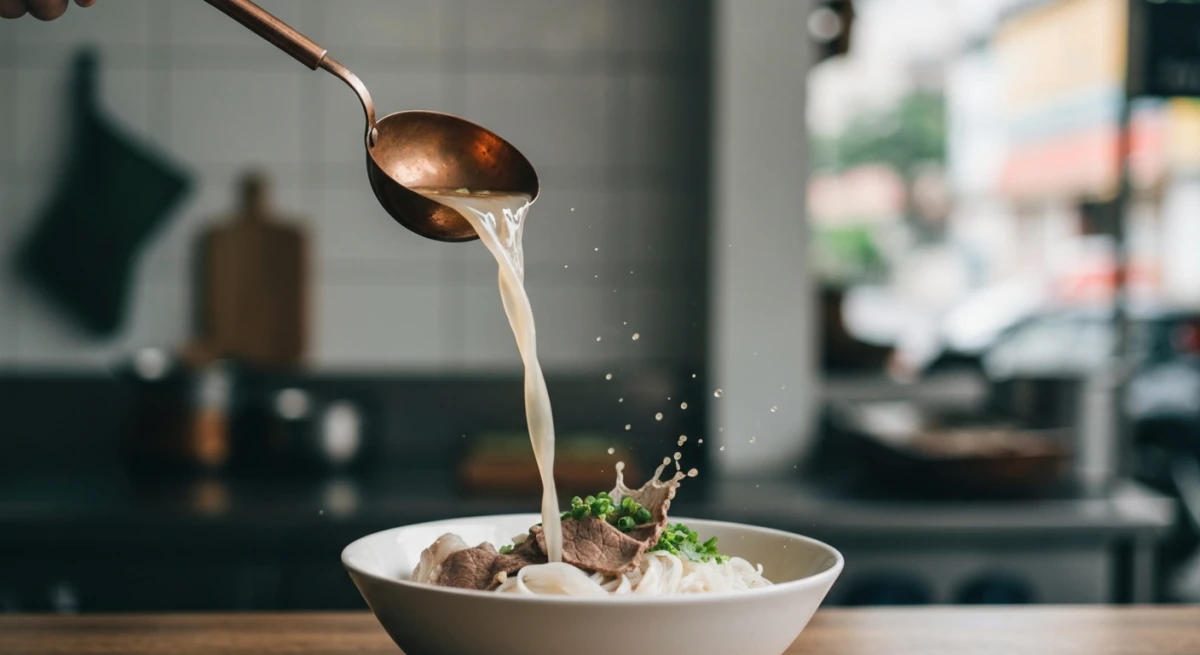
Hanoi is the culinary beating heart of Vietnam. Landing in the historic Old Quarter and wanting to find the best hanoi street food tour can feel overwhelming with so many options. A great food tour is your shortcut to experiencing authentic northern cuisine on tiny sidewalk plastic stools. This ultimate insider's guide cuts through the noise to help you find the absolute best options—from legendary boutique guided tours to a highly curated, step-by-step DIY itinerary. Let’s dive into how to experience Hanoi's legendary food scene like a true local.
1. Guided vs. DIY: Which Hanoi Street Food Tour is Right for You?
In recent years, a fierce debate has emerged in the travel community: Is it better to book a guided food tour, or should you conquer Hanoi’s streets entirely on your own?
With search engines and travel vlogs offering a treasure trove of information, many independent travelers argue that guided food tours are unnecessary. They claim that you can easily navigate the city with Google Maps and save money. While a DIY food crawl offers ultimate flexibility, skipping a guided tour on your first night in Hanoi often means missing out on the true depth of the city's food culture.
Why a Guided Tour is Invaluable for First-Time Visitors:
- The "Ngõ" Advantage (Hidden Alleys): The absolute best food in Hanoi is not served on major streets. It is found down claustrophobic, dimly lit residential alleys (ngõ) that look like private doorways. Local guides have spent years building relationships with these "hidden" culinary masters.
- The Language Barrier and Customization: While many young Hanoians speak English, older vendors running multi-generational street stalls often do not. A guide translates your dietary needs, ensures you receive the correct seasoning, and explains the specific components of your dish.
- Hygiene and Food Safety Vetting: Street food carries a reputation for causing the dreaded "traveller’s belly." Highly reputable tour operators carefully vet their vendors for hygiene, ingredient freshness, and clean water usage.
- Context and Storytelling: Knowing what you are eating is one thing; understanding why you are eating it is another. A great guide will explain the historical fusion of French, Chinese, and traditional Vietnamese cultures in every bite, as well as the unique characteristics of delicate Northern Vietnamese flavor profiles.
When a DIY Itinerary Makes Sense:
A self-guided DIY approach is perfect if you are a hyper-budget backpacker, have highly specific dietary restrictions that are difficult to accommodate in a group setting, or simply enjoy the thrill of getting lost and discovering spots on your own terms. For the best experience, we recommend booking a high-quality guided tour on your very first evening to build your culinary confidence, and then using a DIY itinerary to explore deeper during the rest of your stay.
2. The 4 Best Guided Hanoi Street Food Tours to Book
If you choose a guided experience, not all tours are created equal. The market is saturated with generic, high-volume group tours that rush tourists through identical, operator-owned stops. To help you avoid these tourist traps, we have selected the four best hanoi street food tours that prioritize authenticity, small group sizes, and exceptional local guides.
1. Curious About Vietnam (by Ms. Yummyface)
Founded and operated by Lylla Nguyen, widely known as "Ms. Yummyface," Curious About Vietnam is a favorite among culinary purists. Lylla’s tours are intentionally limited to a maximum of seven guests, allowing the group to squeeze into tiny, family-owned auntie shops that larger commercial tours cannot physically access.
- What makes it stand out: There are no corporate shortcuts or kickback-driven stops here. Every single one of the 8+ food stops is personally vetted for hygiene, flavor consistency, and local heritage. Additionally, booking a tour grants you access to Ms. Yummyface’s famous "Hanoi Black Book"—a digital goldmine of hidden city gems—along with a short personalized video recap of your experience.
- Best for: Travelers who want an authentic, intimate, and deeply personal dive into Northern Vietnamese cuisine without the touristy fluff.
2. A Chef’s Tour: Hanoi Dawn Market Tasting Tour
For intrepid eaters and photography enthusiasts, this tour is legendary. Starting at an ungodly 4:00 AM, the tour is designed by a professional local chef (the same chef who showcased Hanoi’s culinary scene to Gordon Ramsay). You will leave the tourist trail completely behind to explore four bustling wet markets at their liveliest, including the massive Long Bien wholesale market.
- What makes it stand out: This is a rigorous, eye-opening look at where Hanoi’s daily ingredients originate. You will witness the incredible hustle of flower, vegetable, and meat wholesalers before enjoying ultra-fresh, traditional breakfasts that are only served in the early hours, such as cháo sườn (savory pork rib rice porridge) or bánh cuốn freshly steamed at dawn.
- Best for: Foodies, early risers, and cultural explorers who want to see a raw, unfiltered side of the city that 99% of tourists miss.
3. Ella Hanoi Food Tour
Ella’s Hanoi Food Tour is a highly rated, female-led walking tour that has earned outstanding reviews for its warm, energetic, and engaging hosts. Running for approximately 3 hours through the maze of the Old Quarter, this tour serves as an excellent culinary orientation for first-time visitors to Vietnam.
- What makes it stand out: Ella and her team specialize in teaching you the interactive mechanics of Vietnamese dining. You’ll receive hands-on lessons in using chopsticks, wrapping fresh rice paper rolls, and balancing your dipping sauces. The tour is incredibly accommodating of dietary restrictions, including vegetarian and vegan options, without sacrificing flavor.
- Best for: Families, solo travelers, and anyone wanting a fun, interactive, and educational introduction to Hanoi’s culinary scene.
4. Hanoi Street Food (by Mark Lowerson and Tu)
Praised by the New York Times, this highly respected tour is co-run by Mark Lowerson, an Australian expat who has documented Hanoi’s food scene for decades, and Tu, a local restaurant industry veteran. They limit their private and small-group walking tours to just six guests to preserve an intimate, conversational atmosphere.
- What makes it stand out: Mark and Tu focus on single-dish "masters"—sidewalk vendors who have dedicated their entire lives to perfecting one specific recipe. Their tours are a deep, academic, yet incredibly delicious exploration of how geography, history, and seasonal availability shape what ends up on Hanoian tables.
- Best for: Culinary travelers seeking high-end expertise, deep historical context, and premium curation.
3. The Ultimate 6-Step DIY Hanoi Street Food Itinerary
If you prefer to chart your own course, this curated, self-guided itinerary will guide you through six iconic dishes at some of the most authentic spots in Hanoi’s historic core.
Stop 1: Bánh Cuốn at Bếp Tuệ An (Hanoi Old Quarter)
Begin your culinary journey with a delicate breakfast of bánh cuốn nóng (steamed rice sheet rolls). At Bếp Tuệ An, watch the master chef spread a thin ladle of fermented rice batter over a tightly stretched linen cloth steam-pot. Within seconds, the translucent sheet is lifted, filled with minced pork and wood-ear mushrooms, and rolled.
- How to eat it: Garnish your bowl of warm, diluted fish sauce (nước chấm) with fresh coriander, a squeeze of kumquat juice, and a slice of fresh chili. Dip the warm rolls into the sauce, making sure to scoop up the crispy fried shallots (hành phi) on top.
Stop 2: Phở Bò at Phở Bát Đàn (49 Bát Đàn)
No trip to Hanoi is complete without experiencing authentic Northern-style phở. Unlike the sweeter, herb-heavy Southern version, Northern phở is defined by its clean, savory beef bone broth, flat rice noodles, and minimal garnishes (usually just green scallions and a touch of vinegar). Phở Bát Đàn is a century-old institution where you will likely have to queue alongside hungry locals.
- How to eat it: Order phở bò tái nạm (rare and brisket beef). Before eating, taste the broth first. Then, add a splash of garlic-infused vinegar (dấm tỏi) and a few drops of fresh chili sauce. Pair your bowl with quẩy (deep-fried dough sticks) to dip into the fragrant broth.
Stop 3: Bún Chả at Bún Chả Đắc Kim (1 Hàng Mành) or Bún Chả Hương Liên (24 Lê Văn Hưu)
Bún chả is the ultimate Hanoi lunch dish, famously catapulted to global stardom when Anthony Bourdain and President Barack Obama shared a meal at Bún Chả Hương Liên. It consists of sweet-salty pork patties and sliced pork belly charcoal-grilled to smoky perfection, served in a warm bowl of sweet-and-sour dipping sauce containing pickled green papaya and carrots.
- How to eat it: You will receive a plate of cold rice vermicelli noodles (bún) and an absolute mountain of fresh herbs (perilla, Vietnamese balm, and lettuce). Grab a small bunch of noodles, dunk them into the warm broth with the pork, add your herbs, and eat. Don’t forget to order a side of nem cua bể (crispy crab spring rolls) to share.
Stop 4: Bánh Xèo & Nem Lụi at Sáu Phước (3 Hàng Bồ)
Next, head over to try bánh xèo (crispy sizzling pancakes) and nem lụi (lemongrass pork skewers). The pancake batter, made from rice flour, turmeric, and coconut milk, is fried in a screaming-hot pan with pork, shrimp, and bean sprouts until incredibly crispy.
- How to eat it: Take a sheet of dry rice paper, lay down a leaf of lettuce and fresh herbs, place a strip of the crispy pancake and a piece of grilled pork skewer, roll it tightly, and dip it in the rich, savory peanut-and-pork-liver dipping sauce.
Stop 5: Bánh Tôm Cô Ầm (Ngõ Đồng Xuân)
Tucked deep inside the alleyways of the famous Dong Xuan Market, Bánh Tôm Cô Ầm serves up the most famous bánh tôm (West Lake shrimp cakes) in the city. Whole, fresh, shell-on prawns are battered with shredded sweet potato and deep-fried until perfectly crunchy.
- How to eat it: Wrap pieces of the crispy shrimp cake in lettuce leaves, pack it with fresh Vietnamese mint, and dip it in the sweet-and-sour fish sauce loaded with pickled radish and green papaya.
Stop 6: Egg Coffee at Cafe Đinh (13 Đinh Tiên Hoàng) or Cafe Giảng (39 Nguyễn Hữu Huân)
End your self-guided crawl with Hanoi's liquid masterpiece. Invented by Mr. Nguyen Van Giang in 1946 when fresh milk was scarce during the war, egg coffee is made by vigorously whisking egg yolks with sweetened condensed milk and sugar until it forms a thick, velvety custard, which is then poured over hot, bitter Robusta coffee.
- How to eat it: While Cafe Giang is the birthplace, Cafe Dinh (run by Giang’s daughter) offers a deeply authentic local vibe overlooking the lake, hidden up a narrow, graffiti-laden staircase. Use a spoon to taste the rich, tiramisu-like egg foam first, then slowly stir the dark coffee from the bottom to blend the sweet and bitter layers.
4. The Hanoi Street Food Code: Etiquette, Flavors, and Tasting Tactics
Eating on the streets of Hanoi is an immersive cultural experience, but it comes with its own set of unwritten rules and customs. Mastering these basic etiquette tips will make your street food adventure much smoother and more enjoyable.
- The Stool Philosophy: In Hanoi, the lower you sit, the more authentic the culinary experience. Sidewalk dining centers around tiny, colorful plastic tables and stools (ghế nhựa). Do not let the lack of formal table settings deter you; these humble setups serve some of the most complex, Michelin-recognized flavors in the country.
- Mastering the Tableside Condiments: Northern Vietnamese cuisine values subtle, delicate, and balanced flavors. Vendors do not pre-season your food heavily because they expect you to customize it using the array of condiments on your table. Learn the trifecta:
- Quất (Kumquats) or Chanh (Limes): Adds clean acidity. Squeeze them into your broths and dipping sauces.
- Dấm tỏi (Garlic vinegar): Essential for beef phở; it cuts through the rich beef fat.
- Tương ớt (Local chili sauce) & Fresh Bird's Eye Chilies: Use sparingly. The tiny red chilies pack an intense, immediate heat.
- The "Khăn Ướt" (Wet Wipe) Trap: When you sit down, you will often find packaged wet wipes on the table. Be aware that these are almost never free. They usually cost between 2,000 and 5,000 VND (about $0.10 to $0.20 USD) each. While incredibly cheap, they will be added to your final bill if used.
- Chopstick Sanitization: It is a common local habit to sanitize your utensils before eating. Take a lime wedge from the table, squeeze it over your chopsticks and metal spoon, and wipe them clean with a dry napkin.
- Is the Ice Safe? Many travelers worry about the ice in street drinks. As a rule of thumb, look at the shape of the ice. If it consists of hollow, machine-made cylindrical tubes (đá ống), it is manufactured using purified water and is completely safe to consume. Avoid large, solid blocks of ice that have been shaved or crushed manually by hand on the sidewalk, as these are often transported in unhygienic conditions.
5. Dietary Hacks: Navigating Allergies, Gluten, and Vegetarianism
Hanoi's street food scene can feel daunting if you have dietary restrictions, but with a little preparation and the right vocabulary, you can still experience the magic of Northern Vietnamese dining.
- Vegetarian and Vegan Dining (Ăn Chay): Traditional Hanoian street food relies heavily on nước mắm (fish sauce) and pork bone broths. Even when a dish appears vegetarian, the broth or dipping sauce likely contains animal products.
- Your Strategy: Look out for the word "Chay" (vegetarian). Seeking out dedicated Buddhist vegetarian restaurants (nhà hàng chay) or temple-style buffets is the safest route. When ordering, use the phrase: "Tôi ăn chay" (I eat vegetarian) or "Không có nước mắm" (No fish sauce).
- Gluten-Free Navigating (Không ăn bột mì): Fortunately, Vietnamese cuisine is heavily rice-based. Rice noodles (phở, bún, miến), rice paper rolls (bánh cuốn), and rice flour batters (bánh xèo) are naturally gluten-free.
- Your Strategy: The biggest hidden culprits of gluten are soy sauce (xì dầu), wheat flour binders in processed sausages (giò lụa), and certain deep-fried batters that mix wheat flour with rice flour for extra crunch (such as bánh tôm). Stick to clean broths, fresh spring rolls, and plain grilled meats. Use the phrase: "Tôi không ăn được bột mì" (I cannot eat wheat flour).
- Peanut Allergies (Dị ứng đậu phộng): Peanuts (đậu phộng or lạc in Northern dialect) are widely used in Vietnamese salads, noodle bowls, and dipping sauces.
- Your Strategy: Always double-check before ordering. Peanuts are typically sprinkled on top of dishes at the very end, meaning you can often ask for them to be omitted. Use the card or phrase: "Tôi bị dị ứng lạc. Không cho lạc vào thức ăn" (I am allergic to peanuts. Do not put peanuts in my food).
6. Frequently Asked Questions (FAQ)
Are street food tours in Hanoi safe for sensitive stomachs? Yes, provided you choose a highly reputable, vetted tour or stick to high-turnover local stalls. Stalls that are packed with locals indicate a high turnover rate, meaning the ingredients are fresh and have not been sitting out. Reputable food tours meticulously vet their vendors for water filtration and hygiene.
How much does a guided Hanoi street food tour cost? Prices vary depending on the experience. Budget, high-volume group tours can cost anywhere from $15 to $30 USD per person. Premium, small-group or private tours (such as Curious About Vietnam or A Chef’s Tour) generally range from $50 to $95 USD per person. While more expensive, these premium tours offer high-quality English-speaking guides, smaller groups, and authentic, clean vendors.
What is the difference between Hanoi food and Saigon food? Northern Vietnamese food (Hanoi) is highly delicate, balanced, and savory, with a strong emphasis on black pepper, fresh herbs, and clear, clean broths. Southern Vietnamese food (Saigon) is much sweeter, bolder, and richer, often incorporating coconut milk, sweet soy sauce, hoisin, and a wider variety of fresh vegetables and herbs.
Can vegetarians do a street food tour in Hanoi? Yes! While standard street food tours are heavy on meat, highly rated boutique tours (such as Ella Hanoi Food Tour) offer fully customized vegetarian and vegan itineraries. Make sure to notify your tour operator of your dietary needs at the time of booking.
Is it customary to tip food tour guides in Vietnam? Tipping is not mandatory in Vietnam, but it is highly appreciated. If your guide went above and beyond to provide an exceptional, safe, and informative experience, a tip of 100,000 to 200,000 VND (about $4 to $8 USD) per person is a generous way to show your appreciation.
Conclusion
Hanoi is a city that reveals its true soul through its street food. Sitting on a low plastic stool, watching the vibrant life of the Old Quarter pass by while slurping a hot bowl of savory broth, is an experience you will never forget. Whether you choose to invest in a premium, expert-led tour like Ms. Yummyface's Curious About Vietnam or navigate the hidden alleys using our curated DIY itinerary, taking a street food tour is the single best way to connect with the culture, history, and people of this incredible 1,000-year-old city. Come hungry, bring an open mind, and prepare to fall in love with the flavors of Hanoi.