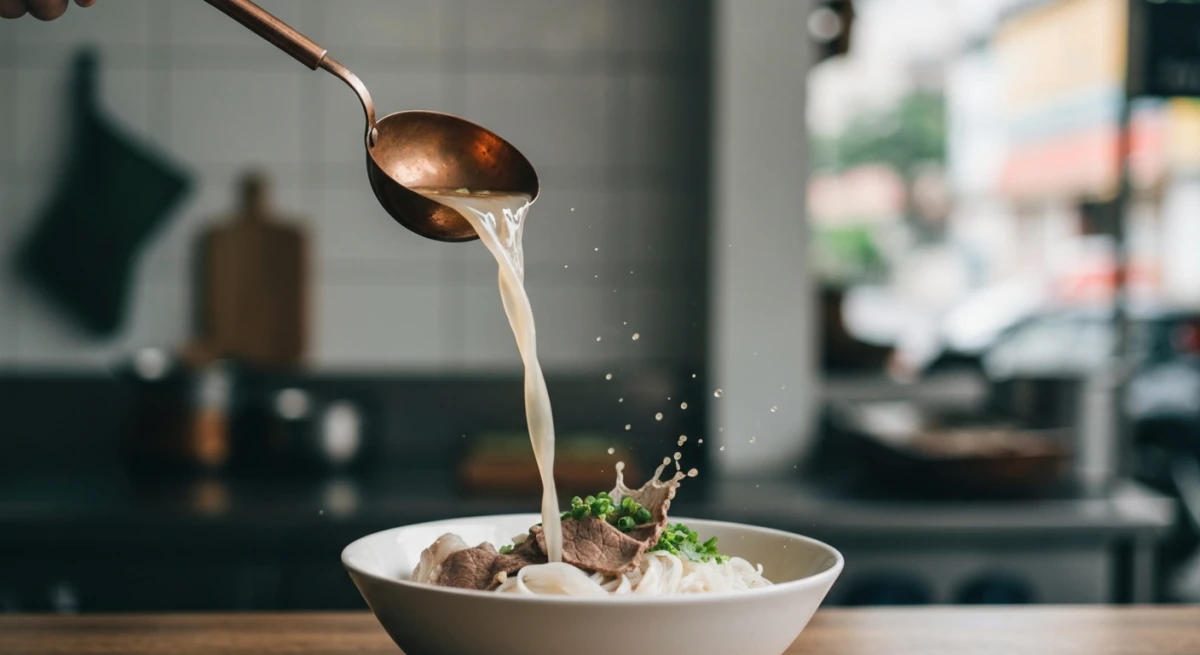
The air in Hanoi’s Old Quarter is thick with a heady, irresistible mix of scents: char-grilled pork sizzling over hot coals, aromatic star anise wafting from massive pots of simmering bone broth, and the rich, roasted perfume of robusta coffee beans. Navigating these narrow, scooter-clogged alleys for the first time can feel like a beautiful form of sensory overload. To truly understand this 1,000-year-old city, you have to eat your way through it. A Hanoi walking food tour is not just a tourist activity; it is a cultural rite of passage.
Whether you choose to book a professionally guided local excursion or conquer the labyrinth of the Old Quarter with a highly curated, self-guided DIY route, diving into Hanoi’s legendary street food scene will undoubtedly be the highlight of your time in Vietnam. This comprehensive guide provides everything you need to know to navigate the sidewalks like a seasoned local, discover hidden family-run stalls, and taste the very best of Northern Vietnamese cuisine.
The Magic of Hanoi Sidewalk Culture: More Than Just Food
To understand Hanoi’s food, you must first understand the concept of "vỉa hè"—the sidewalk. In Hanoi, the sidewalk is not merely a path for pedestrians. It is an open-air living room, a community bulletin board, and, most importantly, the city’s premier dining hall. From dawn until late at night, the sidewalks are alive with the clatter of bowls, the hiss of deep fryers, and the low hum of neighborhood gossip.
Sitting on a tiny blue or red plastic stool that rises barely a foot off the pavement is an essential part of the Hanoi street food experience. Eating at this level completely changes your perspective. It is an incredible social equalizer: you will regularly see high-earning business professionals in tailored suits sitting shoulder-to-shoulder with students, construction workers, and budget backpackers, all hunched over the same steaming bowls of noodles. There is no pretense here; the focus is purely on the flavor in front of you.
Furthermore, Hanoian culinary traditions are distinctly different from the food you will find in Southern Vietnam (such as Ho Chi Minh City). While Southern dishes tend to lean sweet and heavily spiced with chilis, Northern Vietnamese cuisine prioritizing subtlety, balance, and clean, natural flavors. Hanoian chefs aim to highlight the natural purity of their fresh ingredients. Broths are cooked patiently for hours to achieve a delicate sweetness without relying on excess sugar. Black pepper is favored over fiery chilis, and fresh, aromatic herbs like perilla (tía tô), Vietnamese balm (kinh giới), and coriander are treated as structural components of the dish rather than simple garnishes. Every bite is an exercise in restraint and perfect harmony.
The Ultimate 6-Stop DIY Hanoi Walking Food Tour Itinerary
If you prefer to explore at your own pace, this geographic step-by-step walking itinerary will guide you to some of the most historic and highly rated street food stalls in the Old Quarter. Each stop showcases a distinct culinary technique and a signature flavor profile of the capital.
Stop 1: Traditional Pâté Bánh Mì at Bánh Mì Lãn Ông
- Address: 18 Lãn Ông, Hàng Bồ, Hoàn Kiếm
- The Dish: Bánh Mỳ Patê
No culinary journey in Vietnam can begin without paying homage to the bánh mì, the nation's iconic French-Vietnamese hybrid. While modern variations have popped up across the globe with various fusion fillings, the traditional Hanoi-style bánh mì remains delightfully simple and remarkably rich.
At Bánh Mì Lãn Ông, a legendary family-run institution tucked away on Lãn Ông street, the focus is on a few high-quality ingredients. Here, the star of the show is the house-made pork liver pâté. Warm, buttery, and heavily spiced with black pepper, it is spread generously inside a fresh, shatteringly crispy baguette that is light and airy on the inside. It is topped with a sprinkling of pork floss (ruốc), a few slices of cucumber, and a handful of fresh cilantro. It contains no heavy mayo or pickled daikon, allowing the savory, rich flavor of the pâté to shine through.
- How to eat it: Eat it warm, right on the spot. The contrast between the hot, melt-in-your-mouth pâté and the cold, crunchy cucumber is pure perfection. If you want a bit of heat, ask for a drizzle of their house-made chili sauce, which is tangy and sharp rather than sweet.
Stop 2: Steamed Rice Rolls at Bánh Cuốn Gia Truyền Thanh Vân
- Address: 14 Hàng Gà, Hàng Bồ, Hoàn Kiếm
- The Dish: Bánh Cuốn với Nhân Thịt Heo và Mộc Nhĩ
Walk just a few minutes over to Hàng Gà street to experience one of the most delicate breakfast and daytime snacks in the capital: bánh cuốn (steamed rice rolls). At Bánh Cuốn Gia Truyền Thanh Vân, you can watch the culinary artisans work their magic right at the entrance of the restaurant.
The cooking process is mesmerizing. The chef pours a thin ladle of fermented rice batter onto a tightly stretched cotton cloth draped over a pot of boiling water. A dome-shaped lid is placed over it for mere seconds, steaming the batter into a translucent, paper-thin sheet. Using a thin bamboo stick, the chef deftly lifts the delicate sheet, places it on a greased surface, stuffs it with a savory mixture of seasoned minced pork and wood ear mushrooms (mộc nhĩ), and rolls it up. It is then topped with a generous handful of golden, crispy fried shallots.
- How to eat it: Bánh cuốn is served with a bowl of warm, light dipping sauce (nước chấm) made from fish sauce, lime juice, sugar, and water. Customize your dipping sauce by adding a slice of fresh bird's eye chili or a drop of cà cuống (giant water bug essence, a traditional Hanoian delicacy that adds a unique pear-like aroma). Dip each roll generously into the warm sauce, ensuring the crispy shallots stay intact, and enjoy the silky, savory bite.
Stop 3: Charcoal-Grilled Pork Noodles at Bún Chả Ta
- Address: 21 Nguyễn Hữu Huân, Lý Thái Tổ, Hoàn Kiếm
- The Dish: Bún Chả
For your third stop, it is time for the heavyweight champion of Hanoian lunches: bún chả. While Bún Chả Hương Liên gained international fame after President Barack Obama and chef Anthony Bourdain dined there, Bún Chả Ta on Nguyễn Hữu Huân street offers an equally spectacular, highly authentic experience in a cozy, multi-level setting in the heart of the Old Quarter.
Bún chả consists of charcoal-grilled pork patties (chả viên) and slices of pork belly (chả miếng) served submerged in a warm, sweet-and-savory broth. This broth is a masterful blend of fish sauce, sugar, vinegar, garlic, and chili, populated with floating slices of green papaya and carrot which add a delightful crunch. It is served alongside a plate of cold vermicelli rice noodles (bún) and a massive mountain of fresh herbs, including lettuce, perilla, and Vietnamese balm.
- How to eat like a local: Do not dump all your noodles into the broth at once, as this will soak up too much liquid and turn the noodles soggy. Instead, grab a small, bite-sized portion of noodles with your chopsticks, submerge them into the warm broth, grab a piece of grilled pork and a slice of green papaya, tuck a few fresh herbs into your bowl, and lift the entire flavorful parcel to your mouth. The smokiness of the charcoal-grilled pork combined with the sweet-tangy broth and the freshness of the herbs is nothing short of legendary.
Stop 4: Dry Mixed Chicken Pho at Phở Hạnh
- Address: 65 Lãn Ông, Hàng Bồ, Hoàn Kiếm
- The Dish: Phở Gà Trộn
While everyone knows the classic, steaming bowl of beef phở soup, a true Hanoi walking food tour would be incomplete without trying its lesser-known, highly addictive sibling: phở gà trộn (dry mixed chicken phở). On warm evenings, locals flock to Phở Hạnh on Lãn Ông street to enjoy this incredibly refreshing alternative.
Phở gà trộn swaps the piping hot beef broth for a light, sweet-savory soy-based sauce drizzled over a bowl of flat, chewy phở noodles. The dish is loaded with tender, hand-shredded boiled chicken, crispy fried shallots, crushed roasted peanuts, fresh coriander, and a mountain of chopped scallions. It is served dry, accompanied by a small bowl of clear chicken broth on the side to cleanse your palate.
- How to eat it: Use your chopsticks and spoon to thoroughly toss the ingredients, ensuring the soy-based dressing coats every single noodle. The magic of this dish lies in the textures—the chewiness of the noodles, the tenderness of the chicken, and the crunch of the peanuts and fried shallots. Add a squeeze of fresh lime juice and a dash of garlic vinegar to cut through the richness and elevate the flavor profile.
Stop 5: Deep-Fried Pillow Cakes and Spring Rolls at Quán Gốc Đa
- Address: 52 Lý Quốc Sư, Hàng Trống, Hoàn Kiếm
- The Dish: Bánh Gối & Nem Rán
As dusk begins to settle over the city, follow the aroma of frying oil to Quán Gốc Đa, located under the shade of a massive banyan tree near the historic St. Joseph’s Cathedral. This bustling spot is famous for its crispy, golden-fried Northern Vietnamese delicacies.
Here, you must order bánh gối (pillow cake) and nem rán (fried spring rolls). Bánh gối gets its name from its half-moon shape, which resembles a small pillow. It features a pastry wrapper stuffed with minced pork, glass noodles, wood ear mushrooms, and a hard-boiled quail egg, deep-fried to a bubbly, shatteringly crisp golden brown. Nem rán are the classic Northern-style spring rolls, packed with minced pork, carrots, mushrooms, and bean sprouts wrapped in thin rice paper and double-fried for maximum crunch.
- How to eat it: The staff will use kitchen shears to cut the hot fried cakes and rolls into bite-sized pieces. Eat them by wrapping the crispy pieces in fresh lettuce leaves along with herbs, then dipping them into the accompanying sweet-sour fish sauce mixture. The freshness of the lettuce perfectly balances the rich, oily crunch of the fried pastry.
Stop 6: Egg Coffee at Café Giảng
- Address: 39 Nguyễn Hữu Huân, Lý Thái Tổ, Hoàn Kiếm
- The Dish: Cà Phê Trứng
No culinary exploration of Vietnam's capital is complete without ending on a sweet note. Walk back towards Nguyễn Hữu Huân street to visit Café Giảng, the undisputed birthplace of Hanoi’s famous cà phê trứng (egg coffee). Tucked down a long, narrow alleyway, this multi-story cafe is always buzzing with locals and travelers seeking a taste of liquid gold.
The story behind egg coffee is as fascinating as the drink itself. In 1946, during the First Indochina War, milk was highly scarce in Hanoi due to embargoes. Nguyen Giang, a bartender at the prestigious Metropole Hotel, desperately needed a substitute for milk in his coffee. He decided to whip up fresh egg yolks with sweetened condensed milk, creating a thick, frothy custard that floated beautifully atop hot, strong Vietnamese robusta coffee. The drink was an instant sensation, and Café Giảng was born.
- How to eat/drink it: Egg coffee is served in a small bowl of warm water to keep the coffee hot. It looks and tastes more like a dessert than a beverage. Grab a small spoon and scoop up the thick, meringue-like egg custard on top—it tastes like liquid tiramisu or rich yellow cake batter. Once you have enjoyed a few spoonfuls of the sweet foam, gently stir it down into the dark, bitter robusta coffee underneath to create a perfectly balanced, velvety elixir.
Booking a Guided Hanoi Walking Food Tour vs. Going DIY
When planning your culinary adventure, you will face a crucial choice: should you book an organized, guided Hanoi walking food tour or embark on a self-guided DIY journey? Both paths offer incredible rewards, but they suit very different travel styles.
The Benefits of Booking a Guided Tour
If you are visiting Hanoi for the first time, traveling solo, or feel slightly intimidated by the city’s chaotic traffic and language barrier, booking a guided street food tour is highly recommended.
- Insider Access: Expert local guides have spent years building relationships with vendors. They can lead you down dark, labyrinthine alleys (ngõ) that look like private residential entrances but actually open up into three-generation-old noodle stalls that you would never find on Google Maps.
- Cultural Translation: A good guide doesn't just show you what to eat; they explain why you are eating it, the history of the vendor, and the cultural etiquette of the table. They can also explain the specific medicinal properties locals associate with different herbs.
- Stress-Free Navigation: Crossing the streets in Hanoi's Old Quarter can be terrifying for newcomers. Having a local guide act as your guide and crossing buddy makes navigating the traffic infinitely easier.
- Food Safety Assurance: Top-rated food tour companies vet their vendors strictly for hygiene, ensuring you can enjoy street food without worrying about stomach issues. Look for intimate, small-group or private tours rather than large commercial bus groups to ensure an authentic experience.
The Benefits of a DIY Walking Tour
For independent travelers, seasoned foodies, or those traveling on a strict budget, a self-guided Hanoi walking food tour offers ultimate freedom.
- Pacing: You can spend as much time as you want at a specific cafe, skip a stop if you are too full, or take a detour to photograph an interesting temple.
- Customization: If you have severe allergies or specific cravings, a DIY tour allows you to curate an itinerary that perfectly matches your preferences.
- Cost-Efficiency: You only pay for the exact food you eat, which typically amounts to less than $10–$15 USD total for a massive feast, compared to the $30–$50 USD booking fee for an organized tour.
Navigating Dietary Restrictions on a Hanoi Food Tour
Hanoi’s street food is incredibly meat-centric, with pork, beef, and chicken dominating almost every menu, and fish sauce (nước mắm) serving as the foundational seasoning for nearly every dipping broth. However, this does not mean travelers with dietary restrictions have to miss out on the magic of a Hanoi walking food tour. With a little preparation and the right vocabulary, you can navigate the street food scene safely.
For Vegetarians and Vegans
In Vietnam, vegetarianism is deeply tied to Buddhism, and the magic words you need to know are "ăn chay" (pronounced "ahn chai"). If a restaurant has the word Chay in its name, it is a fully vegetarian or vegan establishment.
- Where to eat: Avoid standard street vendors, as even their vegetable-based side dishes are often cooked in lard or seasoned with fish sauce. Instead, head to dedicated vegetarian restaurants like Ưu Đàm Chay or search for street food stalls near major temples (like Chùa Quán Sứ) which specialize in bún chay (vegetarian noodle soup) or bánh mì chay (tofu-filled baguettes).
- Useful Phrases:
- "Tôi ăn chay" (I am vegetarian)
- "Không nước mắm" (No fish sauce)
- "Không thịt" (No meat)
For Gluten-Free Travelers
While Vietnam is generally a paradise for gluten-free travelers because rice is the primary staple grain (forming the basis of phở, bún, bánh cuốn, and rice paper), there are still hidden traps.
- Wheat Traps: Bánh mì is made from wheat flour and is never gluten-free. Deep-fried items like bánh gối or nem rán use wrappers that may contain wheat flour, and the frying oil is often cross-contaminated. Additionally, soy sauce (nước tương), which contains wheat, is occasionally used in marinades or mixed noodle dishes like phở trộn.
- Safe Options: Classic soups like phở bò and bún chả (without the deep-fried spring rolls) are generally safe, as the noodles are pure rice and the dipping broths are based on pure fish sauce.
- Useful Phrase: "Tôi dị ứng bột mì" (I am allergic to wheat flour).
For Seafood Allergies
Because fish sauce is ubiquitous, those with severe seafood allergies must exercise extreme caution. Traditional fish sauce is fermented anchovies and salt. If your allergy is severe, even a small trace can trigger a reaction.
- Useful Phrase: "Tôi dị ứng nước mắm" (I am allergic to fish sauce) or "Tôi dị ứng hải sản" (I am allergic to seafood).
Sidewalk Survival: Traffic, Money, and Hygiene
To fully enjoy your Hanoi walking food tour, you need to understand the unspoken rules of the street. Here is a practical blueprint for surviving and thriving on the busy pavements of the Old Quarter.
Master the Art of Crossing the Street
Hanoi’s traffic is legendary, consisting of an endless, flowing river of motorbikes. There are very few traffic lights, and crosswalks are rarely respected. To cross the street safely:
- Be predictable: Step off the curb when there is a small gap in traffic. Walk at a slow, steady, and consistent pace.
- Do not stop or run: Motorbike riders are calculating their trajectory based on your current speed. If you freeze, speed up suddenly, or try to run, you throw off their calculations.
- Keep your head up: Make eye contact with oncoming riders, and let them flow seamlessly around you like water around a stone.
Money and Payment Etiquette
On the street, cash is absolute king. Credit cards are only accepted in high-end restaurants and hotels.
- Carry small bills: Keep a stash of 10,000, 20,000, and 50,000 VND notes handy. Attempting to pay a street vendor for a 25,000 VND bánh mì with a 500,000 VND note is highly discouraged, as they often do not have enough change.
- Tipping: Tipping is not expected or customary at traditional street food stalls. However, if you are booking an organized walking tour, tipping your local guide (around 100,000 to 200,000 VND) for excellent service is highly appreciated.
Street Food Hygiene Tips
Avoid stomach issues by following these quick sanitation rules:
- Look for high turnover: Choose stalls packed with local families. High turnover means the ingredients are bought fresh daily and do not sit out in the heat.
- Boiling is best: Stick to hot, steaming dishes where the broth is kept at a rolling boil.
- Sanitize your utensils: Wipe down your chopsticks and spoons with a paper napkin and a squeeze of fresh lime juice before eating—locals do this all the time.
Frequently Asked Questions (FAQ)
How much does a Hanoi walking food tour cost?
If you book a guided Hanoi walking food tour, prices typically range from $25 to $50 USD per person, which covers all food, drinks, and the services of a local guide. If you choose the DIY route using our itinerary, you can expect to pay between $8 and $15 USD total for a massive feast covering all six stops.
Is Hanoi street food safe to eat?
Yes, Hanoi street food is generally very safe, provided you eat at busy stalls with high customer turnover. The local ingredients are sourced fresh daily from wet markets. To be safe, avoid tap water, drink only bottled or canned beverages, and make sure any ice used in your drinks is cylinder-shaped with a hole through the middle, which indicates it was produced in a certified, purified ice factory.
What is the best time of day to take a food tour?
The best times are mid-day (11:30 AM to 1:30 PM) for lunchtime classics like bún chả, and late afternoon/early evening (5:30 PM to 8:30 PM) when the entire city comes alive for dinner and night snacks. Avoid the mid-afternoon (2:00 PM to 4:30 PM) as many of the best street food vendors close to rest and prepare for the evening rush.
What should I wear on a walking food tour?
Wear comfortable, lightweight clothing and sturdy walking shoes, as you will be navigating uneven sidewalks, stepping over motorbikes, and walking several miles. Avoid open-toed sandals if you are sensitive to street dust. Dress respectfully, especially if your route passes by historical pagodas or temples.
Conclusion: Taste the Soul of Vietnam's Capital
A Hanoi walking food tour is far more than a simple culinary excursion—it is an intimate window into the history, culture, and daily life of Vietnam’s capital. By pulling up a tiny plastic stool, navigating the chaotic motorbikes, and tasting dishes perfected over generations, you connect with Hanoi in a way that standard sightseeing could never replicate.
Whether you dive into a guided tour with an expert local storyteller or embark on our curated 6-stop DIY journey through the ancient streets of the Old Quarter, your taste buds will thank you. Pack your appetite, step onto the bustling sidewalks, and let the culinary adventure begin.