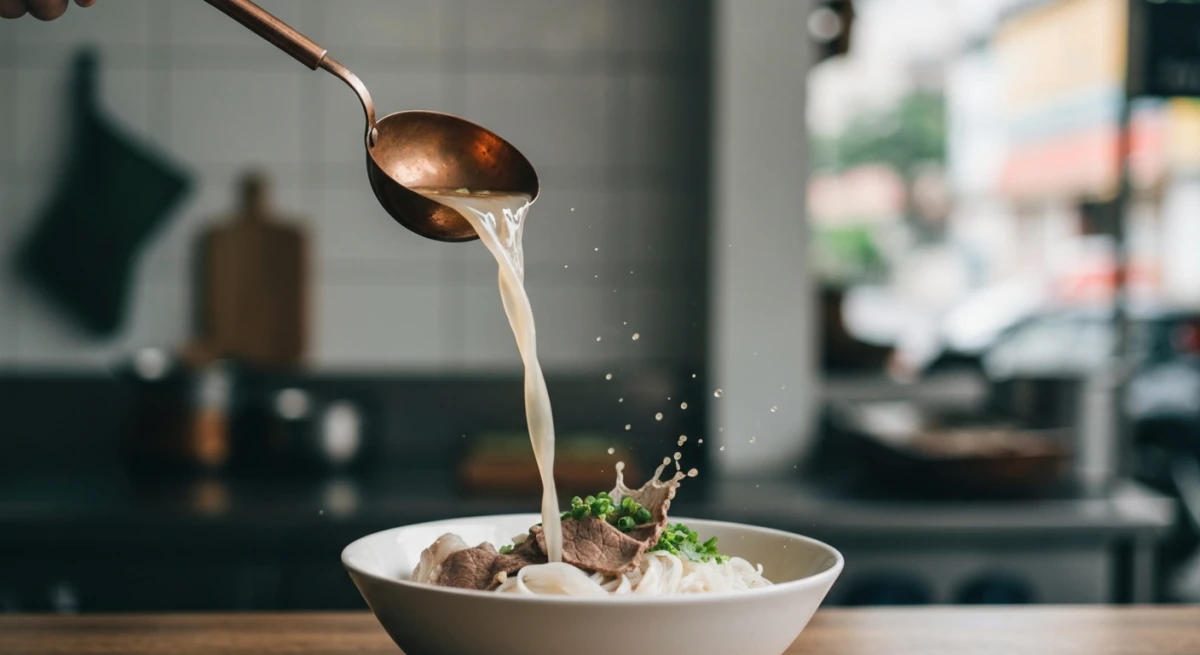
To step onto the chaotic, motor-scooter-thronged sidewalks of Vietnam's capital is to enter one of the world's most vibrant open-air dining rooms. If you are preparing for your first trip to this culinary wonderland, a comprehensive hanoi food guide is your ultimate shield against tourist traps and your passport to unforgettable local flavors. In Hanoi, dining is not merely about sustenance—it is a cultural ritual played out on tiny plastic stools, underneath low-hanging power lines, and in hidden alleyways that have served the same family recipes for generations.
This deep-dive guide is designed to help you navigate Hanoi’s street food labyrinth like a local, highlighting not just what to eat and where to find it, but the crucial etiquette, safety rules, and regional culinary secrets that standard guidebooks leave out.
The Soul of Hanoi Street Food: 8 Iconic Dishes You Cannot Miss
To truly understand Hanoi, you must eat on the street. The city's culinary heartbeat is found on its sidewalks, where decades of tradition are simmered in giant stockpots and grilled over open charcoal troughs. Forget fine dining—in Hanoi, the low plastic stool is your throne. Here are the eight unmissable dishes that belong on every foodie’s bucket list.
1. Phở Bò & Phở Gà (Beef & Chicken Noodle Soup)
While phở is recognized globally as Vietnam’s national dish, its spiritual home is the North. Unlike the sweeter, herb-heavy southern version, Northern pho is an exercise in minimalist perfection. The broth is clear, delicate, and deeply savory, infused with charred ginger, onions, star anise, cinnamon, and black cardamom. It is served with wide, flat rice noodles, tender cuts of beef (phở bò) or shredded chicken (phở gà), and topped simply with green onions and coriander.
- How to eat it like a local: Do not ask for hoisin sauce or sweet chili sauce; doing so is considered a minor culinary sin in the North. Instead, enhance the broth with a squeeze of fresh lime, a few slices of raw bird's eye chili, or a splash of pickled garlic vinegar. Be sure to order quẩy—deep-fried, golden dough sticks. Dunk them into the broth until they are slightly soft but still retain their crunch.
- Where to try it:
2. Bún Chả (Charcoal-Grilled Pork with Noodles)
If pho is the soul of Hanoi, bún chả is its obsession. This dish consists of smoky, charcoal-grilled pork patties (chả viên) and caramelized pork belly slices (chả miếng) swimming in a warm, sweet-savory dipping broth made of fish sauce, sugar, vinegar, and lime. This is served alongside a plate of cold bún (rice vermicelli noodles) and an mountain of fresh herbs, including perilla, mint, and cilantro.
- How to eat it like a local: Take a small bundle of vermicelli noodles, dip them directly into the warm pork broth, grab a piece of grilled meat, add a pinch of fresh herbs, and eat it all in one bite. Don't dump all your noodles into the broth at once, as they will turn mushy.
- Where to try it:
- Bún Chả Hương Liên (24 Lê Văn Hưu, Hai Bà Trưng): Universally known as the "Obama Bun Cha" after former US President Barack Obama famously dined here with Anthony Bourdain.
- Bún Chả Tuyết (34 Hàng Than, Ba Đình): A phenomenal, less chaotic local alternative serving perfectly charred pork with crispy crab spring rolls (nem cua bể).
3. Chả Cá Lăng (Turmeric & Dill Sizzling Fish)
Chả cá is more than a dish; it is a theatrical experience. Originating in Hanoi, this specialty features chunks of firm, local river fish (traditionally hemibagrus, or cá lăng) marinated in turmeric, galangal, and ginger. The fish is brought to your table raw and sizzled in a cast-iron pan over hot coals, buried under heaps of fresh dill and green scallions.
- How to eat it like a local: Once the dill and scallions wilt, transfer some fish and greens to your bowl of rice noodles. Top with crushed roasted peanuts, fresh herbs, and a spoonful of mắm tôm (a pungent, fermented purple shrimp paste) whipped with lime juice and sugar until frothy. If the shrimp paste is too intense, you can substitute it with fish-sauce-based dipping liquid, though purists will encourage you to brave the mắm tôm.
- Where to try it:
4. Bánh Mì (The Vietnamese Baguette)
While Saigon is famous for its massive, everything-but-the-kitchen-sink bánh mì, Hanoi's version is tighter, warm, and highly focused. The bread itself is a marvel—exceptionally airy on the inside with an eggshell-thin, ultra-crispy crust. A classic Hanoi bánh mì focuses heavily on high-quality pork pâté, headcheese, cold cuts, a smear of butter, a sprinkle of fresh cilantro, and a kick of spicy chili sauce.
- How to eat it like a local: Eat it fresh while the baguette is still hot and crackling. It makes for the perfect mid-afternoon snack or a quick breakfast on the move.
- Where to try it:
- Bánh Mì 25 (25 Hàng Cá, Hoàn Kiếm): Highly popular among travelers for its fresh ingredients, English-friendly menu, and vegetarian options.
- Bánh Mì Trâm / Bánh Mì Sốt Vang Đình Ngang (30 Đình Ngang, Hoàn Kiếm): Famous for its bánh mì sốt vang—crispy bread served with a rich, French-influenced beef stew cooked with red wine and warm spices.
5. Bánh Cuốn (Steamed Rice Rolls)
Bánh cuốn is a delicate breakfast staple. Thin, translucent sheets of fermented rice batter are steamed on a stretched fabric screen over boiling water. They are quickly rolled up and filled with seasoned minced pork and wood ear mushrooms, then topped with crispy fried shallots. It is served with a side of warm nước chấm (sweet-savory dipping sauce), fresh herbs, and optional slices of chả lụa (vietnamese pork sausage).
- How to eat it like a local: Dip the delicate rolls into the warm fish sauce broth. Some traditional spots offer a drop of cà cuống (giant water bug essence) in the dipping sauce, which provides an incredibly unique, floral, anise-like flavor.
- Where to try it:
6. Bún Riêu Cua (Crab & Tomato Noodle Soup)
Bún riêu is a vibrant, acidic noodle soup that stands in stark contrast to the clean profile of pho. The broth is built from fresh freshwater crabs, stewed tomatoes, tamarind, and fried tofu. The star of the dish is the rich, cloud-like crab paste mixture (riêu cua) that floats on top. It is accompanied by fresh vermicelli noodles, crispy fried shallots, and a mountain of shredded banana blossoms and split morning glory stems.
- How to eat it like a local: Add a small dollop of purple shrimp paste (mắm tôm) to deepen the umami profile of the broth, along with plenty of fresh herbs and a squeeze of lime.
- Where to try it:
- Bún Riêu Hàng Bạc (11 Hàng Bạc, Hoàn Kiếm): A tiny, sensory-overloaded street stall that serves some of the most complex, tart, and deeply comforting crab broths in the Old Quarter.
7. Bún Bò Nam Bộ (Southern-Style Beef Noodle Salad)
Despite its name ("Southern-style beef noodles"), this dish has become a beloved Hanoi institution. It is a dry noodle dish, meaning there is no hot soup broth. Instead, a bowl of cold rice vermicelli is topped with warm, tender beef stir-fried with garlic and lemongrass. This is combined with fresh herbs, crisp bean sprouts, pickled green papaya, roasted peanuts, fried shallots, and a sweet, tangy fish sauce dressing poured over the top.
- How to eat it like a local: Grab your chopsticks and spoon, and thoroughly toss the ingredients from bottom to top so the dressing coats every noodle.
- Where to try it:
8. Nem Cua Bể (Square Crab Spring Rolls)
Unlike the thin, cylindrical spring rolls (nem rán) found throughout Vietnam, Hanoi's nem cua bể are large, square parcels packed with fresh sea crab meat, minced pork, vermicelli noodles, wood ear mushrooms, and bean sprouts. They are wrapped in delicate rice paper and deep-fried twice to achieve an unbelievably crispy, bubbly golden exterior.
- How to eat it like a local: Cut the square rolls into bite-sized quarters using kitchen shears (which the vendor will usually do for you). Eat them wrapped in lettuce leaves with fresh herbs, dunked into a sweet fish-sauce dipping bowl. They are the perfect crispy side dish to accompany a bowl of bún chả.
- Where to try it:
- Quán Gốc Đa (52 Lý Quốc Sư, Hoàn Kiếm): Famous not only for its incredible nem cua bể but also for its array of other deep-fried Hanoi fritters (bánh gối, bánh rán).
Hanoi's Legendary Liquid Gold: Coffee and Beyond
No hanoi food guide is complete without a deep dive into the city’s thriving beverage culture. Hanoi is a city that runs on caffeine and conversation, and its backalley cafes are as historical as they are delicious. From warm, custard-like morning treats to late-night street-side brews, here is what you need to drink in the capital.
Cà Phê Trứng (Egg Coffee)
Born out of necessity, cà phê trứng is Hanoi’s ultimate contribution to the coffee world. In 1946, during the First Indochina War, condensed milk was scarce. Nguyen Van Giang, a bartender at the prestigious Metropole Hotel, had a stroke of genius: he whipped egg yolks with sugar and condensed milk into a thick, frothy meringue and poured it over rich, dark Vietnamese robusta coffee. The result was a luxurious, tiramisu-like concoction that remains a city-wide favorite.
- How to drink it: Egg coffee is usually served in a small bowl of hot water to keep the egg mixture warm and creamy. Do not drink it all at once. Use a spoon to taste the sweet, velvety egg cream on top first, then gently stir the espresso up from the bottom to create a balanced blend of bitter and sweet.
- Where to find it:
- Café Giảng (39 Nguyễn Hữu Huân, Hoàn Kiếm): The original birthplace. Walk down a long, narrow alleyway to find a rustic, multi-level cafe packed with low wooden chairs.
- Café Đinh (13 Đinh Tiên Hoàng, Hoàn Kiếm): Run by Giang's daughter, this second-story hidden gem offers a slightly stronger, less sweet version of the drink, with a balcony view overlooking Hoan Kiem Lake.
Cà Phê Cốt Dừa (Coconut Coffee) & Cà Phê Muối (Salt Coffee)
While egg coffee grabs the headlines, two other coffee innovations have taken the city by storm:
- Cà Phê Cốt Dừa: Strong robusta coffee poured over a semi-frozen, creamy slushy of coconut milk and condensed milk. It is refreshing, icy, and perfect for hot tropical afternoons.
- Cà Phê Muối: Originating in the imperial city of Hue but now incredibly popular in Hanoi, this drink features dark coffee topped with a layer of salted cream. The salt cuts through the bitterness of the coffee and enhances the sweetness of the condensed milk, creating a salted-caramel-like finish.
- Where to find them: Head to Cộng Cà Phê (various locations), a popular military-themed retro cafe chain that perfected the coconut coffee, or seek out small specialty cafes in the Old Quarter for artisanal salt coffee.
Bia Hơi (Fresh Draft Beer Culture)
As the sun sets, Hanoi's beverage of choice shifts from caffeine to bia hơi. This is a light, unpasteurized draft beer brewed fresh daily, delivered to street corners in metal kegs, and sold for pennies (usually around 10,000 to 15,000 VND—about 40 to 60 US cents per glass). With an alcohol content of around 3% to 4%, it is incredibly light, crisp, and designed for social drinking.
- The Bia Hơi Experience: Sit on tiny plastic stools on the sidewalk, eat plates of roasted peanuts (lạc rang) or fried tofu (đậu rán tẩm hành), and shout "Một, hai, ba, dô!" (One, two, three, cheers!) with locals.
- Where to go: While the intersection of Tạ Hiện and Lương Ngọc Quyến (known as "Beer Street") is famous and highly touristy, for an authentic experience, head to the quieter alleys of the Old Quarter or down towards the Truc Bach lake area, where local bia hơi joints serve cheaper food and fresher beer.
Northern vs. Southern Vietnamese Cuisine: The Culinary Divide
To truly appreciate the flavors of Hanoi, it helps to understand how northern Vietnamese cuisine differs from its southern counterpart. The geographical stretch of Vietnam has created three distinct culinary regions, with the North and the South representing two fascinatingly different philosophies of flavor.
The Subtle Art of the North
Northern Vietnamese cuisine, centered around Hanoi, is characterized by subtlety, balance, and restraint. Because of the colder winters in the North, certain tropical spices and herbs do not grow as easily. Consequently, northern chefs rely heavily on black pepper rather than chili for warmth and spice.
- Flavor Profile: Savory, clean, and delicate. Northern dishes are rarely overly sweet or intensely spicy. Instead, they highlight the natural flavors of the main ingredients.
- Key Ingredients: Fresh river fish, crabs, pork, and dill. Green onions, perilla, and Vietnamese balm (kinh giới) are favored over heavy mint or basil.
- The Broth Philosophy: Northern broths (like pho) are clear, clean, and simmered for up to 24 hours with bones, ginger, and shallots. Sugar is strictly omitted, and MSG is traditionally used sparingly, if at all, to preserve the natural sweetness of the marrow.
The Bold, Sweet South
In contrast, southern Vietnamese cuisine is bold, vibrant, and sweet. The tropical climate of the South yields an abundance of coconuts, sugarcane, chilis, and an endless variety of herbs.
- Flavor Profile: Sweeter, spicier, and rich with coconut milk. Southern dishes are often packed with raw chilis and are significantly sweeter due to the liberal use of palm sugar.
- Key Ingredients: Coconut water, lemongrass, a massive array of fresh herbs, and seafood from the Mekong Delta.
- The Broth Philosophy: Southern pho and noodle broths are sweeter and cloudier, served with a separate plate of raw bean sprouts, Thai basil, culantro, and hoisin sauce, allowing diners to heavily customize their bowls.
When eating in Hanoi, remember that you are tasting history. The dishes here reflect centuries of agricultural adaptation, French colonial influence, and a fierce pride in preserving clean, unadulterated flavors.
A Foodie's Survival Guide: Street Etiquette and Food Safety
Eating street food in Hanoi is one of the most rewarding travel experiences on the planet, but it can be intimidating for first-time visitors. The chaotic motorbikes, the lack of English menus, and the raw nature of sidewalk dining require a bit of know-how. Use these expert tips to navigate the street food scene like a seasoned pro.
1. How to Choose a Safe Street Food Stall
"Hanoi belly" is a fear for many travelers, but a few simple rules will keep your digestive system happy:
- The Crowded Plastic Stool Rule: Look for stalls packed with locals. High turnover means the ingredients are fresh, and the food hasn't been sitting out. If a stall has a high percentage of local families and elderly residents eating there, you can trust it.
- Mono-Product Stalls: The best street food vendors in Hanoi do one thing, and they do it perfectly. Seek out spots that only serve one dish (e.g., just bún chả or just bánh cuốn). These vendors have spent decades refining a single recipe, and their ingredient rotation is incredibly fast.
- Observe the Prep Station: A quick glance at the metal prep cart will tell you everything. Is the broth boiling hot? Is the meat being cooked to order over charcoal? Hot food is safe food.
2. Deciphering the Table Condiments
When you sit down at a Hanoi street food stall, you will notice a small tray of jars and dishes. Knowing how to use these is the key to unlocking the intended flavors of each dish:
- Tỏi Ngâm Giấm (Pickled Garlic in Vinegar): Thin slices of garlic swimming in white vinegar. Essential for beef pho to cut through the richness of the beef fat.
- Ớt Tươi (Bird’s Eye Chili): Extremely hot red chilis. Add them sparingly (one or two slices are usually enough to pack a serious punch).
- Chanh/Quất (Limes or Calamondin Oranges): Used to add a bright, fresh acidity to broths and dipping sauces. Squeeze them over your bowl before eating.
- Tương Ớt (Chili Sauce): Traditional Hanoi street-style chili sauce is thin, bright orange, fermented, and quite spicy. It is different from commercial sriracha and pairs beautifully with bánh mì and fried snacks.
- Măng Ngâm Lựu (Pickled Bamboo Shoots): Often found at noodle stalls. They are crunchy, sour, and slightly spicy—perfect for adding texture to a hot soup.
3. Sidewalk Dining Etiquette
- Cash is King: While high-end restaurants and trendy cafes accept credit cards, 99% of street food stalls in Hanoi only accept Vietnamese Dong (VND). Keep small denominations (10,000, 20,000, 50,000, and 100,000 VND notes) handy. Paying for a 40,000 VND bowl of noodles with a 500,000 VND note can be difficult for small vendors.
- The Floor is the Trash Can: It can be jarring at first to see napkins, lime wedges, and wooden chopsticks thrown directly onto the floor beneath the tables. In traditional Hanoi street dining, the floor is swept regularly by the staff, but during peak hours, it is normal to discard waste there rather than cluttering the tiny tables.
- Clean Your Utensils: It is common practice to take a tissue from the table dispenser and wipe down your chopsticks and spoon before eating. It is not considered rude; it is simply a standard hygiene habit.
The Ultimate 24-Hour Hanoi Food Itinerary
If you only have one day to eat your way through the Vietnamese capital, this curated, walkable itinerary ensures you hit the absolute high points of Hanoi's culinary landscape without feeling overwhelmed.
- 08:00 AM — The Early Morning Pho Ritual Start your morning early, just as the city is waking up. Head to Phở Gia Truyền Bát Đàn in the Old Quarter. Stand in the queue, order a bowl of phở bò chín (well-done beef) or tái (half-done beef), grab your bowl, and find a tiny wooden stool inside. Order a plate of quẩy to dip into the broth. Enjoy the steamy, fragrant broth as motorbikes zip past the open storefront.
- 09:30 AM — Morning Caffeine Kick Walk 10 minutes east through the waking streets to Café Đinh near Hoan Kiem Lake. Climb the creaky, dark staircase of the old colonial building to the second floor. Order a hot cà phê trứng (egg coffee). If you're lucky, snag a seat on the tiny balcony overlooking the lake. The rich, velvety egg cream combined with the robust coffee is the ultimate wake-up call.
- 12:30 PM — The Smoky Lunch Sensation As lunch approaches, follow the smell of charcoal smoke to Bún Chả Tuyết on Hàng Than street. Find a seat on the sidewalk and order a portion of bún chả. Watch the grill master fan the glowing coals outside. Your table will quickly fill with a bowl of warm, sweet broth packed with grilled pork patties, a mountain of fresh herbs, cold vermicelli noodles, and a side of crispy, square crab spring rolls (nem cua bể).
- 03:00 PM — Afternoon Walk & Light Refreshment Take a leisurely walk around the historic Old Quarter. Stop by Bánh Mì 25 for a mid-afternoon snack. Order a classic pork pâté bánh mì. The bread is light, crispy, and warm. Pair it with a cold cà phê cốt dừa (coconut coffee) from a nearby Cộng Cà Phê to cool down from the afternoon heat.
- 06:30 PM — Sizzling Turmeric Fish Dinner For dinner, transition from the street sidewalk to a slightly more structured environment at Chả Cá Thăng Long. Sit at a table equipped with a small built-in gas stove. The staff will bring out a pan of turmeric-marinated fish and toss in fresh dill and spring onions. Sizzle the fish, construct your perfect bowl with rice noodles, roasted peanuts, herbs, and a splash of mắm tôm or fish sauce, and enjoy one of Hanoi's most legendary dinner rituals.
- 09:00 PM — Street-Side Nightcap End your culinary marathon at a local bia hơi joint. Avoid the chaotic tourist trap of Beer Street and head instead towards the quieter alleys around Trúc Bạch Lake. Pull up a blue plastic stool, order a cold glass of fresh draft beer, and snack on a plate of fried tofu with scallion oil (đậu rán tẩm hành) as you watch the city wind down.
Frequently Asked Questions (FAQ)
Is street food in Hanoi safe to eat?
Yes, Hanoi’s street food is generally very safe, provided you follow basic precautions. Stick to stalls that are busy with locals (especially families), choose vendors that specialize in just one or two dishes, and ensure that your food is prepared hot and fresh to order. Avoid drinking tap water; stick to bottled water or hot teas (trà nóng) provided by the vendors.
How much does street food cost in Hanoi?
Hanoi is incredibly budget-friendly. A typical bowl of street pho or bún chả costs between 40,000 and 70,000 VND ($1.60 to $2.80 USD). Egg coffee costs around 30,000 to 45,000 VND ($1.20 to $1.80 USD). A full day of eating like a local can easily be done for under $15 USD.
Are there vegetarian and vegan options in Hanoi?
Yes! While traditional Vietnamese food relies heavily on fish sauce and pork broth, Hanoi has a flourishing Buddhist vegetarian (ăn chay) culture. Look for signs that say "Quán Chay" or "Cơm Chay" (vegetarian restaurant/rice). Many popular spots like Bánh Mì 25 offer dedicated vegetarian menus using tofu, mushrooms, and mock meats.
What is the best time of year for a Hanoi food tour?
The best time to visit Hanoi for a food tour is during the cooler, drier autumn months (September to November) or spring (March to April). Sitting on outdoor plastic stools is much more comfortable when the weather is mild (around 20°C to 25°C / 68°F to 77°F) rather than during the scorching, humid summer months of June through August.
A Final Bite: Embracing the Chaos of Hanoi
To truly experience Hanoi, you must let go of your culinary comfort zones. Leave the sterile hotel dining rooms behind and embrace the beautiful, chaotic, scooter-filled sidewalks. It is here, sitting on a low plastic stool with the steam of a 24-hour beef broth rising into your face, that the true magic of the city reveals itself. Armed with this hanoi food guide, you are ready to navigate the narrow alleys of the Old Quarter, decode the table condiments like a local, and embark on one of the greatest gastronomic adventures of your life. Pull up a stool, raise a glass of bia hơi, and let the flavors of northern Vietnam take over.