Hanoi, a city of narrow mossy alleys, French colonial shutters, and an eternal symphony of motorbike horns, is arguably the culinary heart of Southeast Asia. To truly understand Vietnam's capital, you must eat your way through it. But with thousands of sidewalk stalls and hidden cafes, finding the absolute best hanoi must try food can feel overwhelming. This is not your average checklist of tourist traps. Fully updated for 2026, our comprehensive insider's guide dives deep into Hanoi's legendary food scene, highlighting authentic recipes, historical context, current safety-certified culinary zones, and exactly where local epicures go when the craving strikes.
The Soul of the Capital: Hanoi's Iconic Soups and Mains
1. Phở (Beef and Chicken Noodle Soup)
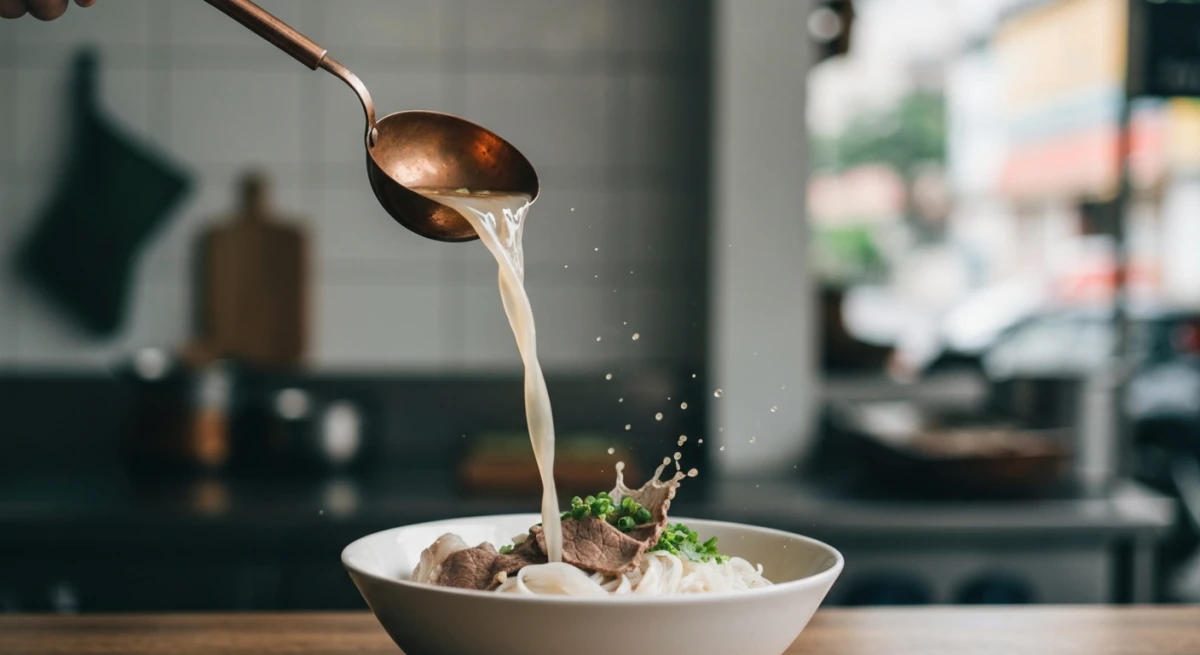
No trip to Hanoi is complete without paying homage to Phở, the undisputed king of Vietnamese noodle soups. However, there is a fierce regional rivalry you must understand. Unlike Southern Pho, which is served with a sweeter, darker broth and a mountain of herbs, hoisin, and chili sauce, Northern Pho (Phở Bắc) is an exercise in elegant restraint. The broth is crystal-clear, delicate, and deeply savory, simmered for over 12 hours with beef bones, charred ginger, onions, cinnamon, and star anise. It is served with wide, flat rice noodles, generous cuts of beef, and a scattering of fresh green onions and cilantro. You customize it only with a squeeze of fresh lime, a few slices of raw bird's eye chili, and quẩy (deep-fried dough sticks) to dip into the broth.
- Where to eat Beef Pho: Phở Khôi Hói (50 Hàng Vải, Old Quarter) is legendary for its tender cuts of beef, particularly the gầu (fatty brisket).
- Where to eat Chicken Pho: Phở Gà Nguyệt (5 Phủ Doãn, Hoan Kiem). This Michelin Bib Gourmand spot serves an exceptional chicken pho, both soup and dry (phở trộn).
- Price Range: 45,000 to 75,000 VND ($1.80 to $3.00 USD).
2. Bún Chả (Charcoal-Grilled Pork with Rice Noodles)
If Phở is Hanoi's soul, Bún Chả is its lunchtime obsession. Imagine walking down an Old Quarter alley around 11:30 AM and being guided solely by the scent of caramelized pork sizzling over open charcoal grates. Bún Chả consists of two types of pork—juicy, minced pork patties and tender sliced pork belly—marinated in fish sauce, sugar, and shallots, then grilled to smoky perfection. These are served submerged in a warm, sweet, savory, and tangy broth made of fish sauce, vinegar, sugar, and lime, adorned with crunchy slices of green papaya and carrot. Alongside, you'll get a mountain of fresh rice vermicelli noodles (bún), a basket of fresh herbs (perilla, Vietnamese balm, mint, lettuce), and a plate of crispy nem cua bể (crab spring rolls).
- The Insider Secret: While tourist crowds flock to Bun Cha Huong Lien (famous for the 2016 "Obama Combo" with Anthony Bourdain), locals prefer the rustic charm and superior smoky flavor of Tuyết Bún Chả 34 (34 Hàng Than) or the exceptionally crispy spring rolls at Bún Chả Bình Minh (29 Hàng Vôi).
- Price Range: 50,000 to 90,000 VND ($2.00 to $3.60 USD).
3. Chả Cá Lã Vọng (Turmeric Fish with Dill and Shrimp Paste)
Dating back over a century, Chả Cá is a dish so famous that an entire street in Hanoi was renamed after it (Phố Chả Cá). This interactive, theater-like dining experience involves a sizzling tabletop skillet. Firm chunks of local river fish (traditionally snakehead fish) are marinated in fresh turmeric, galangal, and ginger, then pan-fried at your table. As the fish sizzles, your server will toss in mountain-high heaps of fresh dill and spring onions. To eat, you assemble a bowl with rice noodles, the fragrant fish, the wilted greens, a sprinkle of roasted peanuts, and—crucially—a drizzle of mắm tôm (a pungent, fermented purple shrimp paste activated with lime juice and sugar until it foams).
- Where to eat: The original Chả Cá Lã Vọng (14 Chả Cá) has historical prestige, but many modern foodies prefer Chả Cá Anh Vũ (120 K1 Giảng Võ) for its cleaner setting, fresher herbs, and perfectly balanced seasoning.
- Price Range: 130,000 to 180,000 VND ($5.20 to $7.20 USD) per person.
4. Bún Riêu Cua (Tomato and Crab Noodle Soup)
Bún Riêu Cua is a rustic masterpiece that showcases the Hanoian knack for balancing complex flavors. The base is an umami-rich broth made from freshwater paddy crabs, tomatoes, and tamarind, which gives it a characteristically sour and sweet profile. It is topped with a rich, soft crab roe cake, fried tofu blocks that absorb the soup, slices of pork roll (giò lụa), and sometimes tender beef. It is served with purple perilla leaves, shredded banana flower, and a squeeze of lime.
- Where to eat: Bún Riêu Trang (23 Nguyễn Siêu). A tiny stall that serves some of the most vibrant, tangiest broth in the city.
- Price Range: 40,000 to 60,000 VND ($1.60 to $2.40 USD).
5. Bún Thang (The Elegant Multi-Ingredient Noodle Soup)
If other soups are street food brawlers, Bún Thang is a delicate ballerina. Historically prepared for the Tet holiday to use up leftovers, this sophisticated dish requires immense preparation. The clear broth is simmered from chicken, pork bones, and dried shrimp. The toppings are meticulously shredded into thin, needle-like threads: shredded chicken breast, razor-thin strips of fried egg crepe, pork roll, pickled radish, and fragrant laksa leaves. A tiny drop of tinh dầu cà cuống (giant water bug pheromone extract) is traditionally added for a unique floral, pear-like aroma, though it is increasingly rare today.
- Where to eat: Bún Thang Bà Đức (48 Cầu Gỗ). This family-run gem in the heart of the Old Quarter serves an incredibly clear, sweet broth that represents Hanoian culinary precision.
- Price Range: 50,000 to 70,000 VND ($2.00 to $2.80 USD).
Street Food Marvels and Quick Bites
6. Bánh Mì (Hanoi Style)
Unlike the Southern Bánh Mì, which is bursting with pickled daikon, fresh cilantro, jalapeños, and multiple cold cuts, the Hanoian Bánh Mì focuses on warm, rich comfort. It is simpler, smaller, and relies heavily on high-quality pork pâté, salted butter, a sprinkling of pork floss, fried shallots, cucumber slices, and a splash of local chili sauce inside a shatteringly crisp, airy baguette. Another popular local style is Bánh Mì Sốt Vang (baguette dipped in a rich, French-influenced beef stew scented with five-spice and red wine).
- Where to eat: Banh My Tun (Old Quarter) is a small, beloved local spot serving unbelievably crisp bread at rock-bottom prices with exceptionally warm service. For Bánh Mì Sốt Vang, head to Bánh Mì Trâm (252 Cửa Nam).
- Price Range: 20,000 to 45,000 VND ($0.80 to $1.80 USD).
7. Bánh Cuốn (Steamed Rice Rolls)
Bánh Cuốn makes for the ultimate light Hanoi breakfast. Watch the vendor expertly ladle a thin spoonful of fermented rice batter onto a tightly stretched steam cloth. Within seconds, a translucent, delicate crepe forms. It is lifted with a bamboo stick, filled with a mixture of minced seasoned pork and wood ear mushrooms, rolled, and topped with crispy fried shallots. It is served warm with a side of sweet-savory dipping sauce (sometimes infused with a drop of cà cuống) and slices of grilled pork sausage (chả quế).
- Where to eat: Bánh Cuốn Bà Xuân (16 Dốc Hòe Nhai) is known for its exceptionally silky rice crepes and perfectly seasoned pork filling.
- Price Range: 35,000 to 55,000 VND ($1.40 to $2.20 USD).
8. Cháo Sườn Sụn (Pork Rib Cartilage Porridge)
Forget what you know about chunky, grain-filled rice congee. Hanoi's Cháo Sườn Sụn has a silky, smooth, almost puréed texture because it is made from finely ground wet rice flour cooked in rich pork bone stock. It is slow-simmered with tender pork ribs and crunchy bits of soft bone cartilage (sườn sụn). Topped with a mountain of ruốc (savory pork floss) and crispy, golden quẩy (dough sticks), this is the comfort food Hanoians crave on chilly autumn mornings.
- Where to eat: Cháo Sườn Huyền Anh (14 Đồng Xuân, right next to the Dong Xuan Market). It opens into the late night, making it a perfect post-beer snack.
- Price Range: 30,000 to 45,000 VND ($1.20 to $1.80 USD).
9. Bánh Tôm (Crispy West Lake Shrimp Fritters)
Originating as a popular street snack in the 1930s, Bánh Tôm is synonymous with the scenic shores of West Lake (Hồ Tây). Whole fresh freshwater prawns—heads, shells, and all—are placed on a bed of julienned sweet potato batter and deep-fried until incredibly crispy and golden. You wrap pieces of the crunchy fritter in fresh lettuce and herbs, then dip them into a sweet, sour, and spicy fish sauce dipping condiment.
- Where to eat: Nhà hàng Thanh Tâm (43 Phủ Tây Hồ). Located near the famous Phu Tay Ho temple, it offers the ultimate crispy crunch with fresh, plump shrimp.
- Price Range: 50,000 to 80,000 VND ($2.00 to $3.20 USD) per plate.
The Legendary Hanoi Coffee and Sweet Culture
10. Cà Phê Trứng (Egg Coffee)
Hanoi’s coffee culture is legendary, but its most famous creation is undoubtedly Cà Phê Trứng. Invented in 1946 by Nguyen Giang, a bartender at the Sofitel Legend Metropole Hotel who substituted condensed milk and whisked egg yolks for fresh milk due to wartime shortages, it is now a global sensation. The drink features a thick, velvety custard of egg yolk whipped with sweetened condensed milk and sugar, poured over a shot of intense, bitter Vietnamese robusta coffee. Drinking it is like tasting a warm tiramisu in liquid form.
- Where to eat: Café Giảng (39 Nguyễn Hữu Huân) is the birthplace and still serves the gold standard. For a hidden gem with incredible rooftop views, find Phố Cổ Café (11 Hàng Gai), tucked behind an unassuming silk shop—climb the winding staircases for a stunning overlook of Hoan Kiem Lake.
- Price Range: 35,000 to 50,000 VND ($1.40 to $2.00 USD).
11. Coconut Coffee (Cà Phê Cốt Dừa)
If egg coffee is warm comfort, coconut coffee is the ultimate refreshing afternoon pick-me-up. It blends strong, dark espresso with a sweet, icy, slushie-like mixture of coconut cream and condensed milk. It is rich, creamy, and beautifully balances the robust bitterness of local coffee beans.
- Where to eat: Cộng Cà Phê (multiple locations, including near the Cathedral). This highly popular, nostalgic chain is themed around Hanoi’s "subsidy era," complete with rustic wooden furniture, military-green decor, and vintage propaganda posters.
- Price Range: 45,000 to 60,000 VND ($1.80 to $2.40 USD).
Navigating Hanoi's 2026 Food Scene: The Insider's Playbook
Eating in Hanoi is as much about the environment as it is about the flavors. However, the dining landscape has shifted in 2026. To dine like a seasoned traveler, keep these crucial updates and street-smart rules in mind:
The 2026 Food Safety Control Streets
In a major culinary milestone, Hanoi's Hoan Kiem ward launched dedicated Food Safety Control Streets covering Đào Duy Từ, Tạ Hiện, and Mã Mây streets. If you are a traveler with a sensitive stomach or are hesitant about traditional street food, this zone is your safe haven. All 90+ food businesses and street vendors in this perimeter are fully certified, with staff undergoing regular health checks, open kitchen displays, and an IT-based raw ingredient traceability system. It offers the authentic sidewalk atmosphere with absolute peace of mind.
The Pedestrian Sidewalk Campaign
Hanoi is actively reclaiming sidewalks for pedestrians, using AI-enabled monitoring to keep footpaths clear. For foodies, this means the classic picture of hundreds of plastic stools completely blocking the street is changing. Many popular street food stalls have moved their low tables and stools inside shopfronts or operate under tight local guidelines. Don't be surprised if a vendor politely asks you to slide your stool back by a foot—it is all part of the city's effort to create a safe, walkable urban center.
Essential Etiquette and Hygiene Hacks
- Look for high turnover: The oldest trick in the book is still the most reliable. If you see a tiny stall crowded with locals, sit down. High turnover guarantees that the meat, noodles, and broth are freshly prepped and haven't sat out.
- The napkin rule: Look under the tables. In Vietnam, customers toss used paper napkins directly onto the floor as they eat. A floor littered with napkins during peak hours is actually a great sign of a wildly popular, high-turnover local joint (staff clean up immediately after the rush).
- Sterilize your utensils: When you sit down, you’ll see a container of chopsticks and spoons, along with fresh limes and chili. Take a piece of lime and rub the juice over your chopsticks and spoon before eating—locals do this to sanitize them and add a subtle citrus aroma.
- Bring cash: While credit cards and QR codes are widely accepted in upscale cafes and malls, Hanoi’s best street vendors deal strictly in paper cash (VND). Keep small bills (10,000, 20,000, and 50,000 VND) handy.
A Curated 24-Hour Hanoi Food Itinerary
Want to experience the perfect culinary day? Follow this time-tested, self-guided food tour through the Old Quarter:
- 07:30 AM — The Silky Breakfast: Start your morning at Bánh Cuốn Bà Xuân for a plate of freshly steamed rice rolls, or grab a warm bowl of Cháo Sườn Sụn at Dong Xuan Market. Wash it down with a hot green tea (trà đá) like a true local.
- 09:30 AM — Secret Rooftop Coffee: Walk off breakfast with a stroll around Hoan Kiem Lake, then slip through the narrow alleyway of Phố Cổ Café (11 Hàng Gai). Order an Egg Coffee and enjoy the panoramic lake views.
- 12:00 PM — The Ultimate Lunch: Make your way to Tuyết Bún Chả 34 for charcoal-grilled pork and crispy crab spring rolls. Remember to dip your noodles directly into the warm, savory broth bowl!
- 03:00 PM — Afternoon Crunch: Stop by West Lake for a quick plate of Bánh Tôm (shrimp fritters) while watching the breeze ripple across the water.
- 06:30 PM — Table-Side Sizzle: Gather at Chả Cá Anh Vũ for a theatrical dinner of turmeric-infused fish sizzled with heaps of fresh dill and spring onions.
- 09:00 PM — Sidewalk Bia Hơi and King Roti: Wrap up your night on Ta Hien Street (Beer Street) in the newly established Food Safety Zone. Grab a glass of freshly brewed Bia Hơi (Hanoi draft beer) for under 15,000 VND, and grab a warm, chocolate-filled sweet bun from King Roti on your walk back to your hotel.
Frequently Asked Questions
Is street food in Hanoi safe for tourists?
Yes, street food in Hanoi is highly safe if you follow basic precautions. Stick to stalls with a high turnover of local customers, eat food that is cooked fresh and served boiling hot, and drink bottled water. For extra peace of mind, dine within the newly launched Food Safety Control Streets (Đào Duy Từ, Tạ Hiện, and Mã Mây) where vendors are strictly certified.
What is the difference between Northern and Southern Pho?
Northern Pho (the Hanoi style) features a clear, delicate, savory broth focused on beef and spice aromas (cinnamon, star anise), wider rice noodles, and minimal garnishes (mostly green onion). Southern Pho has a sweeter, darker broth, thinner noodles, and is served with fresh bean sprouts, Thai basil, sawtooth herb, and sweet hoisin and chili sauces.
Where can I find vegetarian or vegan must-try food in Hanoi?
While many local dishes are meat-heavy, Hanoi has a fantastic vegetarian scene driven by Buddhist tradition. Look for "Cơm Chay" (vegetarian rice) stalls. For an elevated experience, visit Tầm Vị (a Michelin-starred traditional Hanoian restaurant) which offers outstanding vegetarian homestyle dishes, or Ưu Đàm Chay for high-end, artistic plant-based Vietnamese cuisine.
How much does street food cost in Hanoi?
Street food in Hanoi is incredibly affordable. A bowl of Phở or Bún Chả typically costs between 45,000 and 75,000 VND ($1.80 to $3.00 USD). Snacks like Bánh Mì or a cup of Egg Coffee range from 20,000 to 50,000 VND ($0.80 to $2.00 USD). A budget of $15 to $20 USD per day is more than enough for a legendary food journey.
Do I need to tip at local food stalls?
Tipping is not customary in Vietnam, especially at street food stalls and casual local diners. If you dine at high-end restaurants, a 5% to 10% tip is appreciated but never mandatory. At local stalls, simply pay the exact bill amount.
Conclusion
Hanoi’s culinary identity is a gorgeous, aromatic tapestry woven from centuries of history, French colonial influences, and a profound respect for fresh ingredients. Eating here is not just about sating your hunger—it is a cultural ritual of sitting on low stools, watching the city pulse by, and enjoying recipes that families have spent generations perfecting. By stepping off the beaten path, seeking out high-turnover local gems, and keeping an eye on Hanoi's fresh 2026 dining zones, you will experience the true depth of the capital's legendary street food scene. Pack your appetite, embrace the chaotic charm of the Old Quarter, and prepare for one of the greatest culinary adventures of your life.