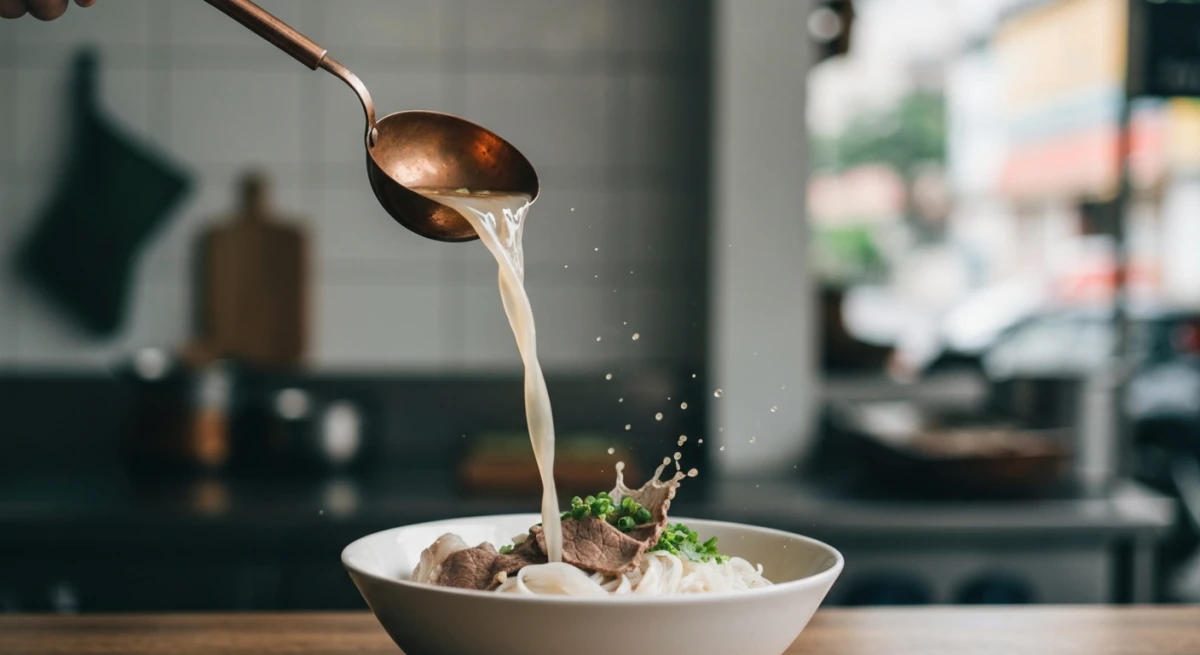
The air in Hanoi at dusk is thick with the scent of caramelized pork, burning charcoal, and simmering beef bones. As the sun dips below the horizon, the city's true heartbeat emerges: a sprawling, chaotic symphony of millions of motorbikes. For the uninitiated, the sea of two-wheeled traffic looks like absolute madness. But for a local, this chaotic flow is the bloodstream of Hanoi's world-renowned culinary scene. To truly understand this city, you must eat its food. And to truly eat its food, you must do it from the back of a motorbike. Experience-driven tourists know that hanoi motorbike street foods represent the pinnacle of Vietnamese gastronomy. Because Hanoi's finest culinary institutions do not live in air-conditioned, multi-story buildings; they thrive in the deep, narrow alleys where cars cannot squeeze, and on the bustling sidewalks where tiny plastic stools act as dining tables. Whether you choose to navigate these asphalt veins on your own or leap onto the back of a local guide's scooter, this ultimate guide will take you on a sensory ride through Hanoi's best-kept culinary secrets.
Why Motorbikes are the Ultimate Key to Hanoi's Food Scene
To appreciate Hanoi's food culture, you have to understand its urban geography. Hanoi is an ancient capital that has grown organically over more than a thousand years. The heart of its food culture lies within the historic Old Quarter and neighboring districts like Ba Dinh, Tay Ho, and Truc Bach. Here, the streets are not laid out on a clean grid; they are a maze of tangled, ancient pathways. Walking these streets is beautiful, but slow. Taxis and ride-share cars are virtually useless; they get stuck in bottleneck traffic or find themselves blocked by the physical limitations of the narrow ngõ (alleys). These alleys, sometimes less than a meter wide, hold the real culinary gold of the city: three-generation-old soup stalls, hidden courtyard cafes, and sidewalk grills that have been smoking the same pork recipe since the 1970s.
A motorbike gives you unparalleled agility. It allows you to effortlessly zip from a sizzling fish market in the Old Quarter to the breezy banks of West Lake for crispy shrimp cakes, and then on to a hidden alleyway in Ba Dinh for a late-night bowl of comforting porridge—all in a single evening. Furthermore, riding a motorbike is a sensory experience in itself. As a pillion passenger, you aren't separated from the city by a pane of glass. You feel the sudden drops in temperature as you cross the historic Long Bien Bridge, inhale the sweet aroma of toasted cinnamon and star anise near a pho stall, and hear the sizzle of spring rolls hitting boiling oil. It is a completely immersive, tactile way of traveling that primes your appetite for the feast ahead. The sheer joy of feeling the city's energy wash over you while traveling between dining spots makes a motorbike food tour far superior to any walking or bus tour.
The Top Hanoi Motorbike Street Foods You Must Try
If you are planning your motorbike food crawl, you need to look beyond the standard, tourist-facing recommendations. While classic Pho Bo and Banh Mi are delicious, Hanoi's culinary depth goes much further. Here are the essential dishes that represent the authentic soul of Hanoi street food, perfectly suited for a multi-stop scooter adventure.
1. Phở Cuốn & Phở Chiên Phồng (Ngu Xa Island)
Located on Ngu Xa, a small peninsula on Truc Bach Lake, you will find a street food paradise dedicated to innovative variations of Vietnam's national dish. Phở Cuốn (rolled pho) is a refreshing departure from the hot soup. Instead of cutting the rice noodle sheets into strips, vendors keep them whole and wrap them around tender, stir-fried beef, fresh cilantro, lettuce, and mint. It is served cold with a sweet, garlicky fish sauce for dipping. The setting is spectacular: you sit just meters away from the calm waters of the lake, listening to the buzz of passing scooters while watching cooks flash-fry beef in giant woks over roaring gas burners.
Right alongside it, you must order Phở Chiên Phồng. For this dish, squares of uncut pho noodle sheets are deep-fried until they puff up into golden, hollow, crispy pillows. They are then smothered in a savory gravy of stir-fried beef and sweet, crunchy bok choy. The contrast of the crispy, airy noodles absorbing the rich, umami-laden sauce is nothing short of legendary. This is a must-stop on any hanoi motorbike street foods journey, showcasing how Hanoi cooks successfully modernize traditional ingredients.
2. Bánh Tôm (West Lake Prawn Fritters)
For a crispy, savory snack with a view, ride up to West Lake (Hồ Tây) near the historic Phu Tay Ho temple. Here, you'll find vendors frying up Bánh Tôm, a quintessential Hanoi street food. Fresh, sweet, whole-shell prawns are nestled into a thick batter made of wheat flour, sweet potato julienne, and turmeric, which gives the fritter its vibrant yellow hue and a satisfying, earthy sweetness.
The entire fritter is deep-fried to a shatteringly crisp golden-brown. To eat it, you wrap pieces of the hot fritter in fresh lettuce leaves and herbs, then plunge it into a light, sweet-and-sour dipping sauce containing pickled papaya and carrot slices. It is crunchy, sweet, earthy, and aromatic all at once—perfectly paired with a cold local beer as the lake breeze cools you down after a warm ride through the city.
3. Bún Chả (Smoky Grilled Pork Noodles)
While Bún Chả gained global fame when President Barack Obama and Anthony Bourdain shared a meal over blue plastic stools in 2016, locals have been obsessed with it for generations. This dish is all about the charcoal grill. Vendors set up their grills right on the sidewalk, sending plumes of sweet, smoky pork smoke drifting down the street, which acts as a delicious beacon for hungry riders. The pork is typically marinated in a mixture of lemongrass, garlic, shallots, honey, and fish sauce, before being clamped into metal baskets and grilled over glowing red coals.
When you sit down, you'll be served a bowl of warm, sweet, and sour dipping sauce (made from fish sauce, vinegar, sugar, and lime) filled with tender grilled pork shoulder and juicy minced pork patties. On the side, you get a mountain of fresh rice vermicelli (bún) and a basket of fresh herbs (perilla, Vietnamese balm, and lettuce). The trick is to dip small bundles of noodles and herbs directly into the pork broth, taking bites of the smoky meat along the way. For an elevated experience, always order a side of Nem Cua Bể (crispy crab spring rolls) to dip as well.
4. Cháo Sườn Sụn (Pork Rib Cartilage Porridge)
For a comforting, savory experience, particularly on a cool Hanoi evening, seek out Cháo Sườn Sụn. Unlike the chunky, grain-heavy rice porridges found elsewhere in Asia, Hanoi-style Cháo Sườn is made by grinding soaked rice into a smooth, silky flour paste before cooking it slow with rich pork bone broth. The resulting porridge has the velvety consistency of a thick chowder or savory custard.
It is loaded with tender, slow-cooked pork rib meat and crunchy bits of soft cartilage (sườn sụn). Topped with a heavy dusting of black pepper, chili powder, quẩy (crispy deep-fried dough sticks), and savory ruốc (dried pork floss), this dish is the ultimate local comfort food. The pork floss acts like a savory cotton candy, melting into the hot porridge with each bite. Eating this while sitting on a low stool on a busy sidewalk is an unforgettable Hanoi experience that perfectly illustrates the warmth of local street food.
5. Bánh Mì Sốt Vang (Vietnamese Beef Stew with Baguette)
While the classic Bánh Mì sandwich is famous worldwide, Hanoi offers a unique, comforting twist that highlights the country's colonial French influences. Bánh Mì Sốt Vang features a rich, deeply aromatic beef stew infused with red wine, five-spice powder, cinnamon, star anise, and fresh lemongrass. The beef is slow-cooked until it is melt-in-your-mouth tender, served in a steaming bowl topped with fresh cilantro.
Instead of stuffing the ingredients into a sandwich, you are given a freshly toasted, incredibly crispy baguette on the side. Tear off pieces of the hot bread, dunk them deep into the thick, aromatic red sauce, and scoop up the tender beef. It is a hearty, cold-weather staple that Hanoians adore, and riding your motorbike to a warm bowl of sốt vang is the ultimate way to end a chilly evening under the city's orange street lamps.
6. Nộm Thịt Bò Khô (Green Papaya Salad with Dried Beef)
When you need a palate cleanser between heavy noodle dishes, look for a vendor serving Nộm Thịt Bò Khô. This refreshing, textured salad starts with a base of finely shredded green papaya and carrots. It is topped with various cuts of chewy dried beef jerky, thinly sliced boiled beef spleen, roasted peanuts, and a generous handful of fresh herbs like Vietnamese mint and coriander.
The entire dish is doused in a sweet, sour, and mildly spicy dressing made of fish sauce, vinegar, and garlic. It is a vibrant, crunchy explosion of flavors that perfectly showcases the balance of sweet, sour, salty, and spicy that defines northern Vietnamese cuisine. It's light, quick to eat, and gives you the energy to hop back on the bike for your next culinary stop without feeling overly weighed down.
7. Cà Phê Trứng (Egg Coffee)
No Hanoi street food adventure is complete without a sweet, velvety cup of Cà Phê Trứng. Invented in the 1940s at Café Giảng during a severe milk shortage, a clever bartender named Nguyen Van Giang substituted condensed milk and whisked egg yolks for fresh milk, creating a masterpiece that has become a global phenomenon.
Strong, dark Robusta coffee is brewed using a traditional Vietnamese metal filter (phin), then topped with a thick, airy, custard-like foam made of egg yolks whipped with condensed milk and sugar. It tastes like a warm, liquid tiramisu. You eat the luxurious foam with a spoon first, then sip the bold, bitter coffee underneath. It is the perfect sweet ending to an evening of savory street food exploration, providing a rich, satisfying caffeine kick to fuel the rest of your night.
The Ultimate DIY Motorbike Food Itinerary: Neighborhood by Neighborhood
If you have access to a scooter and a brave, experienced driver, you can tackle this curated, geographic route to maximize your appetite and minimize travel times. This route is designed to take you through different neighborhoods, offering a diverse taste of Hanoi's culinary and architectural landscape.
Phase 1: Sunset Warm-Up at West Lake & Truc Bach
Start your journey around 5:30 PM, just as the sun begins to set. Ride up towards West Lake, where the air is noticeably cooler and the lake view provides a dramatic backdrop for your first bites.
- Stop 1: Ride to Nhà hàng Thanh Tâm (near Phu Tay Ho) for a plate of golden, crispy Bánh Tôm (Prawn Fritters). Sit close to the water and enjoy the golden-hour reflections.
- Stop 2: Drive a short 10 minutes south to Ngu Xa Island on Truc Bach Lake. Find a local spot like Phở Cuốn Hương Mai and order a plate of refreshing Phở Cuốn and a dish of crispy, gravy-soaked Phở Chiên Phồng.
Phase 2: Winding Through the Old Quarter Alleys
Next, head south into the chaotic, neon-lit labyrinth of the Old Quarter, where the streets are packed with life and the air is filled with the aroma of charcoal smoke.
- Stop 3: Navigate the winding streets to Bún Chả Bình Minh or a similar alleyway vendor. Order a portion of smoky Bún Chả and crispy crab spring rolls. Sit on the sidewalk and soak in the rumble of passing scooters.
- Stop 4: Head over to Dong Xuan Market area or Hang Bo street. Look for a traditional cart serving Cháo Sườn Sụn (Pork Cartilage Porridge). The smooth, hot porridge is the perfect bridge between savory dinner and sweet dessert.
Phase 3: Crossing the Long Bien Bridge for Dessert
As the night deepens, it's time for a classic Hanoian rite of passage that many standard tourists miss out on entirely. Built by the firm of Gustave Eiffel in 1899, the historic, rust-toned Long Bien Bridge spans the wide Red River.
- Stop 5: Ride your motorbike onto the bridge. This narrow steel structure only allows motorbikes, trains, and pedestrians. Stop mid-bridge to feel the cool breeze from the river below, hear the bridge rattle as a train passes, and take in the panoramic night views of Hanoi's twinkling skyline. At the bridge's entrance, you can grab a quick snack of charcoal-grilled corn or sweet potatoes.
- Stop 6: Ride back into the Old Quarter and park near Hoan Kiem Lake. Walk into a hidden, second-story cafe (like Café Giảng or Café Đinh) for a comforting cup of warm Egg Coffee to wrap up your epic night.
Safety, Ethics, and Choosing a Guided Motorbike Food Tour
While a DIY route is incredibly rewarding for experienced riders, navigating Hanoi's traffic can be daunting, stressful, and outright dangerous if you are not accustomed to local road rules. For most travelers, booking a guided motorbike food tour is the superior choice. Here is why, along with key tips on choosing a reputable operator.
Pillion Passenger vs. Self-Riding
Unless you have extensive experience riding a scooter in major Southeast Asian cities, do not rent a motorbike to ride yourself in Hanoi. The traffic operates on a system of fluid, unwritten rules. Yielding, lane splitting, and navigating intersections require a high level of intuition, anticipation, and quick reflexes.
By riding as a "pillion" (a passenger on the back of a local guide's bike), you offload all the stress of driving to a professional. This allows you to relax, take photos, film videos, and fully immerse yourself in the sights and smells of the city without worrying about scraping a bumper. It turns a stressful navigation challenge into an exhilarating, worry-free ride.
To ensure safety as a pillion passenger, remember to sit comfortably and hold on to the grab bar behind you or the driver's waist. Keep your knees tucked in closely to the bike's frame, and try to lean naturally with the driver as they turn corners rather than fighting the bike's motion.
What to Look for in a Motorbike Food Tour Operator
When searching for the perfect tour, keep these factors in mind:
- Safety First: Ensure the company provides high-quality, full-coverage helmets (not flimsy plastic caps) and has comprehensive insurance coverage for passengers.
- Professional, Licensed Drivers: Many tours employ young, enthusiastic local university students. While they are amazing companions, verify that the agency strictly requires valid motorcycle licenses and runs regular safety training.
- Small Group Sizes: A fleet of 20 motorbikes stopping at a tiny alleyway stall ruins the local atmosphere and slows down the service. Look for tours that cap their groups at 4 to 6 people per guide to maintain an intimate, authentic experience.
- Curation Over Convenience: Avoid tours that only take you to high-turnover tourist restaurants. A great guide should take you to "hole-in-the-wall" spots that have been run by the same family for decades, where the food is prepared with love and tradition.
Practical Tips for the Ride
- What to Wear: Wear closed-toe shoes (sneakers are ideal) to protect your feet in close-quarters traffic. Avoid loose skirts or long dresses that could get caught in the bike's wheel or exhaust pipe. Bring a lightweight windbreaker to stay warm on the road at night.
- Secure Your Belongings: Keep your phone and camera secure. Use a crossbody bag worn under your jacket or tightly against your chest to prevent opportunistic snatching in crowded areas.
- Dietary Restrictions: Vietnamese food relies heavily on fish sauce, peanuts, and gluten (via wheat-based wrappers and baguettes). If you are vegetarian, vegan, or have a severe peanut allergy, inform your tour operator well in advance. Excellent vegetarian motorbike food tours exist, focusing on mock meats, tofu, and fresh herbs.
Frequently Asked Questions (FAQ)
Is street food in Hanoi safe for sensitive stomachs?
Generally, yes. Because of the high turnover at popular street stalls, the food is incredibly fresh—ingredients are purchased at wet markets in the morning and consumed by evening. To be safe, look for stalls that are packed with locals, ensure meats are cooked hot and fresh in front of you, and stick to bottled water. If you have a particularly sensitive stomach, ease into it and avoid ice in your drinks at smaller roadside stalls.
Can vegetarians enjoy a Hanoi motorbike street food tour?
Absolutely! While Hanoi's culinary scene is famous for meat-heavy dishes like Bun Cha and Pho, the city has a deep Buddhist tradition which means excellent Chay (vegetarian) food is widely available. A good motorbike tour can easily swap pork and beef dishes for vegetarian alternatives like fried tofu with tomato sauce, vegetarian spring rolls, and fresh green papaya salad. Just make sure to inform your guide beforehand.
What should I wear on a motorbike street food tour?
Comfort is key. Wear sturdy, closed-toe shoes and comfortable clothing. Avoid long, flowing clothing or loose straps that could get tangled in the bike. Bring a lightweight jacket or windbreaker, as the breeze on the motorbike can get chilly at night, especially when crossing open bridges over the Red River.
What is the average cost of a guided motorbike food tour?
A high-quality, 4-hour motorbike street food tour in Hanoi typically costs between $45 and $65 USD per person. This price almost always includes hotel pick-up and drop-off, a professional driver, an English-speaking guide, all food and drink tastings, and helmet rentals. It represents incredible value given the variety and volume of food included.
Conclusion
There is a distinct magic to Hanoi that only reveals itself when you step off the sidewalk and join the chaotic flow of the streets. Zooming through the neon-drenched avenues, feeling the sudden burst of cool air near the lakes, and stopping to eat legendary dishes on the pavement is an experience that will stay with you forever.
By seeking out authentic hanoi motorbike street foods, you aren't just filling your stomach—you are participating in a living, breathing cultural ritual. So strap on your helmet, hop on the back of a scooter, and let the flavors of Hanoi guide you through the night. The city is waiting, one alleyway at a time.