The Soul of Hanoian Cuisine: Elegant, Subtle, and Deeply Traditional
To step onto the bustling streets of Hanoi is to enter a living, breathing culinary theater. From the early hours of dawn until long past midnight, Vietnam's capital city is filled with the rich aromas of simmering bone broths, charcoal-grilled meats, and freshly roasted robusta coffee. The culinary philosophy of Hanoi is fundamentally different from that of Southern Vietnam. While Saigon's dishes lean sweet, bold, and heavily reliant on fresh herbs and coconut milk, Hanoi’s cuisine is a masterclass in balance, subtlety, and refinement—a concept locals call "tinh tế."
In Hanoi, dishes are rarely overly sweet or fiery hot. Instead, flavors are carefully layered to allow the natural quality of the fresh ingredients to shine. This delicate balance of sweet, sour, salty, bitter, and umami is a direct reflection of northern Vietnam's distinct four seasons and centuries of Chinese, French, and indigenous culinary exchange. Street food is not just a cheap dining option here; it is the very fabric of local life. Finding the best street food stalls—often hidden in plain sight down narrow alleyways or operating from a single cart on a crowded sidewalk—is the ultimate goal of any traveler. This comprehensive guide details every Hanoi food must try experience, taking you past the tourist traps and directly onto the low plastic stools where the most authentic, soul-satisfying flavors in Vietnam are served.
The Core "Big Three" of Hanoi Cuisine
If you only have a single day in the capital, these three iconic dishes represent the absolute foundation of Hanoi's culinary identity. Each has a storied history and a precise way of being enjoyed.
1. Phở: The Born-and-Bred Classic
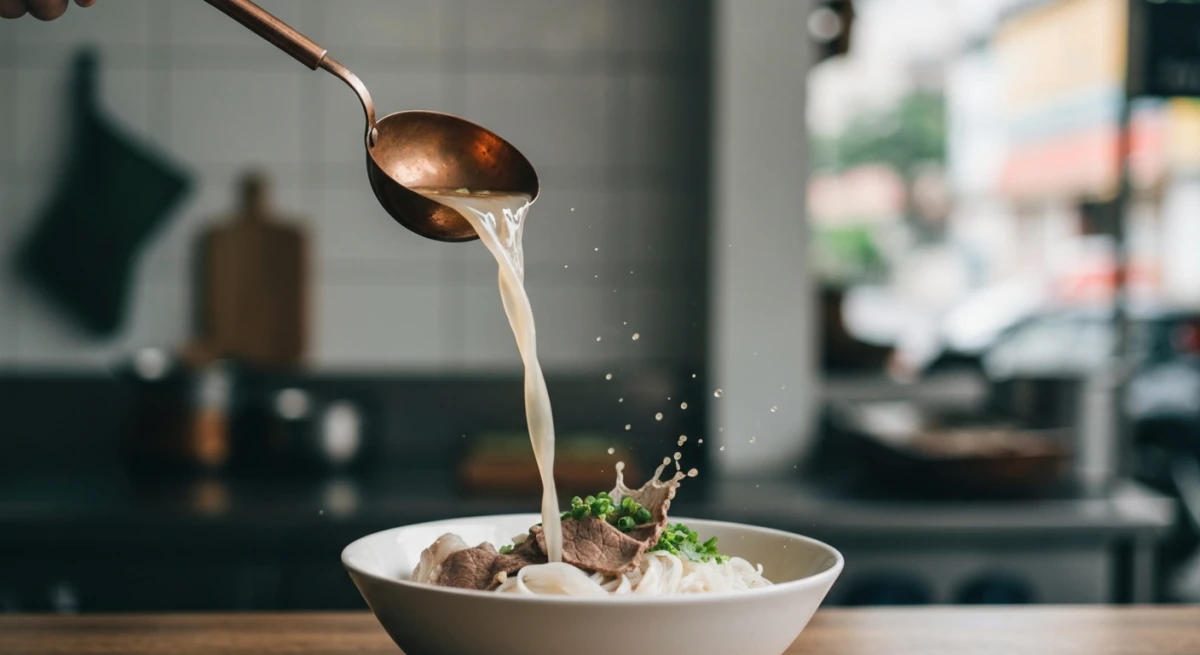
Phở is Vietnam’s national dish, but Hanoi is its undisputed spiritual home. Born in the Nam Định and Hanoi regions in the early 20th century under French colonial influence, northern-style Phở (Phở Bắc) is vastly different from its sweeter, southern counterpart. A true bowl of Hanoian Phở relies on a pristine, crystal-clear broth. Master cooks simmer beef bones (Phở Bò) or chicken carcasses (Phở Gà) for 12 to 24 hours, infusing the liquid with charred ginger, shallots, star anise, black cardamom, cinnamon, and cloves.
Unlike southern Phở, you will find no bean sprouts, basil, or hoisin sauce on a traditional Hanoian table. The focus remains entirely on the aromatic broth, delicate flat rice noodles, tender cuts of meat, and a generous scatter of fresh green onions and cilantro.
- How to eat like a local: Take a sip of the pure broth first to appreciate its complexity. Then, squeeze a small wedge of lime, add a couple of slices of fresh bird's eye chili, and—crucially for the northern style—add a splash of garlic-infused vinegar (giấm tỏi) sitting in the jar on the table. Order a side of quẩy (deep-fried dough sticks) to dip into the broth, letting them soak up the savory liquid like savory sponges.
- Where to try it:
- Phở Gia Truyền Bát Đàn (49 Bát Đàn, Cửa Đông, Hoàn Kiếm): Famous for its long morning queues, this historic shop serves a rich, deeply savory beef marrow broth with incredibly tender flank steak.
- Phở 10 Lý Quốc Sư (10 Lý Quốc Sư, Hàng Trống, Hoàn Kiếm): A Michelin Bib Gourmand recipient known for its highly consistent, exceptionally clean broth and premium cuts of beef.
- Phở Sướng (24B Ngõ Trung Yên, Hàng Bạc, Hoàn Kiếm): Tucked deep inside a narrow alleyway, this hidden gem serves a slightly sweeter, highly aromatic broth preferred by generational Hanoians.
2. Bún Chả: Charcoal-Grilled Pork Perfection
If Phở is Hanoi’s gentle morning whisper, Bún Chả is its sizzling, smoky lunchtime roar. Walk through the Old Quarter around 11:30 AM, and you will inevitably find yourself guided by plumes of fragrant white smoke rising from sidewalk grills. Bún Chả consists of two types of pork: caramelized ground pork patties (chả viên) and thin strips of pork belly (chả miếng), both marinated in fish sauce, sugar, garlic, and shallots before being grilled over red-hot charcoals.
The grilled meat is served submerged in a warm, diluted dipping sauce made of fish sauce, vinegar, sugar, water, and lime juice. Floating in the sauce are crunchy slices of pickled green papaya and carrots. Beside this savory bowl sits a plate of cold rice vermicelli noodles (bún) and an abundant mountain of fresh green herbs, including perilla (tía tô), Vietnamese balm, mint, lettuce, and coriander.
- How to eat like a local: Grab a small bunch of vermicelli noodles with your chopsticks and submerge them directly into the warm dipping sauce. Pluck a piece of smoky pork, pinch a few fresh herbs, and eat them all together in a single, balanced mouthful. The contrasting temperatures of the warm sauce, cold noodles, and crisp, fresh herbs create an incredible sensory experience.
- Where to try it:
- Bún Chả Hương Liên (24 Lê Văn Hưu, Phan Chu Trinh, Hai Bà Trưng): Universally known as the "Obama Bun Cha," this is where President Barack Obama and Anthony Bourdain famously dined on blue plastic stools in 2016. You can still order the "Combo Obama," which includes a cold Hanoi Beer and a giant crab spring roll.
- Bún Chả Đắc Kim (1 Hàng Mành, Hàng Gai, Hoàn Kiếm): Serving incredibly generous, rich, and intensely savory portions since 1966. Perfect for big appetites.
- Bún Chả Tuyết (34 Hàng Than, Nguyễn Trung Trực, Ba Đình): A beloved local favorite where the pork is exceptionally well-charred and the broth is perfectly balanced between sweet and sour.
3. Bánh Mì: Simple Northern Elegance
While the southern Vietnamese Bánh Mì is a towering masterpiece stuffed with a dozens of cold cuts, pickled daikon, and a jungle of fresh herbs, the traditional Hanoi Bánh Mì is a study in rustic minimalism. Hanoians prefer a lighter, crisper baguette that is heavily smeared with a rich, velvety pork liver pâté, a spread of homemade mayonnaise, thin slices of headcheese or char siu pork, a sprinkle of pork floss (ruốc), crisp cucumber slices, and a drizzle of local chili sauce.
The magic lies in the texture: the warm, crackly crust of the bread immediately giving way to the rich, savory depth of the pâté and the freshness of the cucumber.
- How to eat like a local: Do not ask for extra ingredients or heavy sauces. Let the simple, high-quality combination of pâté and crispy bread speak for itself. It is the ultimate grab-and-go breakfast or late-night street snack.
- Where to try it:
- Bánh Mì 25 (25 Hàng Cá, Hàng Bồ, Hoàn Kiếm): Highly popular with travelers for its incredibly fresh, warm bread, friendly service, and excellent range of traditional, modern, and vegetarian fillings.
- Bánh Mì Trâm / Đình Ngang (252 Cửa Nam, Hoàn Kiếm): Famous for its "Bánh Mì Sốt Vang"—a northern specialty where a warm, crispy baguette is served alongside a steaming bowl of French-inspired beef stew slow-cooked in a rich, red wine gravy.
- Bánh Mì Phố Cổ (38 Đinh Liệt, Hàng Bạc, Hoàn Kiếm): A classic, no-nonsense local stall serving exceptional traditional pâté sandwiches.
Elite Savory Dishes to Elevate Your Culinary Journey
Once you have mastered the basics, it is time to dive into the deeper, more complex culinary creations that define Hanoi’s diverse street food landscape.
4. Chả Cá Lăng: Sizzling Turmeric Fish with Dill
Chả Cá is so revered in Hanoi that an entire street in the Old Quarter was officially renamed after it. This dish is an interactive, theatrical dining experience. Diners are presented with a small, portable gas burner topped with a sizzling cast-iron skillet. Inside the pan are chunks of meaty Hemibagrus (cá lăng) fish, previously marinated in turmeric, galangal, ginger, and fermented rice.
As the fish sizzles in the oil, the server (or you) piles a massive mound of fresh dill (thì là) and green spring onions into the pan. Once the herbs wilt, you assemble your dish in a small bowl: start with a bed of cold rice vermicelli, add a piece of succulent yellow fish, pile on the fragrant wilted greens, scatter some roasted peanuts, and top it all with a drizzle of mắm tôm (fermented shrimp paste) mixed with lime juice, sugar, and chili until frothy.
- A Note on Mắm Tôm: This pungent, fermented purple shrimp paste is highly divisive due to its intense aroma. If you are hesitant, you can ask for nước mắm (clear fish sauce) instead, but trying mắm tôm at least once is an essential part of the authentic dish.
- Where to try it:
- Chả Cá Lã Vọng (14 Chả Cá, Hàng Bồ, Hoàn Kiếm): The historic, original restaurant that invented the dish over a century ago. It is rustic, dark, and full of old-world charm.
- Chả Cá Thăng Long (19-21-31 Đường Thành, Cửa Đông, Hoàn Kiếm): Spanning multiple clean, modern buildings on the same street, this is the definitive local favorite. The fish is incredibly tender, and the staff is highly skilled at guiding first-timers through the cooking process.
5. Bánh Cuốn: Steamed Rice Crepes
If you want to watch a culinary master at work, pull up a stool in front of a busy Bánh Cuốn stall. The cook uses a ladle to spread a thin layer of fermented rice batter onto a taut piece of white cloth stretched over a giant pot of boiling water. A lid is placed over it, steaming the batter into a delicate, translucent sheet in mere seconds. Using a long, flat bamboo stick, the cook lifts the fragile crepe, fills it with a seasoned mixture of minced wood-ear mushrooms and pork, and rolls it up neatly.
The hot rolls are cut into bite-sized pieces, showered with golden, crispy fried shallots, and served with a side of chả lụa (Vietnamese pork sausage) or grilled pork. The dipping sauce is warm, sweet, sour, and seasoned to perfection.
- The Secret Culinary Ingredient: True Hanoians often ask for a single drop of cà cuống—the natural essence of a giant water bug—added to their dipping sauce. It imparts a completely unique, highly prized herbal aroma that mimics the scent of fresh pear or cinnamon.
- Where to try it:
- Bánh Cuốn Gia Truyền Thanh Vân (14 Hàng Gà, Hàng Bồ, Hoàn Kiếm): A legendary stall where you can watch the steam crepes made live on the sidewalk. They offer fillings ranging from pork and chicken to shrimp.
- Bánh Cuốn Bà Hoành (66 Tô Hiến Thành, Bùi Thị Xuân, Hai Bà Trưng): Famous for its rustic, layered rice sheets that are served exceptionally cold with incredibly hot, charred grilled pork on the side.
6. Bún Riêu Cua: The Tangy, Savory Crab & Tomato Noodle Soup
Bún Riêu Cua is a spectacular, complex noodle soup that highlights northern Vietnam's love for freshwater ingredients. The soul of this dish is its deep red broth, made from simmered pork bones, fried tomatoes, tamarind, and dấm bỗng (a sour rice wine vinegar). The characteristic element is riêu cua—a rich, fluffy paste made from pounded freshwater paddy crabs, which float on top of the boiling cauldron like savory clouds.
A bowl of Bún Riêu is packed with texture: soft rice vermicelli noodles, deep-fried tofu puffs that absorb the sour broth, tender beef slices, Vietnamese ham, and sometimes large freshwater snails (ốc). It is served with a mountain of finely shredded banana blossom, wild betel leaves, and fresh herbs.
- Where to try it:
- Bún Riêu Cua Hàng Bạc (11 Hàng Bạc, Hàng Buồm, Hoàn Kiếm): A tiny, unassuming shop with just a few stools on the sidewalk. Their broth is incredibly tangy and perfectly represents old Hanoi flavor.
- Bún Riêu Trang (23 Nguyễn Siêu, Hàng Buồm, Hoàn Kiếm): Well-known for its incredibly fresh, large, crunchy paddy snails and deeply flavorful crab paste.
7. Bún Bò Nam Bộ: The Refreshing Dry Noodle Salad
Although its name literally translates to "Southern-style beef noodles," Bún Bò Nam Bộ is a dish that was perfected and popularized on the streets of Hanoi. Perfect for warm, humid days when a steaming bowl of hot broth feels overwhelming, this is a "dry" noodle dish.
It features cold rice vermicelli noodles topped with tender, thinly sliced beef that has been stir-fried quickly with garlic, lemongrass, and onions. The bowl is piled high with crunchy bean sprouts, pickled green papaya, fresh herbs, crispy fried shallots, and a generous handful of crushed roasted peanuts. Before eating, a warm, sweet, sour, and savory fish-sauce-based dressing is poured over the bowl, which you toss together like a salad.
- Where to try it:
- Nhà Hàng Bách Phương (67 Hàng Điếu, Cửa Đông, Hoàn Kiếm): Widely considered the gold standard for this dish in Hanoi. It is busy, efficient, and serves a consistently delicious bowl packed with savory garlic beef.
Street Side Snacking & Sweet Delights
No culinary journey through Hanoi is complete without exploring the city's unique drinks, quick bites, and afternoon snacks that fill the gap between lunch and dinner.
8. Cà Phê Trứng (Egg Coffee): Hanoi’s Custard-Like Legend
Do not leave Hanoi without trying its most famous liquid creation: Cà Phê Trứng. This legendary beverage was invented in 1946 by Nguyen Giang, a former bartender at the historic Sofitel Legend Metropole Hanoi hotel. Due to a severe milk shortage during the First Indochina War, Giang creatively substituted condensed milk and fresh milk with whisked egg yolks.
The result was spectacular. A double shot of strong, bitter Vietnamese robusta espresso is topped with a thick, velvety meringue-like layer of egg yolk whipped with condensed milk, honey, and vanilla. It is thick, creamy, and sweet—resembling a warm liquid tiramisu or liquid custard.
- How to drink it: Do not stir the entire cup immediately. Use the small spoon provided to eat some of the sweet, custard-like egg foam first. Then, gently swirl the remaining foam into the dark coffee beneath, allowing the bitter espresso to cut through the rich sweetness.
- Where to try it:
- Cafe Giảng (39 Nguyễn Hữu Huân, Lý Thái Tổ, Hoàn Kiếm): The birthplace of the drink. Hidden down a long, narrow hallway that opens into a multi-story rustic café filled with low wooden tables and tiny stools.
- Cafe Đinh (13 Đinh Tiên Hoàng, Hàng Trống, Hoàn Kiếm): Run by Nguyen Giang's daughter, this tiny, vintage second-floor café offers a gritty, incredibly authentic atmosphere and a stunning view of Hoan Kiem Lake.
- Phố Cổ Cafe (11 Hàng Gai, Hàng Trống, Hoàn Kiếm): Hidden behind a silk shop, you walk through a beautiful courtyard and climb spiral staircases to reach a rooftop view overlooking the lake.
9. Nộm Thịt Bò Khô: Crisp Papaya Salad with Sweet-Spicy Jerky
This is the ultimate afternoon street snack for young Hanoians. It consists of a large mound of finely shredded green papaya and carrots, tossed with aromatic herbs like Vietnamese coriander and mint. The star of the show is the variety of dried beef toppings: sweet and chewy beef jerky, savory beef lung, and thinly sliced liver. The salad is drizzled with a sweet, sour, and spicy vinegar dressing and finished with a handful of roasted peanuts.
- Where to try it:
- Nộm Long Vi Dung (23 Hồ Hoàn Kiếm, Hàng Bạc, Hoàn Kiếm): Located on a tiny street right next to Hoan Kiem Lake, this bustling open-air stall serves the most popular and highly rated version in the city.
10. Bánh Gối & Nem Rán: Golden-Fried Street Side Comforts
When the winter wind blows through Hanoi, locals seek out deep-fried comfort foods. Bánh Gối (which translates to "pillow cake" due to its crescent shape) is a pastry filled with minced pork, wood-ear mushrooms, glass noodles, and a tiny quail egg, wrapped in a pastry shell and fried until golden brown. Nem Rán (crispy northern-style spring rolls) are wrapped in thin rice paper and fried to crispy perfection. Both are cut into bite-sized pieces and served with a sweet-sour-spicy dipping sauce and fresh herbs.
- Where to try it:
- Quán Gốc Đa (52 Lý Quốc Sư, Hàng Trống, Hoàn Kiếm): Situated under a massive, ancient banyan tree, this famous stall serves a massive variety of traditional fried fritters, spring rolls, and pillow cakes.
The Ultimate Hanoi Street Food Survival Guide
Eating street food in Hanoi is an art form that requires a bit of practical know-how. Use these professional tips to navigate the sidewalk food stalls safely and confidently:
- Embrace the Plastic Stool Culture: To eat the best food in Hanoi, you must cast aside your expectations of formal dining. The absolute best culinary gems in the city are served on low, miniature red or blue plastic stools spilling onto busy sidewalks. It may feel tight, but it is the most authentic way to experience local life.
- Follow the Crowds (Specifically the Locals): If you see a street stall packed with local Hanoians, pull up a stool immediately. High customer turnover guarantees that the ingredients are exceptionally fresh, and the food has not been sitting out for hours.
- Learn the Table Condiment System: Hanoians love personalizing their bowls. Every table features a small tray containing fresh limes, red-hot bird's eye chilies, chili sauce, and jars of garlic vinegar (giấm tỏi). Taste your broth first, then add these elements sparingly to balance the flavor to your personal preference.
- Drink Safe local Beverages: Tap water is not safe to drink in Vietnam. Stick to bottled water, but feel free to enjoy the local side drinks. Order a cold Trà Đá (iced green tea) for a few pennies, a refreshing fresh-pressed Nước Mía (sugarcane juice with lime), or a warm Sữa Đậu Nành (fresh soy milk) to wash down your savory meals.
- Look for specialization: The best street food stalls in Hanoi do not have five-page menus. They do one thing, and they have spent generations perfecting that single dish. Avoid places that offer Pho, Bun Cha, and Pizza all on the same menu.
FAQ: Essential Hanoi Street Food Questions Answered
Is street food in Hanoi safe for tourists?
Yes, street food in Hanoi is generally safe. To minimize any risk of an upset stomach, choose busy stalls with high customer turnover, ensure your food (especially meats and broths) is served steaming hot, and stick to bottled water. The ice used in busy Old Quarter establishments is commercially produced from purified water and is safe to consume.
What are the main differences between Hanoi and Saigon cuisine?
Hanoi food (Northern) is subtle, balanced, delicate, and savory, with minimal sweetness and a reliance on clear, clean broths. Saigon food (Southern) is bolder, sweeter, uses significantly more fresh chilies, coconut milk, and is accompanied by massive plates of raw herbs and sweet dipping sauces.
How much does street food cost in Hanoi?
Street food in Hanoi is incredibly affordable. A high-quality bowl of Phở, a generous plate of Bún Chả, or a fresh Bánh Mì will typically cost between 30,000 VND and 70,000 VND (approximately $1.20 to $2.80 USD), making it one of the most budget-friendly culinary destinations in the world.
What is the most famous food in Hanoi?
While Phở is the most internationally famous Vietnamese dish, Bún Chả (the charcoal-grilled pork noodle dish made globally famous by Barack Obama and Anthony Bourdain) and Egg Coffee are the two most uniquely legendary culinary creations synonymous with Hanoi specifically.
A Culinary Pilgrimage Worth Taking
Hanoi is a city that reveals its true self through its food. By stepping out of comfortable hotel lobbies and onto the chaotic, vibrant sidewalks of the Old Quarter, you will discover a culinary heritage built on simplicity, refinement, and centuries of tradition. Whether you are sipping a perfectly balanced beef broth at Bát Đàn, eating smoky pork patties amidst the charcoal fog of a local alleyway, or spooning sweet egg custard over a bitter robusta coffee, you are participating in a daily culinary ritual that has defined this city for generations. Go with an open mind, follow your senses, and embrace the beautiful chaos of the ultimate Hanoi food adventure.