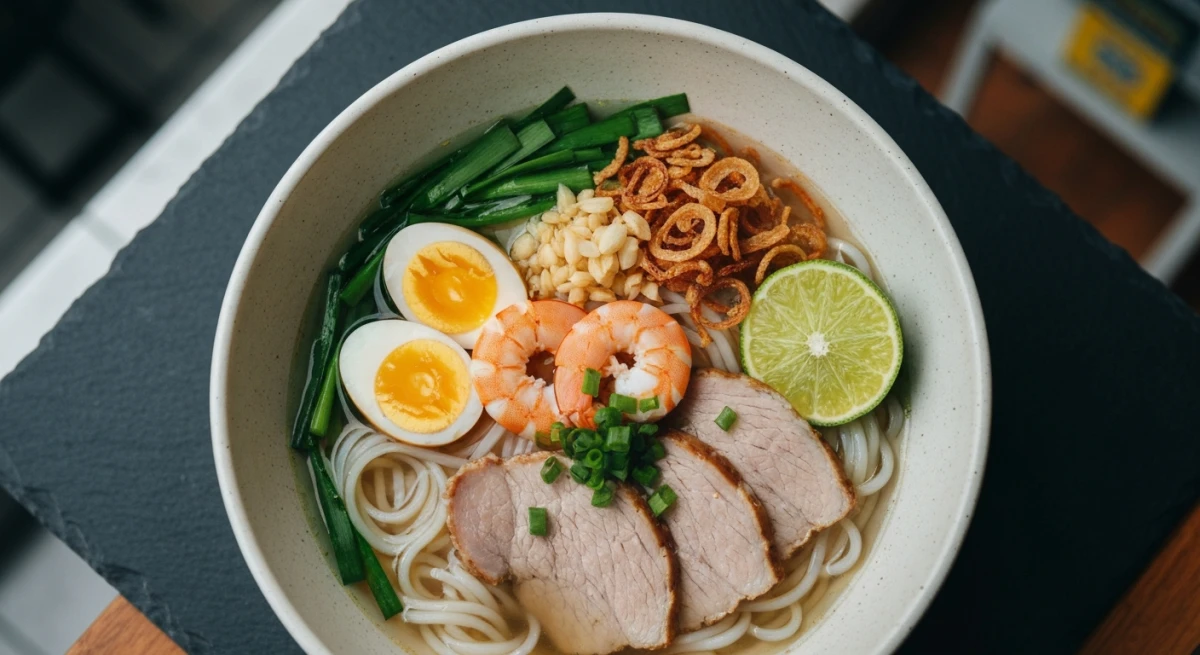
If you are planning a trip to Vietnam’s capital, finding authentic hanoi local food is likely at the top of your bucket list. The streets of Hanoi’s Old Quarter are a sensory whirlwind of sizzling charcoal grills, bubbling cauldrons of bone broth, and the lively chatter of locals perched on tiny plastic stools. But with thousands of street-side stalls, how do you separate the genuine culinary gems from the watered-down tourist traps? This ultimate guide is designed to help you navigate Hanoi’s rich, thousand-year-old food culture, highlighting the dishes you must try and the exact hidden spots where locals eat.
Unlike the sweet, herb-heavy dishes of Ho Chi Minh City or the fiery, intensely spiced bowls of Central Vietnam, Northern Vietnamese cuisine is defined by subtlety, balance, and clean, savory profiles. It relies heavily on black pepper, fresh ginger, dill, and mild vinegar to enhance—rather than mask—the natural flavors of the ingredients. Let's dive into the absolute best hanoi local food experiences you can have in the capital.
The Soul of Hanoi: Traditional Noodle Soups
Hanoian cuisine is built on a foundation of meticulously prepared noodle soups, each with its own complex history and delicate flavor profile. Here are the absolute must-try soups:
1. Phở Bò & Phở Gà (Beef and Chicken Noodle Soup)
No discussion of hanoi local food is complete without phở. While the dish originated in the nearby province of Nam Dinh, it was refined into an art form within the narrow streets of Hanoi. Hanoian pho is fundamentally different from its Southern counterpart. In the South, pho is served with a sweeter broth, thick bean sprouts, fresh basil, and a squeeze of hoisin sauce. In Hanoi, such additions are considered a distraction. Here, the focus is on a crystal-clear, intensely savory beef broth simmered for 12 to 18 hours with beef marrow bones, charred ginger, shallots, star anise, cinnamon, and black cardamom.
- Phở Thìn Bờ Hồ (61 Đinh Tiên Hoàng): Tucked away in a narrow alleyway facing Hoan Kiem Lake, this multi-generational stall is famous for Phở Tái Lăn. Instead of dropping raw beef directly into the hot broth, the cook quickly sears the beef in a flaming-hot wok with garlic and lard before adding it to your bowl. This technique infuses the broth with a smoky, garlicky richness.
- Phở Gà Nguyệt (5b Phủ Doãn): If you prefer poultry, this Michelin-recommended spot is legendary. You can order the traditional noodle soup (phở nước) or the dry version (phở trộn), where the flat rice noodles are tossed in a savory soy-based sauce and topped with succulent shredded chicken, fresh herbs, crispy fried shallots, and roasted peanuts.
Pro Tip: To eat like a true local, order a side of quẩy (crispy fried dough sticks). Dunk them into the broth until they are partially softened but still retain a bit of crunch.
2. Bún Riêu Cua (Freshwater Crab Noodle Soup)
While pho gets all the international fame, bún riêu cua is the dish that many Hanoians miss most when they travel abroad. This vibrant soup features a light, slightly tart broth made from tomatoes, rice wine dregs (giấm bỗng), and pounded freshwater crabs. The crab meat forms soft, cloud-like rafts floating on the surface of the soup alongside golden fried tofu cubes and blood pudding (huyết).
- Bún Riêu Cua Hàng Bạc (11 Hàng Bạc): A tiny, unassuming shop in the heart of the Old Quarter. Sit on a low stool on the sidewalk and watch the owner assemble your bowl with absolute speed and precision. The broth here is perfectly balanced—sweet from the crab, tangy from the fermented rice dregs, and savory from a dash of fish sauce.
3. Bún Thang (The Elegant Hanoi Noodle Soup)
Bún thang is the most sophisticated and visually stunning noodle soup in Hanoi's culinary repertoire. Historically, it was created by Hanoian housewives as a clever way to utilize leftovers after the Lunar New Year (Tet) celebrations. The dish requires incredible patience and knife skills: shredded chicken breast, thinly sliced egg crepes, shredded pork sausage (giò lụa), and pickled radish are arranged in neat, colorful sectors over thin rice vermicelli noodles. The broth—made from chicken bones, pork bones, and dried shrimp—is completely clear and has a subtle, sweet finish.
- Bún Thang Bà Đức (48 Cầu Gỗ): Located on a bustling street near the lake, this family-run eatery has been serving classic bún thang for decades. For the ultimate authentic experience, ask the vendor to add a tiny drop of cà cuống (giant water bug pheromone essence), which gives the broth a uniquely aromatic, slightly floral fragrance.
Fire, Smoke, and Sizzle: Hanoi’s Iconic Charcoal-Grilled Specialties
Walking through the Old Quarter around midday, you will inevitably be guided by the sweet, smoky aroma of pork grilling over open charcoal. Northern Vietnamese grilled dishes are intensely aromatic, making them central to the local food experience.
4. Bún Chả (Charcoal-Grilled Pork with Rice Noodles)
If pho is Hanoi's national dish, bún chả is its lunchtime obsession. This dish consists of charcoal-grilled pork patties (chả viên) and thin slices of fatty pork belly (chả miếng) submerged in a warm, diluted dipping sauce made from fish sauce, sugar, vinegar, and lime juice. The bowl is garnished with crunchy slices of green papaya and carrot. It is served with a plate of cold rice noodles (bún) and an absolute mountain of fresh herbs, including perilla, Vietnamese balm (kinh giới), coriander, and lettuce.
- Bún Chả Hàng Quạt (Lane 74, Hàng Quạt Street): Skip the overly commercialized spots and head to this tiny alleyway. The grill master stands at the entrance of the lane, enveloping the street in delicious, caramelized smoke. The pork here is deeply marinated, exceptionally tender, and has a perfect char that melts in your mouth.
- Bún Chả Hương Liên (24 Lê Văn Hưu): Famously known as the "Obama Bun Cha," this is where the former US President and Anthony Bourdain shared a meal in 2016. While it is now a bustling tourist landmark, the quality remains exceptionally high. Order the "Obama Combo" which includes a bowl of bún chả, a crispy fried seafood spring roll (nem hải sản), and a cold Hanoi Beer.
5. Chả Cá Lã Vọng (Turmeric Dill Fish)
Dating back over a century, chả cá is so famous that a street in the Old Quarter was officially renamed after it (Chả Cá Street). The dish features chunks of firm river fish marinated in a mixture of turmeric, galangal, ginger, and fermented rice dregs. The magic of this meal lies in the tabletop theater: a small brass or iron pan filled with sizzling oil is brought to your table, and a mountain of fresh dill and green scallions is tossed in right before your eyes.
- Chả Cá Thăng Long (6B Đường Thành): While the original restaurant on Cha Ca Street is historic, many locals prefer Cha Ca Thang Long for its superior fish quality, cleaner dining environment, and consistently excellent seasoning.
How to eat it: In your personal bowl, combine a handful of cold rice vermicelli, roasted peanuts, fresh herbs, a piece of sizzling turmeric fish, and some wilted dill. Drizzle a spoonful of hot oil from the pan and a splash of mắm tôm (fermented shrimp paste) that has been whipped with lime juice and sugar until frothy. The combination of earthy turmeric, sweet dill, and pungent shrimp paste is unforgettable.
6. Bún Đậu Mắm Tôm (Tofu, Pork, and Noodle Platter with Fermented Shrimp Paste)
This is the ultimate culinary litmus test for visitors. Bún đậu mắm tôm is a rustic platter featuring deep-fried tofu cubes (crispy on the outside, silky and steaming on the inside), boiled pork leg slices, chả cốm (fried green rice patties), and squares of pressed rice vermicelli. The entire platter is designed to be dipped into mắm tôm—a thick, purple, highly fermented shrimp paste with an incredibly strong aroma.
- Bún Đậu Hương (55 Ngõ Phất Lộc): Tucked inside one of the Old Quarter’s most atmospheric alleyways, this spot is packed daily with locals. The key to enjoying this dish is mastering the dipping sauce: squeeze a fresh kumquat into your bowl of mắm tôm, add a pinch of sugar and chopped chili, and whip it vigorously with your chopsticks until a thick, violet froth covers the surface.
Crispy, Steamed, and Rolled: Grab-and-Go Street Eats
Hanoi's snack culture is diverse and accessible, offering a wide range of texture-rich bites perfect for fuel between sightseeing stops.
7. Bánh Mì Sốt Vang (Beef Stew Bánh Mì)
While the classic, pate-stuffed bánh mì sandwich is highly popular, Hanoi has a unique variation that is particularly beloved during the cooler winter months: Bánh Mì Sốt Vang. Influenced by French beef bourguignon, this dish features a rich, deep-red beef stew simmered with red wine, cinnamon, star anise, and five-spice powder. The stew is packed with tender chunks of beef flank and tendon, garnished with fresh cilantro.
- Bánh Mì Trâm (252 Cửa Nam): A legendary spot that has been serving this warming dish for decades. You are served a piping hot bowl of stew and a freshly baked, ultra-crispy, hollow-centered baguette. Rip off a piece of the warm bread, dunk it deep into the thick gravy, and scoop up a tender piece of beef. It’s comforting, aromatic, and deeply satisfying.
8. Bánh Cuốn (Steamed Rice Crepes)
For a lighter, delicate breakfast or late-night snack, bánh cuốn is the perfect choice. The process of making it is mesmerizing: a thin batter of fermented rice flour is poured over a taut cloth stretched over a pot of boiling water. Within seconds, the chef lifts the paper-thin sheet with a bamboo stick, fills it with minced pork and wood-ear mushrooms, rolls it up, and snips it into bite-sized pieces. It is topped with a generous handful of crispy fried shallots.
- Bánh Cuốn Gia Truyền Thanh Vân (14 Hàng Gà): Known for its delicate, paper-thin crepes and high-quality ingredients. Order it alongside chả quế (cinnamon pork roll) and dip the crepes into the warm, sweet-savory fish sauce bowl.
9. Nộm Bò Khô (Spicy Cured Beef Salad)
If you need a refreshing palate cleanser that still packs a punch, head to Hoan Kiem Lake for a bowl of nộm bò khô. This popular street salad features finely shredded green papaya and carrots, tossed with thin slices of sweet-and-spicy dried beef jerky, chewy beef lung, roasted peanuts, and a blend of fresh herbs (perilla, mint, and Vietnamese balm). The salad is dressed in a tangy, sweet, and spicy vinegar-based sauce.
- Nộm Thịt Bò Khô Long Vĩ Dung (23 Hồ Hoàn Kiếm): Situated right across the street from the lake, this is the most famous spot in town. It’s noisy, fast-paced, and offers the perfect viewpoint for people-watching while enjoying a crunchy, spicy snack.
Sweet Sips and Street Drafts: The Drinks That Define Hanoi
No culinary journey through Hanoi is complete without diving into its legendary beverage culture, which ranges from high-energy street corners to quiet, tucked-away cafes.
10. Cà Phê Trứng (Egg Coffee)
In the 1940s, during a severe milk shortage caused by the war, a creative bartender named Mr. Nguyen Van Giang decided to whisk egg yolks as a substitute for condensed milk. The result was cà phê trưng, a drink that has since become a globally recognized symbol of Hanoi. The egg yolk is whipped vigorously with sweetened condensed milk and honey until it transforms into a thick, velvety custard, which is then poured over a shot of strong, hot Vietnamese robusta coffee.
- Cà Phê Giảng (39 Nguyễn Hữu Huân): The birthplace of the drink. Walk down the long, narrow alleyway to find a hidden garden cafe packed with tourists and locals alike. Drink it with a small spoon, scooping up the rich custard foam before mixing it with the dark coffee beneath.
- Cà Phê Đinh (13 Đinh Tiên Hoàng): Run by Mr. Giang's daughter, this rustic, second-floor vintage cafe is hidden behind a handbag shop. It offers a much more local, nostalgic atmosphere with a small balcony overlooking the lake.
11. Bia Hơi (Fresh Street Draft Beer)
As the sun begins to set, the streets of Hanoi transform into a massive outdoor social hub centered around Bia Hơi. This light, unpasteurized draft beer is brewed daily, delivered in stainless steel kegs, and contains only around 3% alcohol. Because it has no preservatives, it must be consumed within 24 hours. At roughly 10,000 to 15,000 VND (around $0.40 to $0.60 USD) per glass, it is widely considered the cheapest beer in the world.
- The Bia Hơi Junction (Corner of Tạ Hiện and Lương Ngọc Quyến): The absolute epicenter of Hanoi’s nightlife. While Ta Hien is incredibly touristy and loud, walking just a few blocks away into the quieter residential streets of the Old Quarter will lead you to authentic neighborhood bia hơi stalls. Sit down on a blue plastic stool, order a plate of roasted peanuts (lạc luộc) or fried spring rolls (nem chua rán), and toast with the locals.
The Unwritten Rules of Dining Like a Hanoi Local
To truly appreciate hanoi local food, you must understand the cultural etiquette and unwritten habits of the city’s dining scene. Street dining in Vietnam is highly specialized and follows its own rhythm.
- Master the Condiment Chemistry: Every noodle stall has a tray of condiments. Knowing how to use them is the key to unlocking the ultimate flavor profile.
- Beef Pho: Season only with homemade garlic vinegar (giấm tỏi) and fresh red chilies. Avoid lime, as the citric acid can clash with the delicate beef bone broth.
- Chicken Pho: Season with fresh lime juice (chanh), as the citrus notes beautifully complement the lighter poultry flavors.
- Dry Noodles: Add a dash of soy sauce and a spoonful of sweet chili sauce.
- Embrace the Tiny Stools (Ghế Nhựa): You will spend a significant amount of time sitting on small plastic stools that are barely a foot off the ground. Embrace this. It keeps you close to the sidewalk action and is an essential part of the communal, egalitarian nature of Vietnamese street food culture.
- Follow the Food Clock: In Hanoi, street food stalls are hyper-specialized. A shop that serves world-class bún chả at lunch will close by 2:00 PM, and a different vendor might occupy the same physical space to sell sweet desserts at night. Plan your day around these natural culinary shifts: Pho is traditionally eaten for breakfast or late-night; Bun Cha and Bun Dau are strictly lunch dishes; Hot pot (lẩu) and grilled meats are reserved for dinner.
Hanoi Local Food FAQ
Is street food in Hanoi safe for sensitive stomachs?
Yes, Hanoi’s street food is generally very safe, provided you follow a few simple rules. Look for stalls that have a high turnover of local customers—this ensures that the ingredients are fresh and haven't been sitting out. Choose cooked-to-order dishes that are served piping hot. Tap water in Hanoi is not safe to drink, but the ice (đá) used in cafes and restaurants is commercially produced and safe. If you have a highly sensitive stomach, stick to busier, well-established spots.
Are there vegetarian options in Hanoi?
While traditional northern cuisine is meat-heavy, Hanoi has a thriving vegetarian and vegan scene, driven by Buddhist traditions. Look for the word Chay (vegetarian) on signs. Stalls serving Cơm Chay (vegetarian buffet-style rice) are common and highly affordable. For an upscale vegetarian dining experience, check out Ưu Đàm Chay or Sadhu Vegetarian Restaurant, which serve creative, meat-free interpretations of traditional Vietnamese classics.
How much does street food cost in Hanoi?
Hanoi is incredibly budget-friendly. A hearty bowl of pho or bun cha at an authentic local stall typically costs between 40,000 and 70,000 VND ($1.60 to $2.80 USD). Snacks like banh mi or sweet desserts cost around 20,000 to 40,000 VND ($0.80 to $1.60 USD). Even a high-end meal like Chả Cá Lã Vọng will only cost around 150,000 to 200,000 VND ($6.00 to $8.00 USD) per person.
Do I need cash to buy local street food?
Yes. While many modern cafes and restaurants accept credit cards, and locals use QR code mobile banking apps (VietQR) for almost everything, small-scale street vendors and traditional market stalls still heavily rely on cash. Always carry a stash of small-denomination bills (10,000, 20,000, and 50,000 VND notes) when exploring the food scene, as vendors may not have change for large 500,000 VND notes.
Conclusion
Hanoi's local food scene is a magnificent, living museum of culinary tradition. By bypassing the flashy tourist restaurants and joining the locals on the sidewalk, you will experience the true heart and soul of this ancient city. From the delicate, slow-simmered broth of a morning bowl of pho to the smoky, charcoal-grilled goodness of midday bun cha, every bite tells a story of resilience, creativity, and passion. Pack your appetite, leave your comfort zone behind, and embark on a food journey that you will remember for a lifetime.




