
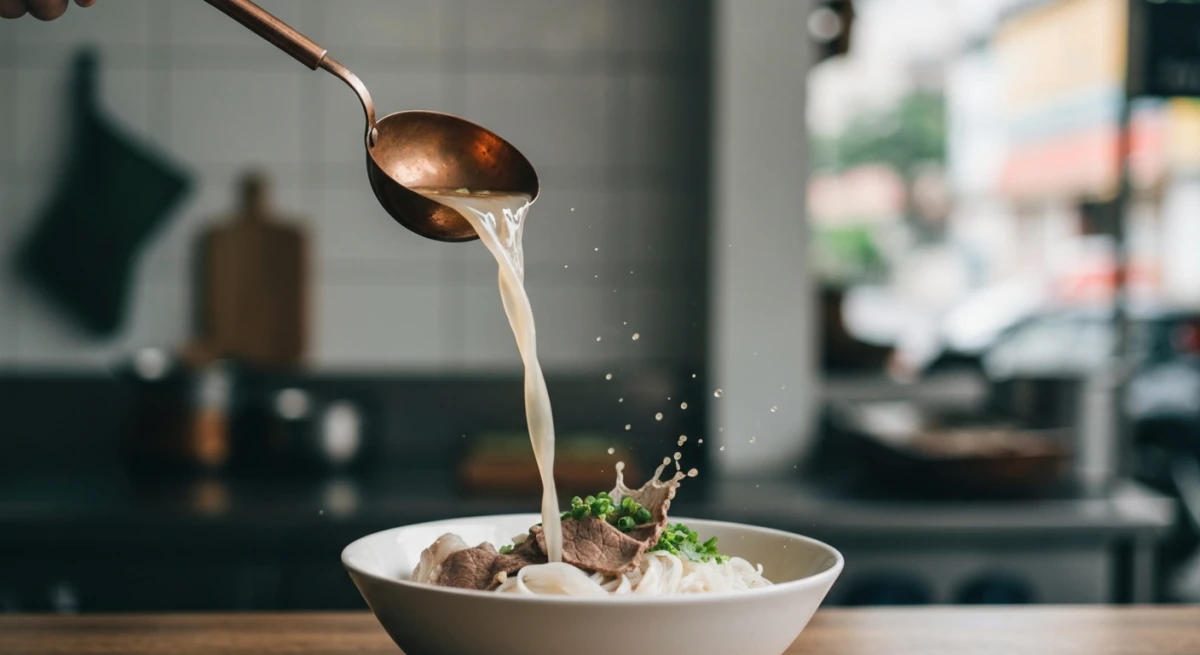
Hanoi is a sensory masterpiece, a city where ancient history and modern energy collide in a beautiful, chaotic symphony. The moment you step into the labyrinthine alleys of the historic Old Quarter, your senses are instantly captivated. The air is thick with the sweet, smoky scent of charcoal-grilled pork, the sharp aroma of freshly torn mint and perilla, and the comforting, spiced steam of beef bones simmering for hours in giant metal pots. To truly understand this culinary capital, you cannot simply eat at tourist-friendly restaurants. You have to dive headfirst into the street food culture. That is where booking one of the best hanoi food tasting tours becomes the single most rewarding decision you can make for your trip.\n\nFor first-time visitors and seasoned foodies alike, Hanoi's food scene can be as intimidating as its famous traffic. Thousands of tiny sidewalk stalls, hidden alleyways, and unmarked doorway stairs lead to legendary family run kitchens. How do you find them? How do you know what to order? How do you navigate dietary restrictions? In this comprehensive guide, we will break down everything you need to know about Hanoi food tasting tours, from the iconic dishes you will taste to the logistics of choosing the perfect itinerary for your travel style.\n\n## 1. The Soul of Hanoi Street Food: History, Sidewalks, and Small Stools\n\nTo appreciate Hanoi's food, one must first understand its complex, layered history. Hanoi’s culinary identity is a living tapestry woven over a thousand years of Chinese domination, nearly a century of French colonial rule, and decades of resilient adaptation through wartime scarcity. Unlike the sweet, herb-laden, and coconut-infused flavors of Southern Vietnam, Northern Vietnamese cuisine is defined by subtlety, balance, and deep respect for the pure essence of raw ingredients. It is a philosophy heavily influenced by the principles of Yin and Yang—balancing hot and cooling ingredients, textures, and flavors to create harmony in every bite.\n\nFrench colonialism left an indelible mark on Hanoi's kitchens. It introduced the baguette, which locals transformed into the legendary bánh mì, and inspired the creation of phở by marrying French beef-broth techniques with traditional Vietnamese rice noodles. Chinese influence brought stir-frying, soy-based sauces, and complex spice blends like star anise, cinnamon, and black cardamom, which form the aromatic spine of Hanoi’s famous soups.\n\nHowever, the real magic of Hanoi’s food culture does not happen inside dining rooms with white tablecloths. It happens on the sidewalks. In Hanoi, street food is a lifestyle. It is an egalitarian space where office workers in crisp suits, students, and elderly locals sit side-by-side on low, colorful plastic stools (ghế nhựa) just inches away from the roar of motorbike traffic. This informal, high-energy environment is where community and culinary art merge. When you join a food tasting tour, you do not just observe this lifestyle—you become an active participant in it.\n\n## 2. What You Will Taste: The Definitive Hanoi Food Tasting Tour Menu\n\nWhile every tour operator curates their own unique route, a premium food tasting tour is designed as a multi-course progression. It systematically guides you through light, delicate appetizers to hearty, savory mains, and finally to rich, sweet desserts. Here are the non-negotiable dishes that define an authentic Hanoi culinary journey:\n\n### Phở Bò & Phở Gà (The Northern Noodle Standard)\nWhile phở is served worldwide, tasting it in its birthplace of Northern Vietnam is an eye-opening revelation. Unlike the southern version, which is served with sweet hoisin sauce, Sriracha, and a forest of fresh bean sprouts, Northern phở is elegant and minimalist. The broth is the undisputed hero. For Phở Bò (beef noodle soup), beef bones are simmered with charred ginger, onions, cinnamon, and star anise for up to twelve hours. The resulting broth is crystal clear, intensely savory, and deeply aromatic. It is poured over tender, flat rice noodles and thin slices of beef, then finished with a handful of fresh green scallions. To eat it like a local, add a squeeze of fresh lime, a few slices of bird's eye chili, or a splash of garlic-infused rice vinegar.\n\n### Bún Chả (Charcoal-Grilled Pork Noodles)\nMade globally famous when late culinary legend Anthony Bourdain shared a meal with President Barack Obama in Hanoi, bún chả is the ultimate lunchtime comfort food. This dish is a multi-sensory masterpiece. The process starts with seasoned pork patties and succulent slices of pork belly grilled over glowing red charcoal embers, filling the street with an irresistible smoky aroma. The grilled pork is served swimming in a warm, light, sweet-and-sour dipping sauce made from fish sauce, sugar, vinegar, and lime juice, garnished with crunchy slices of green papaya and carrot. You receive this alongside a plate of cold vermicelli rice noodles (bún) and a massive basket of fresh herbs (including perilla, Vietnamese balm, mint, and cilantro). To eat, you dip a bite-sized portion of noodles and fresh herbs directly into the warm pork broth and enjoy the perfect balance of smoky, sweet, sour, and fresh flavors.\n\n### Bánh Mì Hải Phòng or Bánh Mì Pate (The French-Vietnamese Fusion)\nWhile Southern bánh mì is a towering sandwich stuffed to the brim with various cold cuts, pickles, and heavy mayonnaise, Hanoi's traditional bánh mì is a study in texture and simplicity. Hanoi bakers produce baguettes that are incredibly crispy on the outside, light, and airy on the inside. The classic local preparation features a generous smear of rich, artisanal pork liver pate, salted butter, a sprinkle of savory pork floss (ruốc), cucumber slices, fresh coriander, and a drizzle of local hot sauce. Each bite is a satisfying crunch that yields to creamy, savory richness.\n\n### Bánh Cuốn (Steamed Rice Rolls)\nWatching a master street food artisan prepare bánh cuốn is a hypnotic experience. Using a large pot covered with a taut piece of fabric, the chef pours a ladle of fermented rice flour batter onto the cloth, spreading it into a razor-thin circle. Within seconds, steam cooks the batter into a translucent sheet. Using a thin bamboo stick, the chef lifts the delicate sheet, fills it with a seasoned mixture of minced pork and wood ear mushrooms, rolls it up, and tops it with crispy fried shallots. It is served with a light dipping sauce and slices of chả lụa (Vietnamese pork sausage). The texture is incredibly soft, light, and comforting.\n\n### Chả Cá Lã Vọng (Turmeric Dill Fish)\nOriginating from a single historic street in the Old Quarter (now officially renamed Chả Cá Street), this dish is a theatrical dining experience. White fish fillets (traditionally hemibagrus, a type of catfish) are marinated in turmeric, galangal, ginger, and garlic, then cooked table-side in a sizzling pan filled with generous heaps of fresh dill and spring onions. The yellow turmeric fish and vibrant green dill create a beautiful visual. You assemble your own bowl by layering rice noodles, the sizzling fish and herbs, roasted peanuts, fresh coriander, and a drizzle of mắm tôm (fermented shrimp paste, which can be substituted with light fish sauce for the faint of heart).\n\n### Cà Phê Trứng (The Iconic Egg Coffee)\nNo food tour of Hanoi is complete without a sweet, velvety cup of cà phê trứng. Invented in 1946 by Nguyen Van Giang, a bartender at the historic Metropole Hotel, this beverage was born out of wartime milk shortages. To replicate the creaminess of milk, Giang whipped egg yolks with condensed milk and sugar until it formed a thick, velvety meringue. This luscious, custard-like foam is layered over a shot of intense, dark-roast Vietnamese robusta coffee. It tastes like a warm, liquid tiramisu and is the ultimate sweet finish to a day of culinary exploration.\n\n## 3. Walking vs. Motorbike: Choosing Your Hanoi Food Tasting Tour Adventure\n\nWhen researching hanoi food tasting tours, you will quickly discover that they generally fall into two distinct formats. Choosing the right one depends heavily on your comfort level, travel style, and the neighborhoods you wish to explore.\n\n### The Classic Walking Food Tour (Best for the Old Quarter)\nWalking tours are the most popular way to experience Hanoi's culinary landscape. Led by an expert local guide, you will wander through the narrow, chaotic streets of the Old Quarter, slipping down secret alleyways (ngõ) that are too narrow for cars or motorbikes to navigate. \n\n* Pros: Highly intimate and interactive. You can easily stop to take photos, observe the architecture, and ask your guide detailed questions about local life. It allows you to burn off some calories between eating stops. It is perfect for families with young children, seniors, or anyone who feels nervous about Hanoi's wild traffic.\n* Cons: You are limited to a smaller geographic area (usually the Old Quarter and Hoan Kiem district). You will not be able to visit outlying culinary hotspots like West Lake or Truc Bach.\n\n### The Motorbike or Vespa Food Tour (Best for the Thrill-Seeker)\nIf you want an adrenaline-packed adventure, a motorbike tour is an unforgettable way to experience Hanoi. You will ride pillion (on the back of the bike) behind a highly trained, licensed local driver who navigates the chaotic traffic flow with ease.\n\n* Pros: You cover vast distances and can visit multiple districts in a single tour. You can ride across the historic Long Bien Bridge, zip around the scenic West Lake, and visit street food stalls that are completely untouched by western tourists. It offers an incredible, wind-in-your-hair sensory perspective of the city.\n* Cons: Not suitable for young children, travelers with mobility issues, or those who find heavy traffic highly stressful. It is also more expensive than walking tours due to the cost of personal drivers and fuel.\n\n## 4. Street Food Safety and Hygiene: How to Eat Bravely and Safely\n\nOne of the most common worries among international travelers visiting Vietnam is "Hanoi belly"—gastrointestinal distress caused by unfamiliar bacteria or poor food hygiene. This fear prevents many from trying authentic street food, leading them to stick to overpriced, westernized restaurants. A professional food tour bridges this gap, allowing you to eat authentically and safely.\n\nHere is how professional guides and tour operators ensure safety behind the scenes:\n\n* Strictly Vetted Vendors: Reputable tour companies do not choose food stalls randomly. They partner with long-established, family-run vendors who have built solid reputations over decades. These vendors rely on high-volume, local business; if their food made people sick, they would quickly go out of business. Because they serve hundreds of customers daily, their ingredient turnover is incredibly fast, ensuring everything is exceptionally fresh.\n* The Power of High Heat: Most classic Hanoian street dishes are prepared right in front of you at very high temperatures. Whether it is a bowl of boiling phở broth, pork charcoal-grilled to order, or a stir-fry pulled straight from a roaring wok, intense heat naturally sterilizes the food, making it far safer than cold buffets or pre-cooked dishes that sit out for hours.\n* Safe Ice and Water: Many travelers believe they should completely avoid ice in Southeast Asia. However, in modern Hanoi, almost all commercial street vendors purchase clean, purified ice cylinders from certified local ice factories rather than freezing unfiltered tap water. Your guide knows exactly which stalls to trust, allowing you to safely enjoy iced green tea (trà đá) or local beers.\n* Proactive Personal Habits: To ensure your stomach stays happy, always use hand sanitizer before eating. Stick to bottled water for hydration, and if you are dining independently after your tour, look for stalls that are packed with local families—high crowds are the ultimate indicator of fresh, safe food.\n\n## 5. Navigating Hanoi Food Tasting Tours with Dietary Restrictions\n\nCan you still enjoy a food tour in Hanoi if you are vegetarian, vegan, gluten-free, or have a severe allergy? The short answer is yes, but it requires preparation and the help of a knowledgeable local guide.\n\nTraditional Vietnamese cuisine relies heavily on fish sauce (nước mắm), pork-based broths, and shrimp paste (mắm tôm). Even vegetable dishes are often cooked in lard or seasoned with pork powder. Trying to navigate these hidden ingredients on your own can be highly challenging, especially with the language barrier.\n\n### Vegetarian and Vegan Travelers (Ăn Chay)\nFortunately, Hanoi has a rich Buddhist heritage, which has fostered a beautiful parallel culinary world of ăn chay (vegetarianism). If you inform a reputable food tour operator of your dietary needs in advance, they can easily adapt the itinerary. Many traditional dishes have fantastic plant-based alternatives. For example, you can enjoy phở chay made with a deeply aromatic vegetable, pear, and radish broth, crispy spring rolls stuffed with wood ear mushrooms and glass noodles (nem chay), and lemongrass-chili fried tofu (đậu phụ sốt cà chua). \n\n### Gluten-Free Travelers (Không Có Gluten)\nVietnamese food is naturally one of the friendliest cuisines in the world for gluten-free travelers because the primary staple carbohydrate is rice rather than wheat. Rice noodles, rice paper wraps, and steamed rice cakes are naturally gluten-free. However, you must watch out for wheat-based soy sauce, deep-fried batters (which sometimes use wheat flour), and certain processed sausages that contain wheat binders. A professional guide can speak directly to the stall owners to ensure your dishes are prepared with pure fish sauce, lime, and fresh chilies, keeping your meals 100% gluten-free.\n\n### Severe Allergies (Peanuts and Shellfish)\nIf you have a life-threatening allergy to peanuts, sesame, or shellfish, street food can carry a high risk of cross-contamination. Booking a private food tour is highly recommended in this scenario. A private guide can act as your personal culinary advocate, inspecting prep areas, speaking directly with cooks in Vietnamese, and ensuring that no peanut oils or contaminating utensils are used in the preparation of your meals.\n\n## 6. Frequently Asked Questions About Hanoi Food Tasting Tours\n\nQ: What is the best time of day to book a food tour? \nA: Both lunch and evening tours have unique advantages. Lunch tours (typically starting around 11:00 AM) are highly authentic because many famous street food stalls are lunchtime-only operations. It is also a great time to visit local wet markets. Evening tours (starting around 5:30 or 6:00 PM) offer a much more atmospheric vibe. The Old Quarter lights up, the air cools down, and you can experience the lively local drinking culture centered around Bia Hơi (fresh local draft beer) and street-side barbecues.\n\nQ: How much food is served on a tour? Do I need to eat beforehand? \nA: Do not eat before your tour! A typical food tasting tour features 6 to 8 distinct food stops, plus drinks. While some stops offer bite-sized tastings, others serve full portions. The sheer volume of food can catch travelers off guard. We highly recommend eating a very light breakfast or lunch and pacing yourself throughout the tour. It is perfectly acceptable to leave a few bites on your plate if you are getting full.\n\nQ: What happens if it rains during the tour? \nA: Hanoi's tropical weather can be unpredictable, particularly during the summer monsoon season. Fortunately, food tours run rain or shine. If it rains, walking tours will adjust their routes to focus on covered alleyways, indoor food stalls, and cozy cafes. Operators will also provide you with umbrellas or lightweight rain ponchos. Watching a dramatic tropical downpour from the cozy shelter of a sidewalk stall while sipping hot egg coffee is actually an incredibly authentic and memorable Hanoian experience.\n\nQ: Is tipping expected for the food tour guides? \nA: While tipping is not historically a part of traditional Vietnamese culture, it has become highly appreciated and common in the tourism industry. If your guide provided exceptional service, shared deep historical insights, and ensured you had a safe, delicious experience, a tip of 100,000 to 200,000 VND (roughly $4 to $8 USD) per person is a wonderful way to show your gratitude.\n\nQ: Are food tours suitable for families with young children? \nA: Yes, absolutely. Children often find the colorful street scenes, active cooking displays, and delicious sweet treats (like egg coffee, hot chocolate, and fresh fruit plates) highly entertaining. If you are traveling with young children, we highly recommend booking a private walking tour. This allows you to set your own pace, take bathroom breaks whenever needed, and customize the menu to accommodate picky eaters.\n\n## Conclusion: The Ultimate Culinary Adventure Awaits\n\nBooking one of the many exceptional hanoi food tasting tours is more than just a way to fill your stomach; it is an intimate gateway into the history, soul, and daily life of Vietnam's capital. By stepping out of your comfort zone, sitting on those iconic tiny plastic stools, and letting a knowledgeable local guide lead the way, you will discover flavors and stories that you would never find on your own.\n\nWhether you choose to stroll through the ancient alleys of the Old Quarter on foot or zip through the vibrant night air on the back of a vintage motorbike, the culinary magic of Hanoi is guaranteed to leave an indelible mark on your palate and your heart. Come hungry, bring your curiosity, and prepare for the feast of a lifetime.
May 27, 2026 · 16 min read
Related articles



You May Also Like
- Hanoi Food Near Me: The Ultimate Guide to Northern Vietnamese Eats
- The Ultimate Hanoi Food to Eat Guide: 17 Local Masterpieces
- Hanoi Food Must Try: 12 Culinary Masterpieces & Local Stalls
- Hanoi Food to Try: The Ultimate Local Street Food Guide
- Hanoi Food Guide: The Ultimate Culinary Journey (2026 Edition)
- Hanoi Local Food Guide: 12 Must-Try Dishes & Secret Spots
- Hanoi Food Culture: A Deep Dive into Vietnam's Culinary Soul
- Hanoi Motorbike Street Foods: The Ultimate Local Foodie Guide
- The Ultimate Guide to Every Iconic Hanoi Dish You Must Try
- Hanoi Must Eat: The Ultimate 2026 Street Food Guide
- The Ultimate Guide to Hanoi Delicacies: What & Where to Eat
- Hanoi Must Eat Food Guide: 10 Iconic Dishes to Try
- Hanoi Cuisine Menu: Guide to Northern Vietnamese Food
- Hanoi Must Try Food: The Ultimate 2026 Dining Guide
- The Ultimate Hanoi Bun Cha Guide: History, How to Eat, and Best Spots
- Hanoi Nice Food: The Ultimate Local Street Food Guide
- Hanoi Bun: The Ultimate Guide & Authentic Bun Cha Recipe
- Hanoi Night Food Market Guide: Top Spots & Must-Try Dishes
- Hanoi Breakfast Food Guide: What to Eat & Where to Find It
- Hanoi Night Market Food: The Ultimate Local Culinary Guide