Hanoi, the centuries-old capital of Vietnam, is a city that runs on raw culinary obsession. If you wander through the labyrinthine alleys of the Old Quarter at dawn, you will find yourself enveloped in an overwhelming sensory symphony: the rhythmic clatter of passing motorbikes, the aromatic steam of slow-simmering beef bones, and the gentle, sweet hiss of pork fat dripping onto hot charcoal. For travelers and passionate food enthusiasts alike, discovering the definitive Hanoi must eat food landscape is not just a daily activity—it is a mandatory rite of passage. This comprehensive Hanoi must eat food guide will take you deep into the heart of Northern Vietnamese culinary culture, highlighting iconic dishes, historical contexts, exact local addresses, and crucial dining etiquette.
Northern Vietnamese cuisine is defined by its elegant simplicity, subtle seasoning, and clean, savory profiles. Unlike the sweeter, herb-laden dishes of Southern Vietnam, Hanoian food relies on delicate balances of black pepper, local fish sauce, and natural broths. To truly appreciate this city, you must eat on the sidewalks, pull up a tiny plastic stool, and experience the foods that have sustained Hanoians for generations.
1. The Soul of Northern Vietnam: Iconic Noodle Bowls
Phở Bò & Phở Gà (Traditional Beef and Chicken Noodle Soup)
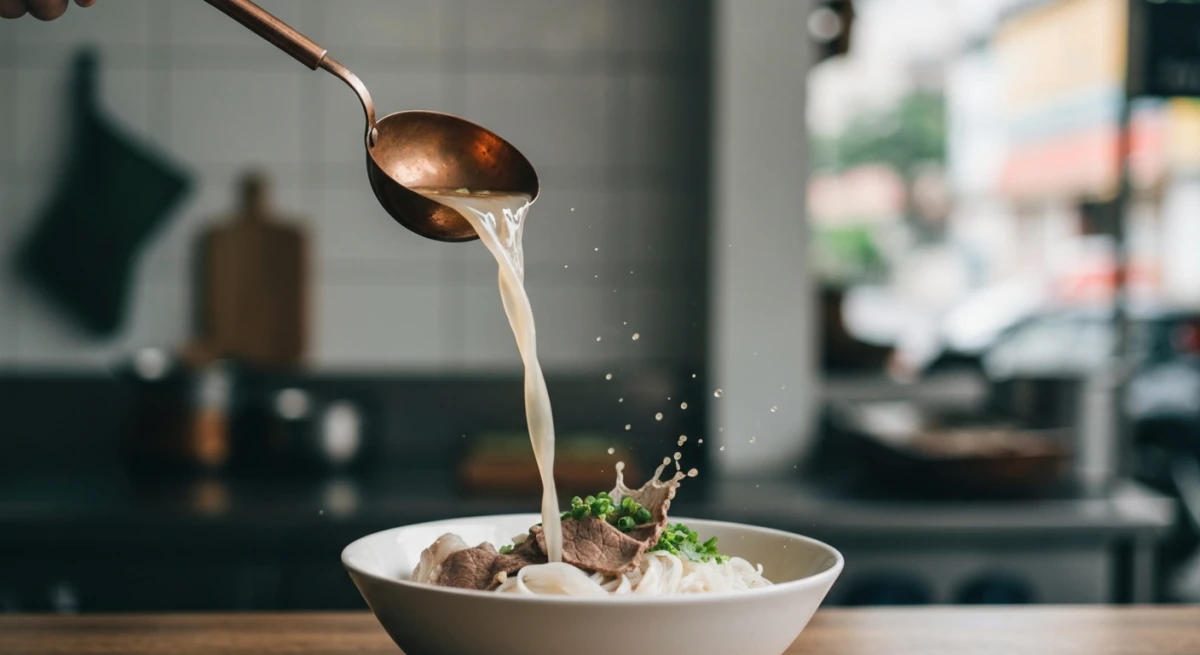
While phở is celebrated worldwide, Northern Vietnam is its undisputed birthplace. To truly understand this iconic dish, you must taste it where it was born. Unlike the Southern variation—which is often sweetened and loaded with a forest of herbs, bean sprouts, and hoisin sauce—Northern phở (Phở Bắc) is an exercise in minimalist perfection. The focus is entirely on the clarity and depth of the broth, which cooks slow-simmer for up to 24 hours using beef marrow bones, charred ginger, shallots, star anise, cinnamon, and black cardamom.
The rice noodles (bánh phở) are wide and velvety, serving as a delicate vehicle for the soup. When eating beef pho (phở bò), you can choose your cuts of meat, ranging from thinly sliced raw beef cooked gently by the boiling broth (tái) to well-done brisket (chín). The chicken variant (phở gà) is lighter but no less complex, utilizing free-range birds that yield a golden, fragrant soup topped with finely shredded lime leaves.
- How to eat it like a local: Do not ask for hoisin sauce or sweet chili sauce. Instead, appreciate the pure broth first. Then, season it with a squeeze of fresh calamansi or lime, a splash of homemade garlic-steeped vinegar (dấm tỏi), and a few slices of fresh bird's eye chili. To complete the experience, order a side of quẩy (crispy fried dough sticks) to dip into the broth.
- Where to go:
- Phở Gia Truyền Bát Đàn (49 Bát Đàn, Hoàn Kiếm): A legendary spot where patrons line up on the sidewalk for a bowl of deep, rustic beef pho.
- Phở Gà Nguyệt (5b Phủ Doãn, Hoàn Kiếm): A Michelin Bib Gourmand-awarded eatery famous for its exceptional chicken pho, offered in both traditional soup and dry mixed styles.
Phở Trộn (Dry Mixed Pho)
For those hot Hanoi afternoons when a steaming bowl of soup feels too daunting, phở trộn is the ultimate savior. This dish deconstructs the classic noodle soup, presenting dry rice noodles tossed in a savory, slightly sweet soy-based sauce. It is topped with your choice of tender beef or shredded chicken, a mountain of fresh herbs (mint, cilantro, and Vietnamese balm), crunchy bean sprouts, fried shallots, and crushed roasted peanuts. It is a texturally brilliant dish where every bite offers a satisfying contrast of crunch, herb-infused freshness, and savory depth.
- Where to go: Phở Hạnh (65 Lãn Ông, Hoàn Kiếm) is renowned for its late-night chicken dry pho, featuring perfectly balanced dressing and juicy, tender chicken.
Bún Riêu Cua (Crab and Tomato Noodle Soup)
If pho represents elegance, bún riêu represents the vibrant, rustic flavors of the Vietnamese countryside. This noodle soup features thin round rice vermicelli (bún) submerged in an acidic, deeply flavorful tomato-based broth. The magic lies in the addition of freshwater paddy crabs, which are crushed and strained to create a rich, pillowy crab paste (riêu cua) that floats on top of the soup. The broth is seasoned with fermented shrimp paste and tamarind or rice vinegar (dấm bỗng), giving it a signature sweet-and-sour tang. A standard bowl comes packed with fried tofu puffs, sliced pork rolls, pork ribs, and sometimes congealed pig's blood.
- Where to go: Bún Riêu Cua Hàng Bạc (11 Hàng Bạc, Hoàn Kiếm). Sitting on a tiny stool on this historic silver-merchant street while eating this tangy masterpiece is an unforgettable Hanoi experience.
2. Charcoal and Clay: Sizzling Midday Classics
Bún Chả (Charcoal-Grilled Pork with Vermicelli)
When President Barack Obama and the late culinary icon Anthony Bourdain sat down on low plastic stools in Hanoi in 2016 to share a meal, they chose bún chả. It is a dish that embodies the smoky, sweet, and savory essence of Hanoi's lunchtime street food culture. Around 11:00 AM, the streets of the Old Quarter begin to fill with plumes of white smoke as vendors grill marinated pork over charcoal grates.
A serving of bún chả consists of three main components. First is the bowl of warm, diluted dipping sauce made from fish sauce, sugar, vinegar, and lime juice, packed with slices of green papaya and carrots. Submerged in this sauce are grilled pork patties (chả viên) and caramelized pork belly slices (chả miếng), both charred to smoky perfection. Second is a plate of cool, white rice vermicelli noodles. Third is a generous basket of fresh herbs, including perilla leaves, lettuce, coriander, and mint.
- How to eat it like a local: Take a small bundle of noodles, dip them directly into the warm pork-infused broth, grab a piece of pork and some fresh herbs, and eat them all in one glorious, multi-textured bite.
- Where to go:
- Bún Chả Hương Liên (24 Lê Văn Hưu, Hai Bà Trưng): Universally known as the "Obama Bun Cha," this multi-story restaurant still displays the table and stools used by the famous duo in glass cases. The food remains exceptionally delicious.
- Tuyết Bún Chả 34 (34 Hàng Than, Ba Đình): A hyper-authentic, chaotic, and heavily praised local spot where the pork is wrapped in wild betel leaves before grilling, adding a unique herbaceous aroma.
Chả Cá Lã Vọng (Turmeric Fish with Dill and Spring Onions)
Perhaps no dish in Hanoi is as theatrical as chả cá. This specialty is so revered that an entire street in the Old Quarter was renamed in its honor (Phố Chả Cá). The dish features chunks of firm, white fish (traditionally hemibagrus, a freshwater catfish) marinated in turmeric, galangal, and garlic.
When you order chả cá, a portable gas stove and a sizzling cast-iron skillet are placed directly on your table. The marinated fish is seared in oil, and you are presented with bowls of fresh dill and spring onions. You toss these greens into the hot pan, watching them wilt and absorb the turmeric-infused oils.
- The crucial condiment: Chả cá is traditionally eaten with rice vermicelli, roasted peanuts, and mắm tôm—a pungent, fermented purple shrimp paste. To prepare the shrimp paste, add a squeeze of lime juice, a pinch of sugar, and fresh chili, then whisk it vigorously with your chopsticks until it froths up into a light violet cloud. If the smell of shrimp paste is too intimidating, you can request regular fish sauce (nước mắm), but the authentic depth of the dish relies heavily on the funky contrast of the shrimp paste.
- Where to go:
- Chả Cá Lã Vọng (14 Chả Cá, Hoàn Kiếm): This is the historic birthplace of the dish, managed by the same family for over five generations. The interior feels like stepping back in time.
- Vua Chả Cá (multiple locations, including 9 Lý Thường Kiệt): A highly reputable modern chain that offers an air-conditioned, comfortable environment with exceptionally clean preparation and consistent quality.
3. Savory Wraps and Handheld Bites
Bánh Cuốn (Steamed Rice Rolls)
For a light, delicate breakfast that showcases incredible culinary craftsmanship, seek out bánh cuốn. Watching a master bánh cuốn cook at work is mesmerizing. They pour a small ladle of fermented rice batter onto a taut piece of white cloth stretched over a large pot of boiling water. The batter is covered with a lid to steam for mere seconds until it forms a paper-thin, translucent sheet. Using a thin bamboo stick, the cook deftly lifts the delicate sheet, places it on a greased surface, scatters a mixture of seasoned minced pork and wood ear mushrooms over it, and rolls it up.
The rolls are brushed with fragrant shallot oil and topped with a generous handful of crispy fried shallots. It is served with a bowl of warm, mild fish dipping sauce (which sometimes features a drop of giant water bug essence, or cà cuống, for a unique floral aroma) and slices of chả lụa (Vietnamese pork sausage).
- Where to go: Bánh Cuốn Bà Xuân (16 Phố Hòe Nhai, Ba Đình). This family-run shop has been steaming delicate rolls for decades, maintaining a perfect texture that is silky yet thin.
Bánh Mì (The Minimalist Northern Sandwich)
While the Southern Vietnamese bánh mì is famous for being stuffed to the brim with dozens of ingredients, the traditional Hanoi bánh mì embraces a "less is more" philosophy. Here, the emphasis is placed on the quality of the freshly baked baguette—which must be shatteringly crisp on the outside and airy on the inside—and a few high-quality fillings.
A classic Hanoi bánh mì features a thick smear of rich, savory pork liver pâté, a swipe of mayonnaise, some slices of head cheese or cured pork, pork floss, a sprinkle of fresh coriander, and a drizzle of homemade chili sauce. It is simple, intensely savory, and perfectly balanced, ensuring that the warm, crusty bread remains the star of the show.
- Where to go:
- Bánh Mì 25 (25 Hàng Cá, Hoàn Kiếm): While popular with international travelers, this spot offers consistently excellent quality, a wide variety of fillings (including vegetarian options), and fresh ingredients.
- Bánh Mì Trâm (252 Cửa Nam, Hoàn Kiếm): Famous for Bánh Mì Sốt Vang, where a warm, crispy baguette is served alongside a bowl of rich, aromatic beef stew cooked in red wine and five-spice powder. It is the ultimate Hanoi comfort food on a rainy day.
4. The Sweet and the Bold: Drinks and Desserts
Cà Phê Trứng (Egg Coffee)
No exploration of Hanoi's food culture is complete without indulging in a cup of cà phê trứng. Created in 1946 during the First Indochina War by a bartender named Nguyen Giang, egg coffee was born out of necessity. Due to severe milk shortages, Giang whipped egg yolks with sugar and condensed milk to create a thick, creamy substitute that could float atop strong, bitter Vietnamese robusta coffee.
The result is a culinary masterpiece often described as "tiramisu in a cup" or "liquid gold". The warm egg foam is incredibly rich, sweet, and velvety, perfectly cut by the dark, smoky bitterness of the espresso underneath. The cup is usually served sitting in a small bowl of hot water to maintain its temperature.
- How to eat it: Use a small spoon to taste the sweet, custard-like foam on top first, then gently stir the espresso up from the bottom to create a harmonious blend of sweet and bitter.
- Where to go:
- Café Giảng (39 Nguyễn Hữu Huân, Hoàn Kiếm): The original birthplace. Walk down a narrow alleyway into a cozy, low-lit courtyard filled with small tables to taste the recipe that started it all.
- Cà Phê Phố Cổ (11 Hàng Gai, Hoàn Kiếm): A hidden gem hidden behind a silk shop. Walk through the antique courtyard and climb several flights of stairs to enjoy an egg coffee with an unparalleled view of Hoan Kiem Lake.
Chè (Traditional Sweet Dessert Soups)
To cool down on a warm tropical evening, locals flock to street stalls selling chè. This blanket term covers a vast array of sweet dessert soups, puddings, and drinks. A typical bowl of chè is a colorful, customizable creation. You can choose from ingredients like sweetened mung beans, red beans, grass jelly, tapioca pearls filled with coconut, lotus seeds, and pandan jelly, all drizzled with rich coconut cream and topped with crushed ice.
- Where to go: Chè Mười Sáu (16 Ngô Thì Nhậm, Hai Bà Trưng). Operating since the mid-20th century, this humble corner shop specializes in classic, traditional Hanoian chè flavors that are sweet without being overwhelming.
5. Hanoi Street Food Etiquette: How to Eat Like a Local
To truly appreciate the culinary landscape of Hanoi, you must understand the cultural norms and practices that govern its streets. Eating on the sidewalk is an art form, and navigating it correctly will enrich your experience.
Embrace the "Tiny Plastic Stool" Lifestyle
In Hanoi, the best food is rarely found inside air-conditioned dining rooms. Instead, it is served on the sidewalk, where customers sit on low plastic stools that feel like they belong in a kindergarten. Do not let this intimidate you. This "sidewalk culture" is highly egalitarian; you will see business executives in tailored suits sitting knee-to-knee with budget backpackers and local grandmothers. Finding a crowded sidewalk with high customer turnover is the golden rule of street food: it guarantees that the ingredients are exceptionally fresh and the food has not been sitting around.
Mastering the Condiment Caddy
Every street food table in Hanoi is equipped with a condiment basket. Depending on what you are eating, utilizing these tools correctly is key to unlocking the intended flavor profile:
- For Pho: Use garlic vinegar (dấm tỏi) and fresh lime or calamansi. Do not add hoisin sauce or fish sauce directly to the bowl unless you have tasted it first and feel it needs a salt adjustment.
- For Bun Cha: Stir in a spoonful of minced garlic and fresh red chili into your warm dipping sauce.
- Wiping Your Utensils: It is common practice to take a dry napkin from the dispenser and thoroughly wipe down your chopsticks and spoon before eating. Many locals will also use a squeeze of lime juice on a napkin to sanitize their utensils.
Cash is King
The vast majority of authentic street food stalls in Hanoi do not accept credit cards or international mobile payments. Always carry cash, preferably in small denominations (10,000, 20,000, 50,000, and 100,000 VND notes). Giving a street vendor a 500,000 VND note for a 40,000 VND bowl of noodles early in the morning can cause transaction difficulties, as they may not have enough change.
Navigating Food Safety and Hygiene
While food safety in Hanoi has improved significantly, it pays to be smart. Look for stalls that specialize in only one or two dishes; this specialization means they have perfected their supply chain and cook their signature items continuously throughout the day. Avoid eating at empty stalls during off-peak hours (such as 3:00 PM), as ingredients may have been exposed to the elements. Lastly, while the ice used in busy, established restaurants is generally safe and factory-made (identifiable by its uniform cylindrical shape with a hole in the middle), if you have a highly sensitive stomach, stick to hot drinks like green tea (trà nóng) or bottled water.
Hanoi Must Eat Food: Frequently Asked Questions (FAQ)
What is the most iconic Hanoi must eat food?
Without a doubt, Phở (beef or chicken noodle soup) and Bún Chả (charcoal-grilled pork with vermicelli) are the ultimate Hanoi must eat food options. Phở represents the soul and history of Northern Vietnamese cooking, while Bún Chả is the quintessential lunchtime street food staple.
Is street food in Hanoi safe to eat?
Yes, street food in Hanoi is generally safe and highly rewarding. To minimize any risk of an upset stomach, always dine at stalls that have a high turnover of local customers, ensure your food is served steaming hot, wipe down your utensils before eating, and drink bottled water or hot tea.
How does Northern Vietnamese food differ from Southern Vietnamese food?
Northern Vietnamese food (Hanoi) is characterized by delicate, clean, and balanced flavors. It relies heavily on black pepper, green onions, and simple seasonings, rarely incorporating sugar or heavy coconut milk. Southern food (Saigon) tends to be much sweeter, spicier, and uses a much wider variety of fresh herbs, raw vegetables, and coconut cream.
How much does a typical street food meal cost in Hanoi?
Street food in Hanoi is incredibly affordable. A standard bowl of Pho or Bun Cha typically costs between 40,000 VND and 70,000 VND (approximately $1.60 to $2.80 USD). A cup of egg coffee is around 30,000 to 45,000 VND ($1.20 to $1.80 USD).
Are there vegetarian options available in Hanoi's street food scene?
While traditional Northern dishes are heavily meat-based, Hanoi has a growing number of vegetarian (Chay) establishments. You can find vegetarian versions of Bánh Mì (often using tofu, mushrooms, and mock meats) and Phở Chay. Look for signs that say "Quán Chay" or "Cơm Chay" for dedicated Buddhist vegetarian eateries.
Conclusion
To eat in Hanoi is to participate in a vibrant, centuries-old cultural ritual. By stepping out of your comfort zone, pulling up a tiny plastic stool on a bustling sidewalk, and embracing the complex flavors of Northern Vietnam, you will discover why this capital city is consistently ranked among the world's premier culinary destinations. From the delicate, aromatic steam of a morning bowl of phở to the rich, dessert-like indulgence of a late-afternoon egg coffee, the culinary landscape of Hanoi promises an unforgettable journey for every curious traveler. Pack your appetite, keep your cash handy, and let the streets of Hanoi feed your soul.