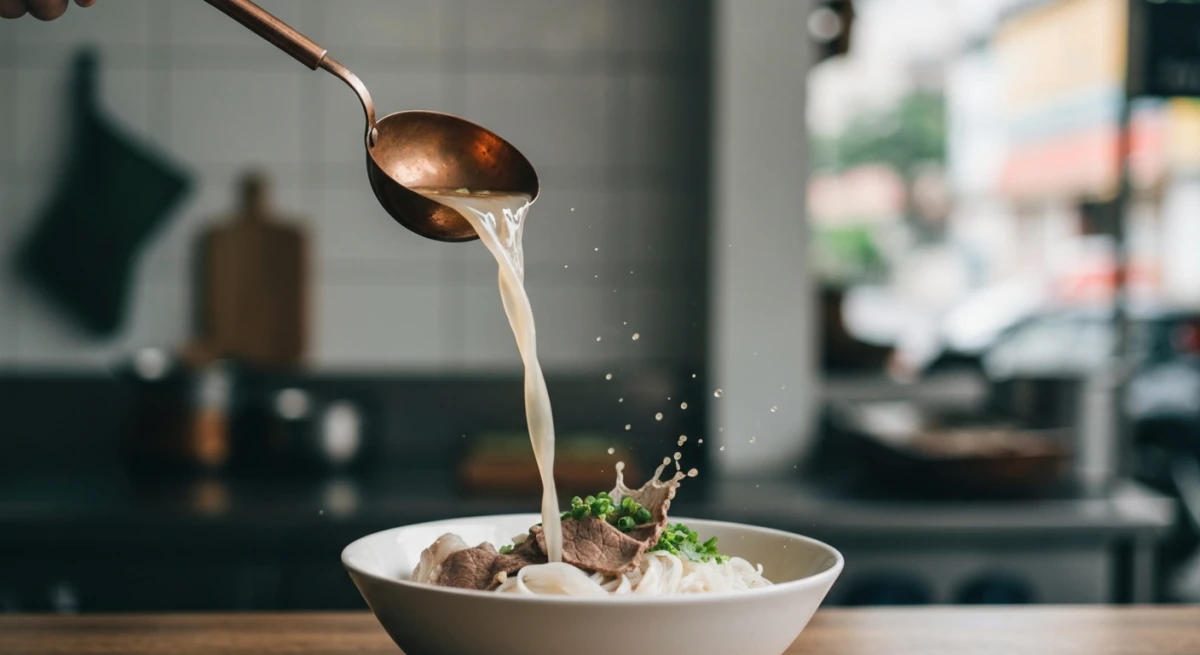
When you step into the historic alleys of the Hanoi Old Quarter, you are greeted by an unforgettable sensory symphony. The air is thick with the sweet smoke of charcoal-grilled pork, the fragrant steam of cinnamon-infused beef broth, and the rich aroma of robusta beans brewing in traditional aluminum filters. For any traveler stepping foot in Vietnam's capital, finding the best hanoi food to eat is more than just satisfying your hunger—it is a deep dive into centuries of history, culture, and a philosophy of culinary harmony. Unlike the bolder, sweeter dishes of Southern Vietnam, northern cuisine is a masterclass in delicate balance, prioritizing clean, savory profiles, fresh herbs, and the subtle warmth of black pepper.
In this comprehensive guide, we will take you past the generic tourist traps and straight to the culinary heart of the capital. From legendary bowls of Pho to sizzling pans of turmeric-rubbed fish and hidden street food alleyways, here is the ultimate guide to the best hanoi food to eat.
1. The Legendary Classics: Iconic Hanoi Food to Eat First
To truly appreciate the culinary landscape of Vietnam's capital, you must begin with the legendary staples that put this city on the global culinary map. These are the dishes that have been perfected over generations, often by families operating out of the exact same storefront for nearly a century.
Phở Bò & Phở Gà (Beef and Chicken Noodle Soup)
No conversation about Vietnamese cuisine can start without Pho. While Pho is now eaten worldwide, its birthplace is in the north, and any local will tell you that the best bowls are found right here in Hanoi. Northern Pho is characterized by a clear, pristine broth, flat rice noodles (bánh phở), and a focus on pure beef or chicken flavor. Unlike southern-style Pho, which is served with bean sprouts and sweet hoisin sauce, northern Pho relies on a splash of lime, fresh bird's eye chili, and garlic-infused vinegar to elevate the naturally sweet broth, which has been simmered with beef bones and aromatic spices for up to 24 hours.
When ordering beef Pho (Phở Bò), you can customize your meat: chín (well-done brisket), tái (rare beef cooked gently in the boiling broth), or nạm (flank). Do not forget to order a side of quẩy (crispy fried dough sticks) to dip into the broth—it is a non-negotiable local custom.
- Phở Gia Truyền Bát Đàn (49 Bat Dan Street): Famous for its wood-fired broth and daily queues. The queue moves fast, and the self-service style is a classic Hanoi experience.
- Phở 10 Lý Quốc Sư (10 Ly Quoc Su Street): A Michelin-recommended institution known for clean facilities, incredibly tender beef, and a deeply aromatic broth.
- Phở Hàng Trống (8 Hang Trong Street): Walk down a narrow, unmarked corridor and climb the stairs of a residential building. Here, a local woman serves exceptional Pho to patrons sitting on tiny plastic stools.
Bún Chả (Charcoal-Grilled Pork with Rice Vermicelli)
If Pho is the king of Hanoi mornings, Bún Chả is the undisputed emperor of lunchtime. As midday approaches, the streets of the Old Quarter fill with white smoke as vendors fan charcoal grills laden with marinated pork belly slices and minced pork patties (chả). The grilled meat is served in a warm, sweet-and-savory dipping sauce made of fish sauce, vinegar, sugar, and lime juice, topped with crunchy pickled green papaya and carrots. On the side, you receive a plate of fresh rice vermicelli (bún) and an overflowing basket of fresh herbs (perilla, coriander, and mint).
To eat Bún Chả like a Hanoian, take a small bunch of noodles, dip them directly into the warm broth with the pork, grab an herb leaf, and eat it all in one glorious, savory, smoky bite.
- Bún Chả Hương Liên (24 Le Van Huu Street): Known globally as "Obama Bun Cha." This is where President Barack Obama and chef Anthony Bourdain famously shared a meal on blue plastic stools in 2016. Order the "Obama Combo" which includes a bowl of Bun Cha, a crispy seafood spring roll (nem hải sản), and a cold Hanoi beer.
- Bún Chả Đắc Kim (1 Hang Manh Street): Located at the edge of the Old Quarter, this joint is famous for its massive portions and intensely seasoned pork patties.
- Bún Chả Tuyết 34 (34 Hang Than Street): A Michelin Bib Gourmand winner. It is packed with locals every lunchtime because of its exceptionally fresh herbs and perfectly balanced dipping sauce.
Chả Cá Lã Vọng (Sizzling Turmeric and Dill Fish)
Chả Cá is such an important Hanoi delicacy that there is an entire street in the Old Quarter named after it. This dish features chunks of firm white fish (traditionally hemibagrus, a freshwater fish from the rivers of northern Vietnam) marinated in turmeric, galangal, and ginger. The fish is brought to your table in a sizzling cast-iron skillet over a portable burner, where a mountain of fresh dill and spring onions is tossed in to wilt in the aromatic oil.
You assemble your bowl by combining rice noodles, peanuts, herbs, and the sizzling fish, then drizzling the entire mixture with mắm tôm (a pungent, fermented purple shrimp paste whisked with lime juice and sugar until frothy). If the shrimp paste is too intimidating, you can opt for standard fish sauce, though purists will encourage you to try the authentic version!
- Chả Cá Thăng Long (21 Duong Thanh Street): Offering three spacious branches on the same street, this is widely considered the best spot for consistency, high-quality fish, and excellent service.
- Chả Cá Lã Vọng (14 Cha Ca Street): The historic birthplace of the dish, run by the Doan family for over a century. While more expensive and rustic, it carries immense historical charm.
Bánh Mì (The Classic Vietnamese Baguette)
While the Bánh Mì is celebrated all over Vietnam, Hanoi's version leans heavily on simplicity and the quality of its individual components. Unlike the heavily packed, salad-heavy Bánh Mì of Saigon, a classic Hanoi Bánh Mì focuses on a perfectly crisp, light baguette smeared with rich, savory liver pâté, salted butter, a few slices of pork ham (chả lụa), headcheese, cucumber slices, and a drizzle of homemade chili sauce.
- Bánh Mì 25 (25 Hang Ca Street): Highly popular among travelers for its wide range of fillings (including vegetarian and vegan options) and exceptionally fresh, warm baguettes baked on-site.
- Bánh Mì Phố Cổ (38 Dinh Liet Street): A local favorite that serves classic, no-nonsense street-style Bánh Mì loaded with house-made pâté and crispy roast pork.
Bánh Cuốn (Steamed Rice Rolls)
For a breakfast or late-night snack that is light yet satisfying, Bánh Cuốn is the perfect choice. These delicate rolls are made from a thin, fermented rice batter poured over a taut fabric sheet stretched across a pot of boiling water. The chef expertly spreads the batter, covers it for a few seconds to steam, then lifts the translucent sheet off with a bamboo stick. It is filled with seasoned minced pork and wood ear mushrooms, rolled up, and sprinkled with crispy fried shallots. It is served with a warm dipping sauce and slices of pork sausage (chả quế).
- Bánh Cuốn Bà Hoành (66 To Hien Thanh Street): Famous for serving some of the thinnest, most delicate rice sheets in the city, accompanied by grilled pork belly on the side.
- Bánh Cuốn Gia Truyền Thanh Vân (14 Hang Ga Street): Watch the master cooks steam and roll each piece with mesmerizing speed right at the entrance.
2. Deep Cuts: The Under-the-Radar Street Foods Competitors Skip
While every travel blog covers Pho and Bun Cha, the true depth of Hanoi's food culture is hidden in the specialized dishes that locals eat when they want something comforting, complex, or deeply traditional. These under-the-radar eats are essential additions to your list of hanoi food to eat.
Bún Riêu Cua (Crab and Tomato Noodle Soup)
Bún Riêu Cua is a visual and flavor masterpiece. The broth is a complex crimson brew made from simmering pork bones, tomatoes, and crushed freshwater field crabs. The crab meat is pressed into soft, pillowy clouds that float on top of the broth alongside fried tofu cubes, congealed pig's blood (huyết), and sometimes tender beef slices or snails (ốc). The soup is served with thin, round rice noodles and a massive plate of shredded banana blossoms and split morning glory stems. The flavor profile is uniquely sweet, tangy, and savory, balanced beautifully by a squeeze of lime and a spoonful of shrimp paste.
- Bún Riêu Trang (23 Nguyen Sieu Street): This sidewalk eatery is legendary. Grab a plastic stool, order a bowl of "Bún Riêu đầy đủ" (everything included), and watch the bustling street life pass you by.
Bún Đậu Mắm Tôm (Tofu, Vermicelli, and Fermented Shrimp Paste)
This dish is a rite of passage for adventurous foodies. Served on a round bamboo tray lined with banana leaves, Bún Đậu is a deconstructed platter of crispy golden-fried tofu, boiled pork leg slices, fried rice-flake patties (chả cốm), and compact cubes of rice vermicelli noodles.
The star of the show is mắm tôm, the thick, fermented shrimp paste. When it is served, it is dark purple and pungent. You must add a squeeze of fresh kumquat juice, a spoonful of sugar, and sliced chilies, then vigorously whisk it with your chopsticks until it blooms into a light violet, bubbly froth. Dip the warm tofu and noodles into this savory, sweet, and tangy paste for an explosion of authentic flavor.
- Bún Đậu Ngõ Gạch (4 Ngo Gach Alley): Tucked away down a quiet alleyway, this spot serves incredibly crispy tofu that is creamy on the inside, alongside immaculate ingredients.
Bánh Tôm Tây Hồ (West Lake Shrimp Cakes)
Originating as a popular street snack along the shores of West Lake (Hồ Tây) in the 1930s, Bánh Tôm is a crowd-pleasing, crunchy treat. The dish consists of sweet potato julienne battered in a turmeric-infused flour mix, topped with fresh, whole freshwater shrimp caught directly from the lake (with shells and heads intact). The entire cake is deep-fried to a stunning golden-brown and served with a sweet-and-sour dipping sauce containing pickled green papaya and carrots, wrapped in fresh lettuce and herbs.
- Bánh Tôm Bà Lộc (06 Alley 80, Chua Ha Street): A highly rated local spot that serves exceptionally crispy and light shrimp cakes, far superior to the overpriced, touristy joints right on the lake's main road.
Xôi Xéo (Turmeric Sticky Rice)
This comforting, hearty dish is a beloved Hanoi breakfast staple. Glutinous rice is soaked with turmeric to give it a vibrant yellow color, then steamed and scooped onto a banana leaf. The vendor then uses a sharp knife to shave thin slices of cooked, compacted mung bean paste over the hot rice. The dish is finished with a generous drizzle of liquid chicken fat and a mountain of crispy fried shallots. You can also customize your Xôi by adding braised pork belly, shredded chicken, or a fried egg.
- Xôi Yến (35B Nguyen Huu Huan Street): The most famous Xôi restaurant in Hanoi, operating since the late 1990s. It is open from early morning until late at night, making it the perfect spot for both a hearty breakfast and a late-night craving.
Phở Cuốn & Phở Chiên Phồng (Rolled and Fried Pho)
In the scenic Truc Bach neighborhood, creative cooks decided to reinvent the traditional Pho noodle. Instead of cutting the steamed rice sheets into thin strips for soup, they left them whole.
For Phở Cuốn, they wrap the wide, delicate sheets of rice noodle around stir-fried garlic beef, fresh lettuce, and cilantro, creating a fresh, spring-roll-like wrap dipped in a sweet fish sauce.
For Phở Chiên Phồng, they stack several layers of rice sheets, cut them into squares, and deep-fry them until they puff up into crispy, hollow golden pillows. These are smothered in a rich, savory gravy of stir-fried beef and morning glory.
- Phở Cuốn Hương Mai (25 Ngu Xa Street): The legendary pioneer of this style, offering a bright, bustling dining room overlooking the quiet streets of the Truc Bach peninsula.
3. Hanoi's Liquid Gold: The Legendary Drink and Cafe Scene
In Hanoi, what you drink is just as important as what you eat. The city's cafe culture is world-famous, serving as both a social hub and a living museum of local history.
Cà Phê Trứng (Egg Coffee)
Egg coffee is Hanoi's ultimate liquid dessert. The story goes back to 1946 during the First Indochina War. Milk was highly scarce in the city, so Nguyen Van Giang, a bartender at the prestigious Metropole Hotel, decided to whisk egg yolks as a substitute to create a creamy topping for hot robusta coffee. The result was a masterpiece.
Served in a small bowl of warm water to maintain its temperature, Cà Phê Trứng consists of a shot of strong, dark Vietnamese coffee topped with a thick, decadent foam of whipped egg yolk, condensed milk, and sugar. It tastes like a rich tiramisu in liquid form.
- Café Giảng (39 Nguyen Huu Huan Street): The original birthplace of egg coffee. Walk down a long, narrow alleyway to find a cozy, multi-story courtyard packed with locals and travelers drinking from the original recipe.
- Café Đinh (13 Dinh Liet Street): Run by Mr. Giang's daughter, this rustic, second-floor cafe overlooks Hoan Kiem Lake and offers a slightly stronger, less sweet version of the egg coffee.
Cà Phê Muối (Salt Coffee)
While salt coffee originated in Central Vietnam, it has taken Hanoi by storm in recent years. This delicious concoction features robust, slow-dripped phin coffee combined with condensed milk and a thick layer of salted cream. The salt cuts through the bitterness of the robusta and the intense sweetness of the condensed milk, creating a perfectly balanced caramel-like flavor profile that is highly addictive.
Bia Hơi (Fresh Draft Beer)
To experience the true social heartbeat of Hanoi, you must sit on a tiny plastic stool at a street corner and order a glass of Bia Hơi. This light, unpasteurized draft beer is brewed daily, contains about 3% alcohol, and is delivered to local establishments in metal kegs every morning. At around 10,000 to 15,000 VND ($0.40 to $0.60 USD) per glass, it is considered the cheapest beer in the world. It is incredibly refreshing, crisp, and best enjoyed with a plate of roasted peanuts (lạc luộc) or deep-fried fermented pork rolls (nem chua rán).
- Bia Hơi Corner (Junction of Ta Hien and Luong Ngoc Quyen Streets): The epicenter of Hanoi's nightlife. As the sun sets, this intersection transforms into a sprawling, chaotic, and joyous outdoor beer garden where travelers and locals rub shoulders.
4. The Foodie's Blueprint: How to Navigate Hanoi's Food Streets Like a Local
Eating like a local in Hanoi requires stepping out of your comfort zone and embracing the beautiful chaos of the streets. Here are some essential tips to help you navigate the culinary alleys safely and authentically:
Follow the Office Workers
The ultimate rule of street food in Hanoi: look for the crowd. If you see an unmarked stall at 7:30 AM or 12:00 PM packed with Vietnamese office workers, students, and families, you have found gold. These locals have unlimited dining options and very little patience for subpar meals, so a long line of Vietnamese patrons is the absolute highest endorsement a stall can get.
Embrace "Stool Culture"
In Hanoi, the quality of the food is often inversely proportional to the height of the chairs. The most legendary culinary gems are served from stalls where you sit on tiny plastic stools on the sidewalk, with motorbikes buzzing inches from your shoulder. This is not just a cheap way to eat; it is an essential part of Hanoi's social fabric.
Master the Condiment Table
When you sit down at a noodle stall, you will notice a tray of condiments. Hanoians are masters of customization. Always taste the broth first, then adjust to your liking:
- Add lime for bright acidity.
- Add sliced bird's eye chilies for direct heat.
- Add garlic vinegar (tỏi giấm) to cut through the richness of beef broth.
- Do not hesitate to order a side plate of quẩy (fried dough sticks) to soak up every drop of soup.
Table Etiquette: Napkins on the Floor
If you look under the tables at a busy street food stall, you will likely see discarded napkins, lime wedges, and wooden chopsticks on the floor. While this might look unhygienic to a western traveler, it is actually the local custom. Stalls are constantly swept throughout the day, and keeping the small tables clean and clear for the next dish is prioritized. Simply follow suit and drop your used tissues on the floor!
FAQ: Your Hanoi Culinary Questions Answered
Is street food in Hanoi safe to eat?
Yes, Hanoi's street food is incredibly safe if you follow a few basic guidelines. Choose stalls with high customer turnover, as this ensures the ingredients are fresh and do not sit out. Look for vendors who cook their broths and meats right in front of you. Always drink bottled water, and avoid ice at very rustic, remote stalls (though ice at busy Old Quarter cafes is generally made from purified water and is perfectly safe).
How much does street food cost in Hanoi?
Street food in Hanoi is incredibly budget-friendly. A classic bowl of Pho or Bun Cha will cost between 40,000 and 65,000 VND ($1.60 to $2.70 USD). A Bánh Mì ranges from 20,000 to 45,000 VND ($0.80 to $1.90 USD). A cup of egg coffee is typically around 30,000 to 45,000 VND ($1.20 to $1.90 USD). You can easily eat like royalty for under $15 USD a day.
What is the difference between northern and southern Vietnamese food?
Northern Vietnamese food (Hanoi) is older and more traditional, reflecting a cooler climate and Chinese historical influences. It is characterized by delicate, clean, and balanced flavors, with a heavy emphasis on black pepper and fresh green herbs rather than chilies. Southern Vietnamese food (Saigon) is sweeter and bolder, utilizing a wide variety of herbs, sugar, coconut milk, and fresh chilies due to the abundant tropical climate.
Why is egg coffee served in a bowl of hot water?
Cà Phê Trứng is served in a small bowl filled with hot water to keep the whipped egg yolk cream warm and frothy while you drink it. If the cream cools down too much, it can lose its velvety texture and develop a slight egg aroma, so the hot water bath ensures every sip tastes like a freshly whipped warm dessert.
Conclusion
Exploring the streets of Hanoi in search of the perfect meal is an unforgettable journey that engages all five senses. The capital's food scene is not about pristine dining rooms or silent white-tablecloth service; it is about the roar of motorbikes, the laughter of locals sharing stories over fresh draft beer, and the steam rising from a century-old pot of bone broth.
By seeking out these iconic dishes, hunting down the hidden alleyway gems of the Old Quarter, and pulling up a tiny plastic stool on the sidewalk, you will discover that the true soul of Hanoi is found in its bowls, its plates, and its cups. Pack your appetite, leave your culinary expectations behind, and prepare to fall in love with the most vibrant food capital in Southeast Asia.