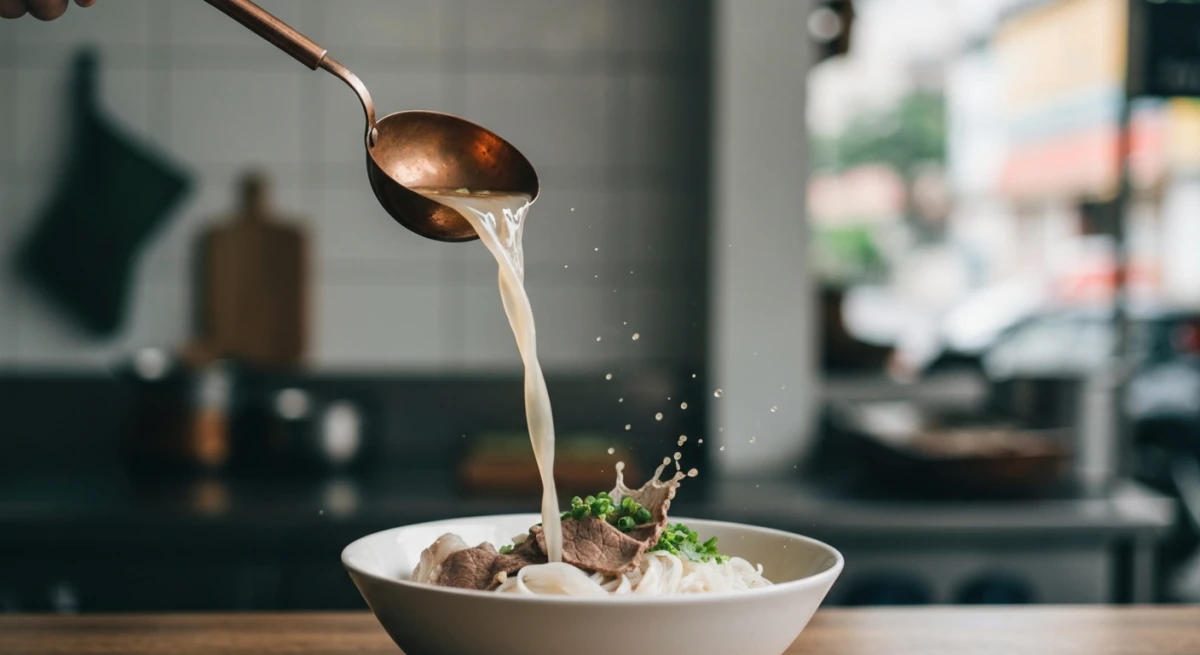
Hanoi is a city that doesn't just feed you; it consumes you. From the moment you step into the chaotic, scooter-laden streets of the Old Quarter, your senses are bombarded by the scent of simmering bone broths, smoky charcoal grills, and freshly roasted coffee. If you are searching for the definitive hanoi food to try, you are in the right place. To truly understand this thousand-year-old capital, you have to eat like a local—which means ditching the tourist-oriented restaurants, pulling up a low plastic stool on a buzzing sidewalk, and diving headfirst into the complex, delicate flavors of northern Vietnamese cuisine.
Unlike the sweeter, herb-heavy dishes of southern Vietnam, Hanoian food is defined by balance, subtlety, and deep savory profiles. It is a culinary tradition shaped by centuries of history, French colonial influences, and a fierce pride in time-tested family recipes. In this comprehensive guide, we will bypass the generic tourist traps and take you deep into the narrow alleys (ngõ) to uncover the legendary stalls, hidden courtyards, and under-the-radar classics that make Hanoi one of the greatest food cities on earth.
The Legendary Staples: Redefining the Classics
Every guidebook will tell you to eat Pho and Bun Cha. But they rarely tell you where to find the versions that locals queue for at dawn, or how to eat them without looking like an amateur. Let's start with the heavy hitters, elevated with local secrets.
1. Phờ Bò & Phờ Gà (Beef & Chicken Noodle Soup)
Pho is Vietnam's national dish, but it was born right here in the north. A traditional Hanoi pho broth is clear, elegant, and intensely fragrant, relying on slow-simmered beef bones, charred ginger, shallots, and warm spices like cinnamon and star anise.
- The Hidden Gem Spot: Phờ Hàng Trống (8 P. Hàng Trống) Tucked down a dark, narrow alleyway and up a steep concrete stairwell, you will find what locals affectionately call "Living Room Pho." This is literally a family's apartment where a woman has been serving incredibly rich, comforting bowls of beef pho for decades. Perched on tiny blue stools in her hallway, you will eat surrounded by family photos and local life.
- The Historic Legend: Phờ Gia Truyền Bát Đàn (49 P. Bát Đàn) Famous for its deep wood-fire-stewed broth and tender slices of steak (pho tai) and brisket (pho chin). Be prepared to wait in a queue; it is worth every minute.
- The Chicken Alternative: Phờ Gà Nguyệt (5 P. Phủ Doãn) If you prefer poultry, this Michelin-recognized spot serves phenomenal dry mixed chicken pho (pho ga tron) and classic soup pho.
- How to Eat It Like a Hanoian: Do not immediately dump chili sauce and hoisin into your bowl. Taste the broth first. Add a squeeze of fresh lime or a splash of garlic-infused rice vinegar, a few slices of fresh bird's-eye chili, and order a side of quẩy (crispy fried dough sticks) to dip into the broth until they are beautifully soggy.
2. Bún Chả (Charcoal-Grilled Pork with Rice Noodles)
If Pho is Hanoi's soul, Bun Cha is its lunchtime obsession. Thick pork belly slices and savory minced pork patties are grilled over glowing charcoal, then served submerged in a warm, tangy dipping broth made of fish sauce, vinegar, sugar, and lime, adorned with crunchy slices of green papaya and carrot.
- The Tourist Legend vs. Local Favorite: While everyone knows Bún Chả Hương Liên (made famous by President Barack Obama and Anthony Bourdain in 2016), locals often head elsewhere for a more rustic bite.
- The Local Gold Standard: Tuyết Bún Chả 34 (34 P. Đường Thành) Located on the edge of the Old Quarter, this family-run spot serves exceptionally smoky, juicy pork patties wrapped in wild betel leaves (lá lốt) before grilling. The broth is perfectly balanced—sweet, sour, and savory.
- The Alleyway Secret: Bún Chả Hàng Quạt (Ngŏ 74 Hàng Quạt) Hidden down a residential alley so narrow you might miss it, this open-air stall fills the entire street with mouthwatering charcoal smoke.
- How to Eat It: You will receive a plate of cold vermicelli rice noodles (bún), a mountain of fresh herbs (perilla, coriander, mint), and the bowl of grilled pork in warm broth. Grab a pinch of noodles, dip them directly into the pork broth, add some herbs, and eat everything in one harmonious, smoky bite.
3. Bánh Cuốn (Steamed Rice Rolls)
Banh Cuon is a masterclass in culinary precision. A thin, delicate batter of fermented rice flour is poured over a taut fabric steam bath. Within seconds, the cook lifts the translucent sheet with a bamboo stick, fills it with minced pork and wood-ear mushrooms, and rolls it into a silky parcel.
- The Michelin-Recognized Choice: Bánh Cuốn Bà Xuân (16 Dốc Hòe Nhai) A 30-plus-year-old institution recognized by the Michelin Guide. The texture of Mrs. Xuan's steamed sheets is incredibly delicate. For something truly special, order the Bánh Cuốn Trứng, where a soft-poached egg yolk is folded directly into the steaming rice sheet.
- The Old Quarter Classic: Bánh Cuốn Gia Truyền Thanh Vân (14 P. Hàng Gà) Famous for offering various fillings like chicken or shrimp, alongside the classic pork.
- How to Eat It: The rolls are topped with crispy fried shallots and served with a bowl of warm, amber-colored dipping fish sauce, often flavored with a drop of cà cuống (giant water bug essence) if requested. Dip the rolls, eat with pieces of giò lụa (Vietnamese pork sausage), and fresh herbs.
The Under-the-Radar Secrets (The Gaps Competitors Miss)
To truly conquer the quest for the best hanoi food to try, you must look beyond the standard lists. These are the dishes that reflect the seasonal rhythms, deep alleyway culture, and local cravings of Hanoi.
4. Bún Cá Sâm Cây Si (Fish Noodle Soup in Trung Yen Alley)
Tucked deep inside Trung Yen Alley, a bustling 200-meter lane near the historic Hang Be Market, sits a humble stall shaded by an ancient weeping fig tree (cây si). This is Bún Cá Sâm Cây Si, a local legend that serves a fish noodle soup unlike any other in the city.
The broth is a vibrant, clear masterpiece simmered from fish bones, brightened with fresh tomatoes, dill, and slices of sweet pineapple. Inside your bowl, you will find perfectly springy rice noodles, tender water celery, and chunks of deep-fried, golden-brown fish fillet that miraculously retain their crunch even in the hot soup.
- The Secret Order: Do not leave without ordering their famous nem cá (fish rolls). These are unique, crispy nuggets filled with seasoned minced pork, wood-ear mushrooms, and shallots, wrapped in a thin perch fillet, then deep-fried. Dip them into the sweet-and-sour garlic chili fish sauce.
- Location: 5 Ngŏ Trung Yên, Hàng Bạc, Hoàn Kiếm, Hanoi.
5. Bún Riêu Cua (Tangy Crab Noodle Soup)
While Pho is elegant and refined, Bun Rieu is bold, rustic, and complex. It features a rich, crimson broth flavored with freshwater crabs (crushed and simmered to create a flavorful paste), tomatoes, and tamarind or vinegar for acidity.
The soup is loaded with fluffy blocks of crab paste, golden fried tofu, green onions, and sometimes pork rib cartilage or beef slices.
- Where to Go: Bún Riêu Hàng Bạc (11 P. Hàng Bạc) A tiny sidewalk shop in the heart of the Old Quarter that has been serving exceptional, traditional bun rieu for decades.
- The Local Authority: Bún Riêu Huyền Thu (2F P. Quang Trung) Famous for its perfectly balanced, naturally sweet tomato broth and generous portions of freshwater crab meat.
- The Ultimate Flavor Exploder: To eat it like a true local, stir a tiny dab of mắm tôm (pungent purple shrimp paste) into your broth. It adds an incredible depth of umami that elevates the entire dish.
6. Xôi Xéo (Turmeric Sticky Rice with Mung Bean)
Xoi Xeo is the ultimate Hanoi comfort breakfast. It is a visually striking dish of glutinous rice stained a vibrant yellow with turmeric, topped with a smooth, shaved paste of cooked mung beans, a generous shower of crispy fried shallots, and a drizzle of rich pork fat.
- Where to Go: Xôi Mây (Corner of Hàng Mã and Hàng Chiếu) This humble sidewalk spot is run by Mrs. May, who routinely sells over a thousand portions of sticky rice every morning. You can watch her lightning-fast hands slice the mung bean "cake" directly over the warm rice.
- How to Eat It: Customize your bag of Xoi Xeo by adding ruốc (savory pork floss) or giò (pork sausage) for a hearty, filling start to your day.
7. Chả Cá (Turmeric-Marinated Dill Fish)
This dish is so legendary that an entire street in Hanoi's Old Quarter was renamed after it (Phố Chả Cá). Slabs of firm freshwater fish (usually hemibagrus) are marinated in turmeric, galangal, and ginger, then pan-fried table-side over hot coals alongside a mountain of fresh dill and spring onions.
- Where to Go: Chả Cá Lã Vọng (14 P. Chả Cá) The historic birthplace of the dish, operating for over a century. However, it can feel a bit touristy.
- The Modern Local Choice: Chả Cá Thăng Long (6B P. Đường Thành) Widely considered by locals to have better service and fresher fish, offering a stellar three-floor dining experience.
- How to Eat It: Mix the sizzling turmeric fish and wilted dill in your bowl with cold rice vermicelli, roasted peanuts, fresh coriander, and a splash of mắm tôm (shrimp paste) whipped with lime juice and chili until frothy.
Hanoi's Liquid Gold: Sweets, Sips, and Sides
No culinary exploration of Hanoi is complete without diving into the city's iconic beverage and dessert culture. In northern Vietnam, coffee is not just a morning jolt; it is a slow, sweet ritual.
8. Cà Phê Trứng (Hanoi Egg Coffee)
Invented in 1946 during a milk shortage caused by the French War, egg coffee has become Hanoi's most famous liquid export. A strong, dark shot of Vietnamese robusta coffee is topped with an incredibly thick, velvety meringue made of whipped egg yolk, condensed milk, and honey. It is essentially liquid tiramisu.
- Where to Go: Giảng Cafe (39 Ngŏ Nguyễn Hữu Huân) Founded by Mr. Nguyen Giang, the original inventor of the drink. It is hidden down a long hallway, opening up into a bustling, multi-level courtyard filled with locals sipping from small cups kept warm in bowls of hot water.
- The Scenic Alternative: Cà Phê Phố Cổ (11 P. Hàng Gai) Walk through a silk shop, climb several flights of winding stairs, and enjoy your egg coffee with an unobstructed, panoramic view of Hoan Kiem Lake.
- The Vintage Escape: Loading T Café (8 P. Chân Cầm) Housed inside a stunning, crumbling French colonial mansion, they add a touch of cinnamon to their egg coffee, making it uniquely warm and aromatic.
9. Bánh Mì (The Northern Style)
Unlike the massive, vegetable-loaded banh mi of Saigon, Hanoi's banh mi is minimalist and focused on texture. The bread is smaller, incredibly crispy, and filled simply with rich pâté, a smear of butter, a few slices of pork, and a splash of chili sauce.
- Where to Go: Bánh Mì Mama (54 P. Lý Quốc Sư) A tiny street-side cart right next to the St. Joseph's Cathedral. Her pate is legendary—creamy, savory, and perfectly spiced.
- The Quick Sweet Snack: King Roti (34 P. Hàng Gai) If you want a sweet break, grab a warm, freshly baked coffee-crust roti bun filled with salted cheese or matcha from this immensely popular grab-and-go window near the lake.
Hanoi Street Food Etiquette: Eat Like a Local
To ensure your food tour is seamless and respectful, keep these local cultural tips in mind:
- Embrace the Sidewalk: The best food in Hanoi is eaten on the street. Do not be intimidated by the tiny plastic stools. They are an equalizer—wealthy businessmen and backpackers sit side-by-side on them.
- The Trash Trick: Many traditional stalls have trash cans under the tables. It is customary to drop used napkins and lime wedges directly on the floor beneath your table, which is swept up continuously by the staff.
- Cash is King: Always carry small denominations of Vietnamese Dong (VND 10,000, 20,000, 50,000, and 100,000 notes). Most street vendors do not accept credit cards or digital payments from foreign bank accounts.
- Follow the Crowds: The best indicator of food hygiene and quality is a high turnover rate. If a stall is packed with locals at peak dining hours (7:00 AM - 9:00 AM for breakfast; 11:30 AM - 1:30 PM for lunch; 6:30 PM - 8:30 PM for dinner), the ingredients are fresh.
Frequently Asked Questions (FAQ)
Is street food in Hanoi safe to eat?
Yes, street food in Hanoi is generally very safe. Because these stalls specialize in only one or two dishes, they go through their ingredients rapidly, meaning everything is prepped fresh daily. To be safe, eat at stalls with high local foot traffic and watch the food being cooked hot in front of you.
What is the average cost of a meal in Hanoi?
Hanoi is incredibly budget-friendly. A bowl of world-class pho or bun cha will cost between VND 40,000 and VND 70,000 (roughly USD $1.60 to $2.80). A banh mi or cup of egg coffee usually costs around VND 25,000 to VND 40,000 (USD $1.00 to $1.60).
What is the difference between Pho in Hanoi and Saigon?
Hanoi pho focuses on a clean, savory, and delicate broth with wider noodles, served simply with meat and green onions. Saigon pho (southern style) has a sweeter, richer broth, thinner noodles, and is served with an array of fresh herbs, bean sprouts, hoisin sauce, and chili sauce for customization.
Are there vegetarian options in Hanoi?
While traditional northern Vietnamese cuisine is meat-heavy, Hanoi has a growing Buddhist-influenced vegetarian scene. Look for signs that say "Quán Chay" (Vegetarian Eatery) or head to styled local spots like CỌ Restaurant which offer fantastic vegetarian adaptations of classic northern street foods.
Conclusion
Hanoi is a city best explored with an open mind and an empty stomach. The true magic of its culinary scene lies in its layers—the contrast of hot, crispy dough sticks dipping into a deeply comforting, overnight beef broth; the rich sweetness of whipped egg over bitter, dark coffee; the smoky crunch of grilled pork eaten amidst the roar of zooming motorbikes. By seeking out these legendary local spots and stepping slightly off the beaten tourist path, you will experience the authentic heart and soul of Vietnam's capital. Happy eating!