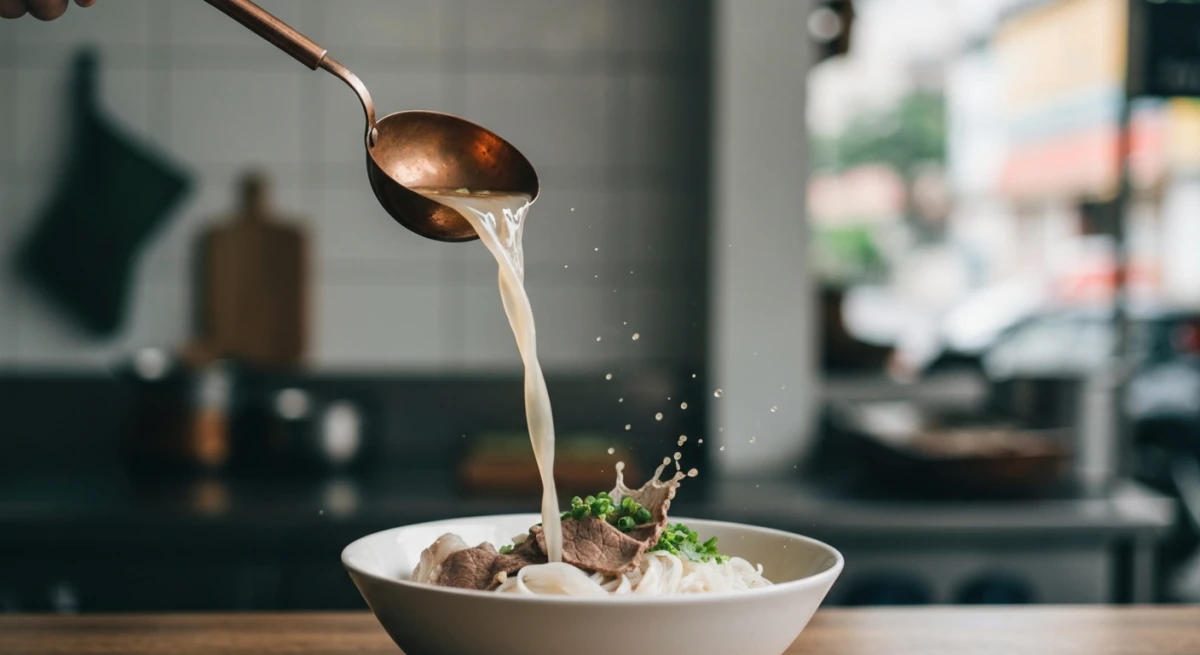
To experience the heart and soul of Vietnam, one must dive headfirst into the chaotic, scooter-filled streets of its historic capital and eat. Finding authentic Hanoi nice food is not just about choosing a restaurant; it is about embracing a sensory whirlwind of sizzling charcoal grills, steaming caldrons of spiced broth, and the lively clatter of plastic stools on narrow sidewalks. If you are searching for the ultimate culinary adventure, you have come to the right place. This comprehensive guide will take you far beyond the standard tourist trails, revealing the iconic dishes, hidden alley stalls, and local culinary secrets that define Hanoi's world-class food culture.
1. The Holy Trinity of Hanoi Street Food: Pho, Bun Cha, and Banh Mi
No exploration of Hanoi's legendary culinary landscape is complete without paying homage to the three dishes that put Vietnamese cuisine on the global map. However, finding the absolute best, most authentic versions of these staples requires knowing exactly where the locals go when they want truly spectacular, nice food.
Phở Bò and Phở Gà: More than Just Noodle Soup
While Southern Vietnamese pho is known for its sweet, complex broth and generous heapings of herbs, Northern pho (Phở Bắc) is all about elegant simplicity, clean flavors, and a deeply savory, clear beef or chicken broth. The star is the broth itself, slow-simmered for up to twelve hours with marrow bones, charred ginger, star anise, cinnamon, cloves, and black cardamom.
- Where to eat Beef Pho (Phở Bò): Skip the overly commercialized chains and head straight to Pho 10 Ly Quoc Su (10 Ly Quoc Su, Hoan Kiem). Here, you will see master chefs slicing tender rare beef (tái) and well-done brisket (chín) right before your eyes. The broth is fragrant, rich, and pristine. For a truly local, late-night experience, seek out Pho Khoi Hoi (50 Hang Vai). Known affectionately for its tender, marbled beef cuts, this spot serves a bowl of pho that feels like a warm, comforting hug. Pair it with a plate of quẩy (fried dough sticks) to dip in the broth for the ultimate comfort meal.
- Where to eat Chicken Pho (Phở Gà): For an incredible bowl of chicken noodle soup, Pho Ga Nguyet (5b Phu Doan) is a Michelin-recommended street food haven. You can choose between traditional soup or dry chicken pho (phở gà trộn), which features hand-shredded, incredibly juicy local chicken tossed in a savory soy-based sauce with fried shallots, fresh herbs, and a squeeze of fresh lime juice.
Bún Chả: The Smoky Soul of the Capital
If pho is Hanoi's morning ritual, Bún Chả is its midday obsession. Originating right here in the capital, this dish features grilled pork patties and succulent slices of caramelized pork belly, charred over hot coals and submerged in a warm, sweet-savory dipping broth made of fish sauce, vinegar, sugar, and lime. It is served with cold vermicelli rice noodles (bún), a massive plate of fresh herbs (including perilla, Vietnamese balm, mint, and cilantro), and a side of crispy fried spring rolls (nem cua bể).
To eat it like a local, grab a small handful of rice noodles and fresh herbs, drop them directly into your bowl of warm broth and pork, and take a combined bite. The contrast of the hot, smoky meat, the sweet-tangy broth, and the cool, aromatic herbs is pure magic.
- Where to get the ultimate Bun Cha: While tourists flock to the famous "Obama Bun Cha" spot, locals who crave truly outstanding food head to Tuyet Bun Cha 34 (34 Duong Thanh, Hoan Kiem). This narrow, bustling restaurant grills its pork fresh to order over glowing charcoal on the sidewalk. The pork patties are incredibly juicy, seasoned with minced shallots and black pepper, and the broth hits the perfect balance between sweet, tangy, and smoky. For another authentic experience, squeeze onto a tiny plastic stool at Bun Cha Dac Kim (1 Hang Manh), a legendary multi-story establishment that has been serving massive, satisfying portions since 1966.
Bánh Mì: The Ultimate Crispy, Savory Masterpiece
A relic of French colonial influence transformed by Vietnamese culinary genius, the Banh Mi is a masterclass in contrasting textures and flavors. A perfectly baked Vietnamese baguette is incredibly airy and light on the inside, with a paper-thin, shatteringly crisp crust. It is smeared with rich pork liver pâté, creamy homemade mayonnaise, and filled with various cold cuts, cucumber slices, pickled daikon and carrots, and fresh cilantro, all finished with a drizzle of spicy chili sauce.
- Where to find the best Banh Mi: Banh Mi 25 (25 Hang Ca, Hoan Kiem) has earned international acclaim for its exceptionally fresh ingredients and warm, freshly-baked bread. They offer a variety of fillings, from traditional pork to modern chicken and vegetarian options. However, if you want a deeply traditional, no-frills pâté-loaded baguette that local Hanoians swear by, seek out Banh Mi Pho Co (38 Dinh Liet). The pâté here is exceptionally rich, savory, and warm, melting beautifully into the crispy bread. Another fantastic option is Banh Mi Tram (252 Cua Nam), famous for its banh mi sot vang (bread served with a rich, French-style beef stew cooked with red wine and warm spices).
2. Beyond the Classics: Unique Hanoian Delicacies
To truly understand why Hanoi is regarded as a culinary capital, you must venture past pho and banh mi to try the highly specialized dishes that locals cherish. These are the recipes perfected over generations, often by families who cook only one specific dish.
Chả Cá: The Ultimate Turmeric Fish Experience
Chả Cá is so revered in Hanoi that there is an entire street in the Old Quarter named after it (Pho Cha Ca). This dish consists of firm chunks of catfish (typically hemibagrus, or hemibagrid catfish) marinated in a vibrant blend of turmeric, galangal, ginger, and garlic. The fish is pan-fried right at your table in a sizzling skillet filled with generous mounds of fresh dill and spring onions.
To eat it, you assemble a bowl with rice vermicelli, roasted peanuts, fresh herbs, and a splash of pungent mắm tôm (shrimp paste) or mild fish sauce, creating an explosion of savory, aromatic, and herbal notes.
- Where to eat Chả Cá: For a historic and authentic ambiance, dine at Cha Ca Thang Long (6b Duong Thanh). Their marinated fish is exceptionally tender, and the staff will happily help you master the art of assembling the perfect bowl. Another spectacular option is Cha Ca Anh Vu (120 K1 Giang Vo), highly praised by locals for its fresh fish, clean dining area, and incredibly balanced dipping sauces.
Bánh Cuốn: Delicate Steamed Rice Rolls
If you want a light, elegant breakfast or a satisfying afternoon snack, Bánh Cuốn is the answer. These delicate, paper-thin sheets of fermented rice batter are steamed on a stretched fabric screen over boiling water. Once cooked, they are quickly rolled around a savory filling of minced wood ear mushrooms, seasoned ground pork, and shallots. The rolls are topped with crispy fried shallots and served with a side of warm, diluted fish sauce (nước chấm), often accompanied by slices of Vietnamese pork sausage (chả lụa).
- Where to eat Banh Cuon: Locate Banh Cuon Ba Xuan (16 Doc Hoe Nhai). This legendary local shop features a master steamer who has been expertly swirling batter for decades. The rice sheets are incredibly silky, almost translucent, and melt in your mouth. Be sure to order a side of lạp xưởng (Chinese-style sweet sausage) or a poached egg cooked directly inside the delicate rice sheet for an extra layer of richness.
Nộm Bò Khô: The Perfect Balance of Sweet, Spicy, and Sour
For a refreshing palate cleanser that still packs a massive flavor punch, seek out Nộm Bò Khô (green papaya salad with dried beef). This vibrant street salad features a mountain of finely shredded green papaya and carrots, topped with chewy, smoky strips of sweet-and-spicy beef jerky, roasted peanuts, fresh mint, coriander, and purple perilla leaves. The entire dish is doused in a sweet-and-sour soy-fish sauce dressing that ties all the contrasting textures together beautifully.
- Where to eat Nom Bo Kho: Head to Nom Thit Bo Kho Long Vi Dung (23 Hang Giay), located right in the heart of the Old Quarter. It is always packed with young locals chatting over plates of this crunchy, savory salad. It is the perfect afternoon pick-me-up before heading out for a night of exploring.
3. Crossing the Bridge: Escaping the Old Quarter for Culinary Secrets
Many travelers make the mistake of never leaving the narrow streets of the Hoan Kiem Old Quarter. While the Old Quarter is undeniably rich in food culture, some of the most exciting, authentic, and innovative culinary gems are found just a short distance away in the scenic lakeside districts.
Truc Bach Island: The Birthplace of Phở Cuốn and Phở Chiên Phồng
Nestled between West Lake (Tay Ho) and Truc Bach Lake is Truc Bach Island, a tranquil and picturesque neighborhood that invented two revolutionary variations of Vietnam's national dish. If you are looking for uniquely delicious and creative food, this is your paradise.
- Phở Cuốn (Rolled Pho): Imagine a fresh, non-fried summer roll, but instead of rice paper, it uses a wide, silky sheet of fresh steamed pho noodle. This sheet wraps up tender, stir-fried garlic beef, crisp lettuce, and fresh herbs (such as coriander and mint). You dip these rolls into a sweet, tangy fish sauce loaded with green papaya slices. It is clean, fresh, and deeply satisfying.
- Phở Chiên Phồng (Deep-Fried Puffed Pho): For those seeking a more indulgent treat, this dish features square blocks of fresh pho noodles that are deep-fried until they puff up into hollow, incredibly crispy golden pillows. These crispy squares are then covered in a rich, savory gravy filled with tender beef slices, bok choy, carrots, and onions. The contrast between the crunchy, airy noodle puff and the rich, savory gravy is absolutely mind-blowing.
- Where to try them: Phở Cuốn Hương Mai (25 Ngu Xa, Truc Bach) is a local institution. They serve both of these dishes perfectly, alongside other unique options like deep-fried pho egg rolls. Pair your meal with a cold local beer while enjoying the cool breeze off Truc Bach Lake.
Tay Ho (West Lake) for Scenic Bites and Fresh Seafood
Tay Ho is the largest lake in Hanoi, and its perimeter is dotted with fantastic local eateries. It is highly famous for Bánh Tôm (Hanoi shrimp cakes). These are crispy, deep-fried sweet potato fritters topped with fresh, shell-on freshwater shrimp. They are wrapped in lettuce leaves along with fresh herbs and dipped in a light, sweet-and-sour fish sauce.
- Where to eat Banh Tom: For a classic experience, visit Banh Tom Ho Tay (1 Thanh Nien Road). Located on the causeway separating West Lake and Truc Bach Lake, it offers beautiful sunset views to enjoy alongside your hot, crispy shrimp cakes.
4. The Sweeter Side of Hanoi: Egg Coffee and Iconic Desserts
Hanoi's culinary magic extends far beyond its savory dishes. The city has a deeply ingrained coffee culture and a love for sweet, comforting desserts that are perfect for enjoying at any time of day.
Cà Phê Trứng: Hanoi's Famous Liquid Tiramisu
Created in the 1940s during a wartime condensed milk shortage, Egg Coffee (Cà Phê Trứng) has become an legendary Hanoian creation. A clever bartender named Nguyen Van Giang substituted condensed milk with whisked egg yolks, creating a rich, frothy, meringue-like topping poured over intense, robust dark Vietnamese espresso. The result is a heavenly, custard-like beverage that tastes remarkably like liquid tiramisu.
- Where to experience authentic Egg Coffee: You must visit Cafe Giang (39 Nguyen Huu Huan). Tucked down a long, narrow alleyway, this rustic cafe is run by the descendants of the drink's inventor. The egg cream is whipped to absolute perfection—incredibly smooth, sweet, and with absolutely no fishy or raw egg taste. For a slightly different vibe, head to Cafe Dinh (13 Dinh Liet), located on the second floor of a rustic old house overlooking Hoan Kiem Lake. It offers a slightly stronger, more intense coffee kick.
Cà Phê Muối: The Coastal Trend That Captured the Capital
While originating in Hue, Salt Coffee (Cà Phê Muối) has taken Hanoi by storm. This delicious drink combines rich Vietnamese Robusta coffee with condensed milk and a thick layer of salted cream. The salt cuts through the bitterness of the coffee and the intense sweetness of the condensed milk, creating a perfectly balanced, velvety, and addictive beverage. You can find excellent versions of this drink at almost any boutique cafe throughout the city, particularly around the Cathedral area.
Traditional Desserts: Caramen and Bánh Cốm
- Caramen (Hanoian Flan): Introduce yourself to Vietnamese-style crème caramel flan. It is incredibly smooth, creamy, and served floating in a bath of dark, bittersweet coffee syrup or topped with sweet jellies and fresh coconut. The best place to try this is Caramen Hang Than (29 Hang Than), a tiny shop famous for its velvety, rich custard.
- Bánh Cốm (Young Green Rice Cakes): These vibrant green, chewy sticky rice cakes are filled with a sweet, fragrant mung bean paste. They are a traditional symbol of happiness and are commonly served at Vietnamese weddings. You can purchase fresh, warm Bánh Cốm along Hang Than street, which is lined with historic bakeries.
5. Savvy Dining: How to Navigate Hanoi's Street Food Scene Like a Pro
For first-time visitors, the sheer intensity of Hanoi's food scene can be a bit overwhelming. The frantic traffic, the tiny plastic stools, and the language barrier might feel intimidating, but with a few simple insider tips, you will be eating like a seasoned local in no time.
How to Identify a Great Food Stall
- Look for Specialization: The best street food stalls in Hanoi do not have extensive multi-page menus. Instead, they do one thing, and they do it incredibly well. Look for signs that list only a single dish (e.g., "Phở Bò" or "Bún Chả").
- Follow the Crowds: If you see a stall packed with locals sitting on low plastic stools spilling onto the sidewalk, that is your green light. High customer turnover guarantees that the ingredients are exceptionally fresh and the food has not been sitting out.
- Check the Turnover: Look at the prep station. A clean, fast-moving preparation area is a sign of a well-run establishment.
Staying Healthy and Safe
Getting a stomach bug can ruin an otherwise perfect vacation. However, you do not need to avoid street food to stay safe; you just need to eat smart.
- Eat at Peak Hours: Hanoians eat early. Lunch is typically between 11:30 AM and 1:00 PM, and dinner starts around 6:30 PM. Eating during these peak hours ensures that your food is cooked fresh to order and served piping hot.
- Wipe Your Utensils: It is a common local habit to grab a tissue from the table dispenser and quickly wipe down your chopsticks and spoon before eating.
- Stick to Hot Foods: Ensure your broths are boiling and your grilled meats are sizzling hot. If a dish has been sitting out cold, skip it.
- Drink Bottled Water: Avoid tap water. The ice used in most established cafes and busy street food stalls is generally made from purified factory ice (look for hollow cylindrical ice cubes), which is perfectly safe, but when in doubt, stick to bottled beverages or hot tea (Trà Đá).
Consider Booking a Local Food Tour
If you want to fast-track your culinary education, booking a local-led food tour on your first night in the city is highly recommended. Local guides can navigate hidden alleyways that do not show up on Google Maps, introduce you to the owners of multi-generational stalls, and explain the rich cultural history behind each dish. It is an affordable, fun, and delicious way to build your confidence for the rest of your trip.
6. Frequently Asked Questions (FAQ)
Is street food in Hanoi safe for tourists?
Yes, Hanoi's street food is generally very safe and highly sanitary, provided you follow basic precautions. Stick to highly popular stalls with a high turnover of local customers, eat during peak dining hours, and ensure your food is prepared fresh and served hot.
What is the average price of a street food meal in Hanoi?
Street food in Hanoi is incredibly affordable. A hearty bowl of pho or bun cha typically costs between 35,000 VND and 60,000 VND (approximately $1.50 to $2.50 USD). A fresh banh mi costs around 25,000 VND to 40,000 VND ($1.00 to $1.70 USD), making Hanoi one of the most budget-friendly food destinations in the world.
Where can I find vegetarian or vegan options in Hanoi?
While Vietnamese cuisine uses a lot of fish sauce and pork, finding delicious vegetarian food in Hanoi is very easy. Look for signs that say "Chay" (which means vegetarian/vegan in Vietnamese). The city has fantastic Buddhist vegetarian restaurants, such as Sadhu Vegetarian Restaurant or Ưu Đàm Chay, which offer upscale, incredibly creative plant-based dishes. You can also get delicious vegetarian banh mi at Banh Mi 25.
What is the difference between Northern and Southern Vietnamese food?
Northern Vietnamese cuisine (centered in Hanoi) focuses on clean, delicate, and balanced flavors. It relies on black pepper for spice rather than chili, and dishes are rarely overly sweet. In contrast, Southern Vietnamese cuisine (centered in Ho Chi Minh City) features much sweeter flavors, a heavy reliance on coconut milk, and uses a vast abundance of fresh herbs and fiery chilis.
Do I need to tip at street food stalls in Hanoi?
Tipping is not a traditional custom in Vietnam, especially at casual street food stalls or family-run cafes. However, if you receive exceptional service at a sit-down restaurant or during a guided food tour, a small tip is always highly appreciated.
Conclusion
Embarking on a culinary journey to find the ultimate hanoi nice food is an experience that will stay with you long after you leave Vietnam. From the comforting warmth of a morning bowl of beef pho to the smoky, charcoal-kissed perfection of midday bun cha, and the velvety indulgence of a late-night egg coffee, Hanoi is a city that expresses its rich history, culture, and soul through its food. Do not be afraid to step out of your comfort zone, pull up a tiny plastic stool, and dive into the delicious chaos of this beautiful city. Your taste buds will thank you.