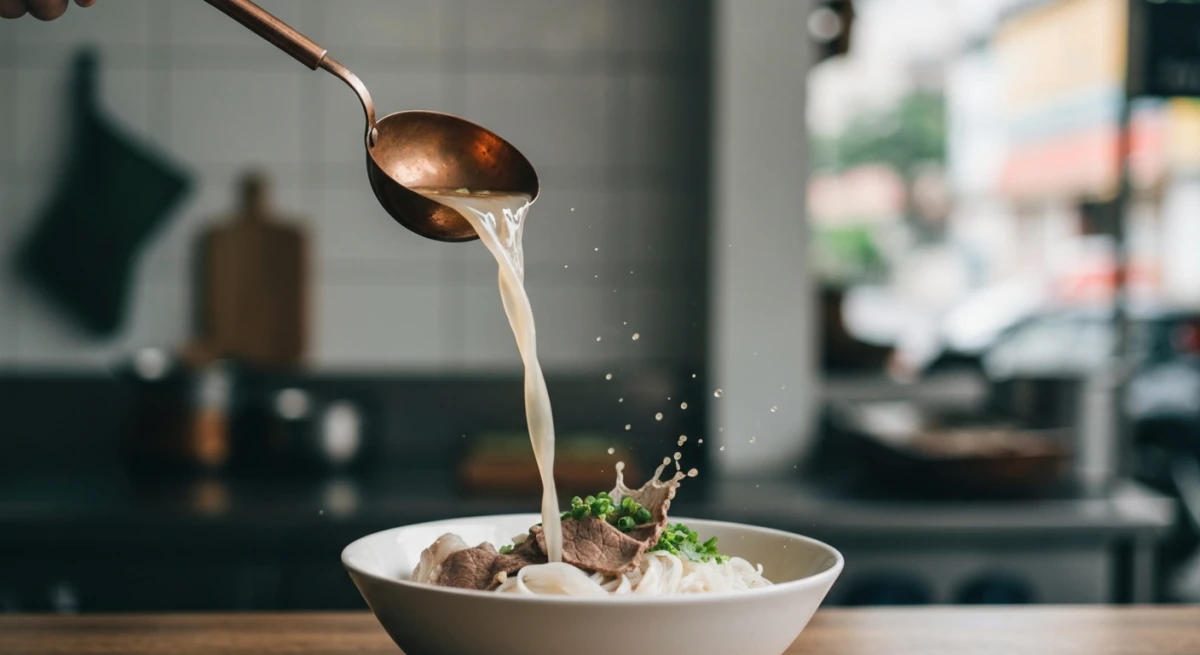
When the sun dips below the horizon, Hanoi sheds its frantic daytime shell to reveal a glowing, neon-lit wonderland. The aroma of simmering star anise, charred lemongrass, and sizzling pork fills the damp evening air. If you are hunting for the ultimate Hanoi night food market experience, you have come to the right place. From the historic alleys of the Old Quarter to the student-packed squares of Cau Giay, this comprehensive, local-approved guide reveals where to go, what legendary dishes to order, and how to navigate the chaotic street food scene like a seasoned pro.
The Hanoi Weekend Night Market: Sensory Overload in the Old Quarter
Stretching over three kilometers from Dong Kinh Nghia Thuc Square near Hoan Kiem Lake, up Hang Dao, Hang Ngang, and Hang Duong streets all the way to the edge of Dong Xuan Market, the Hanoi Weekend Night Market is an absolute sensory overload. Operating strictly from Friday to Sunday nights between 6:00 PM and midnight, this massive pedestrian zone is the most famous hanoi night food market of all.
As the sun sets, the streets are closed off to motor vehicles, and hundreds of metal-framed canvas stalls are rapidly assembled. The atmosphere is electric, painted with the glow of colorful paper lanterns and the high-pitched chatter of thousands of visitors. While the central stalls primarily sell cheap garments, souvenirs, and accessories, the intersecting alleys and sidewalks are a goldmine of street food.
Must-Try Street Eats at the Weekend Market
To experience this hanoi night food market to the fullest, keep your eyes peeled for these iconic snacks:
- Thit Xien Nuong (Grilled Pork Skewers): These are the undisputed champions of the night market. Slices of fatty pork are marinated in a sweet-and-savory blend of lemongrass, fish sauce, sesame seeds, honey, and garlic. They are threaded onto bamboo skewers and grilled over hot, smoking charcoal. The result is a beautifully caramelized, juicy skewer with charred, crispy edges. You can eat them straight off the stick or stuffed into a warm, crusty baguette (banh mi) smeared with a touch of chili sauce. Expect to pay around 10,000 to 15,000 VND ($0.40 - $0.60 USD) per skewer.
- Nem Chua Nuong (Grilled Cured Pork): This is a unique Northern Vietnamese specialty. Mildly fermented pork meatballs are skewered and grilled until the outside is sticky, caramelized, and slightly charred. It has a delightful sweet-sour-savory profile with a chewy, gelatinous texture that pair beautifully with a spicy chili dipping sauce.
- Banh Trang Nuong (Vietnamese Pizza): Originating from the south but heavily embraced in Hanoi's night markets, this snack consists of a thin sheet of rice paper grilled over charcoal. It is topped with minced pork, quail eggs, dried shrimp, sliced green onions, and drizzled with a rich mix of sweet chili sauce and mayonnaise. It is folded in half and served hot, offering a satisfying, shattering crunch.
- Modern Food Trends: In keeping up with viral food trends, you will also spot the incredibly popular Crocs-shaped pancakes filled with gooey, stretchy mozzarella cheese, alongside "dragon's breath" desserts—crunchy cereal balls dipped in liquid nitrogen that cause you to blow white vapor out of your mouth and nose like a mythical beast.
- Sugarcane Juice (Nuoc Mia): The perfect way to cool down. Fresh sugarcane stalks are pressed through metal rollers right in front of you, flavored with a squeeze of small, fragrant kumquats (quat) to balance the intense natural sweetness. Served over crushed ice for just 10,000 VND ($0.40 USD), it is the ultimate thirst quencher.
Ngo Dong Xuan (Dong Xuan Market Alley) – The Epicenter of Traditional Flavors
While the weekend night market is great for casual snacking, those seeking a deep, historic dive into Hanoi's culinary soul must head to Ngo Dong Xuan (Dong Xuan Market Alley). Located on the northern edge of the Old Quarter, right next to the historic Dong Xuan Market building, this narrow, 200-meter-long passage is revered by locals as a "food paradise."
Although Dong Xuan Market's indoor wholesale sections shut down around 6:00 PM, the adjacent alleyway transitions seamlessly into a bustling early-evening food haven. Here, the tourist-centric snacks of the weekend market fade away, replaced by decades-old stalls serving authentic, time-honored dishes. The setting is delightfully chaotic: low-hanging tarps, steam rising from massive soup pots, stainless-steel tables, and tiny plastic stools arranged tightly along the narrow passage.
Legendary Stalls to Visit in Dong Xuan Alley
- Bun Oc Thuy (Snail Noodle Soup): Operating for nearly 70 years, this humble 15-square-meter stall is run by Ms. Thuy and is highly celebrated by local food critics. The star of the show is the broth—a light, incredibly aromatic, and tangy masterpiece made from simmering tomatoes, wine dregs (dam bong), and a touch of fermented shrimp paste (mam tom). You can choose between large, meaty pond snails (oc to) or smaller, delicate snails (oc nho). Served over thin rice vermicelli noodles, crispy fried tofu, and a mountain of fresh split water spinach and perilla leaves, it is a magnificent representation of traditional Hanoian flavors.
- Bun Cha Que Tre (Bamboo-Skewered Grilled Pork): If you think you have had bun cha, think again. The ancestral method of preparing this dish involves wrapping marinated minced pork patties in wild betel leaves (la lot) and pressing them between two flat splits of green bamboo instead of a modern wire mesh. This traditional technique, preserved at the entrance of Dong Xuan Alley, imparts a profoundly earthy, woody smoke flavor to the pork. It is served in a warm dipping sauce uniquely flavored with dragonplum (sau) vinegar, accompanied by fresh vermicelli and herbs.
- Pho Tiu Co Phuong (Mrs. Phuong's Noodle Fusion): For a dry, refreshingly tangy noodle dish, head to Mrs. Phuong's stall. Pho Tiu is a beautiful fusion dish that blends soft, flat white rice noodles with tender slices of roasted pork loin, a cascade of sweet-and-sour-savory sauces poured from five secret boiling pots, and a crunchy topping of roasted peanuts, crispy fried shallots, and fresh herbs. It is light, intensely flavor-packed, and perfect for a humid night.
- Banh Tom Co Am (Co Am's Shrimp Cakes): These famous shrimp cakes are a crispy, golden-brown marvel. A batter of wheat flour, tapioca starch, eggs, and turmeric is mixed with thin hand-cut strips of sweet potato. A whole, fresh, shell-on freshwater shrimp is placed on top before the entire assembly is deep-fried to a perfect crunch. Wrap the hot cake in fresh lettuce leaves, dip it into a tangy, sweet-and-sour dipping sauce with pickled papaya, and savor the contrast of textures.
Tong Duy Tan Food Street – The Late-Night Pedestrian Sanctuary
When other parts of the city wind down and local police enforce the midnight curfew, night owls and hungry partygoers flock to Tong Duy Tan Street (also known as Hanoi Food Street) and its intersecting alleyway, Cam Chi. Located on the western fringe of the Hoan Kiem district near Hang Bong, this 200-meter cobblestone street is officially designated as an all-night pedestrian food zone.
The street is alive 24/7, but its true magic emerges after 9:00 PM. Plastic tables and chairs spill out onto the cobblestones under hanging bare bulbs, creating a warm, communal vibe. Tong Duy Tan is famous for comforting, hearty dishes designed to satisfy late-night cravings and warm up diners during Hanoi's cool winter evenings.
Classic Late-Night Dishes on Tong Duy Tan
- My Ga Tan (Herbal Chicken Stew with Noodles): This is the ultimate late-night comfort food and an excellent remedy for physical fatigue or a long night of socializing. Tender chicken (often black-bone chicken, or ga ac) is slow-simmered inside recycled metal beer or soda cans with a dense mixture of mugwort leaves (ngai cuu), goji berries, dried dates, lotus seeds, and traditional Chinese medicinal herbs. The result is a dark, incredibly fragrant broth with a complex bittersweet herbal flavor. The chicken is so tender it falls off the bone. It is typically served over instant ramen noodles (my tom) which absorb the rich, medicinal broth.
- Com Rang Dua Bo / Com Dao (Sizzling Fried Rice): Unlike standard fried rice, Tong Duy Tan's fried rice is cooked using a technique called "com dao." The rice grains are fried on an extremely hot wok until they form a delightful, dry, crispy exterior with plenty of crunchy bits. It is served alongside a savory plate of stir-fried beef with pickled mustard greens (dua bo) or roasted chicken. The acidity of the pickled greens perfectly cuts through the richness of the fried rice.
- Ky Dong (Steamed Rice Rolls & Stir-Fried Pho): Operating for over 70 years, Ky Dong is a legendary family-run establishment on Tong Duy Tan. It is highly recommended to try their banh cuon (delicate, paper-thin steamed rice sheets stuffed with minced pork and wood-ear mushrooms, topped with fried shallots) and pho xao (pan-fried flat rice noodles with beef and vegetables, resulting in a deep, smoky wok-hei flavor).
- Lau (Vietnamese Hotpot): As the temperature drops, groups of local youth gather around boiling pots of lau placed on small portable gas stoves in the middle of the street. You can choose from various broth styles—such as spicy and sour Thai-style broth, frog hotpot with bamboo shoots (lau ech), or beef hotpot—accompanied by a mountain of fresh vegetables, mushrooms, tofu, noodles, and raw meats to cook at the table.
Hidden Gems Beyond the Old Quarter: Hang Buom, West Lake, and Nghia Tan
To truly master the hanoi night food market scene, you must look beyond the standard tourist trails. Several localized night markets and food streets offer specialized experiences that are highly cherished by Hanoians.
Hang Buom Street: The Snacking Paradise
If you are walking through the Old Quarter walking streets on a weekend evening, do not miss Hang Buom Street. From 6:00 PM to midnight, this narrow street transforms into a highly concentrated 100-meter street food bazaar. The stalls here are compact, modern, and beautifully presented, operating like a rapid-fire culinary fair.
Hang Buom is highly focused on finger foods, snack skewers, and traditional desserts. Here, you can sample an endless array of grilled sausages, beef rolls wrapped in enoki mushrooms, deep-fried skewers, and Korean-influenced tteokbokki. For dessert, it is the best place to find Che (Vietnamese sweet dessert soup). Stalls display dozens of colorful bowls filled with grass jelly, lotus seeds, red beans, tapioca pearls, water chestnut cubes, and sweet coconut milk, allowing you to customize your own refreshing cup of sweet soup.
Truc Bach Island & West Lake: Pho Cuon and Lakeside Breezes
For a more relaxed, scenic dining experience, head north of the Old Quarter to Truc Bach Island, nestled between West Lake (Tay Ho) and Truc Bach Lake. This beautiful district benefits from a cooling lake breeze and is the birthplace of two highly unique culinary inventions:
- Pho Cuon (Rolled Pho): If you are tired of hot soup, pho cuon is the perfect nighttime alternative. Instead of slicing the fresh rice noodle sheets into strips, vendors leave them whole. They wrap these wide, silky sheets around stir-fried garlic beef and a fragrant mix of fresh herbs like cilantro and mint. You dip these hand-rolled cylinders into a sweet, sour, and mildly spicy dipping sauce. It is fresh, light, and incredibly delicious.
- Pho Chien Phong (Puffed Fried Pho): For something wonderfully indulgent, try pho chien phong. Squares of fresh, uncut rice noodle sheets are deep-fried until they puff up into hollow, crispy, golden-brown pillows. They are piled high and drenched in a rich, savory beef and bok choy gravy. The crispy noodle pillows slowly absorb the rich gravy, creating a magnificent contrast of crunchy and soggy textures.
Enjoy these dishes at local lakeside joints, and pair them with a cold, freshly poured glass of Bia Hoi (the legendary daily-brewed fresh draft beer) for an authentic Hanoian night out.
Nghia Tan Night Food Market: Student Budget Haven
If you want to completely escape the tourist gaze and experience street food prices untouched by tourism, take a taxi west to the Nghia Tan area in Cau Giay District. Surrounded by several universities, Nghia Tan Night Food Market is a lively hub packed with local students.
The prices here are shockingly low, and the vibe is purely local. It is the best place in Hanoi to try Banh Mi Chao (Skillet Bread). A sizzling, hot cast-iron skillet is brought to your table loaded with a rich tomato-based gravy, a slab of house-made pate, a sunny-side-up egg, small meatballs (xiu mai), and sliced sausages. You tear off pieces of a hot, crusty banh mi and scoop up the rich, sizzling ingredients directly from the pan.
Follow up your savory meal with a bowl of Tao Pho (Tofu Pudding). Silky smooth, warm soybean curd is served in a fragrant syrup infused with fresh jasmine flowers, topped with black grass jelly, shredded coconut, and chewy tapioca pearls. At just 10,000 to 15,000 VND ($0.50 USD), it is an absolute steal and a beloved local treat.
The Insider's Survival Guide to Hanoi's Street Food Scene
Navigating a bustling hanoi night food market can feel intimidating for first-time visitors. The fast-paced environment, the language barrier, and the chaotic layout require a bit of street smarts. Follow these expert tips to ensure your night is safe, enjoyable, and delicious:
Cash is Absolute King
Do not expect street food vendors to accept credit cards. Keep plenty of cash on hand, specifically in small denominations. Banknotes of 10,000 VND, 20,000 VND, and 50,000 VND are highly preferred. If you attempt to pay for a 15,000 VND pork skewer with a 500,000 VND note (the largest denomination in Vietnam, equivalent to about $20 USD), the vendor may not have enough change, or it may cause unnecessary frustration. Break your large notes at local convenience stores like Circle K or WinMart before heading into the markets.
How to Judge Hygiene Like a Pro
Many travelers worry about "Hanoi belly" or food poisoning when eating on the street. While street food is generally very safe due to high turnover, you can protect yourself by applying these basic rules:
- Follow the Crowds: If a stall is packed with locals, eat there. High foot traffic means the ingredients are constantly being replenished, ensuring nothing sits out for too long.
- Observe the Broth: For noodle soup stalls, ensure the massive broth pots are kept at a roaring, continuous boil. High heat naturally sterilizes the soup.
- Check the Prep Station: Look at how the meat and vegetables are stored. Stalls that keep raw meats on ice or prepare dishes right in front of you are always safer than those with pre-cooked food sitting exposed to the air.
- Ice Safety: In Hanoi, almost all commercial ice used in drinks consists of hollow, cylinder-shaped "tube ice" manufactured in purified ice plants. This ice is completely safe to consume. Avoid ice only if it arrives in large, crushed blocks that look like they were manually chipped from a larger slab.
Embrace the Low Plastic Stools
In Hanoi, street food is a social leveler. You will see business professionals in expensive suits sitting on tiny, brightly colored plastic stools right next to university students and foreign travelers.
- The Etiquette: Space is at a premium. If a stall is busy, be prepared to share a table with strangers. Do not be alarmed by the trash under the tables. In Hanoi's street food culture, used paper napkins, squeezed lime halves, and toothpick wrappers are routinely dropped directly onto the floor. The staff sweeps the floor continuously throughout the night. Keeping the table clean is highly valued, even if the floor looks chaotic!
Master the Basic Vocabulary
While many vendors in tourist-heavy areas speak basic English, showing a little effort in Vietnamese goes a long way. Use these simple phonetic phrases:
- Bao nhieu tien? (How much is this? - Pronounced: bow nyoo thien)
- Cho toi mot cai nay (Give me one of this - Pronounced: chaw toy mote kye nay)
- Khong cay (Not spicy - Pronounced: khom kye)
- Ngon qua! (Very delicious! - Pronounced: ngon kwah)
- Cam on (Thank you - Pronounced: kahm uhn)
Frequently Asked Questions (FAQ)
- Is Hanoi street food safe for tourists? Yes, street food in Hanoi is incredibly fresh and generally very safe. Because of the sheer volume of customers, ingredients are bought fresh from wet markets daily and cooked at high temperatures. To be safe, stick to busy stalls, drink bottled water, and avoid uncooked vegetables if you have a highly sensitive stomach.
- Which night market in Hanoi has the best food? For variety and a vibrant atmosphere, the Hanoi Old Quarter Weekend Night Market (especially Hang Buom Street) is the best. For authentic, traditional Hanoian culinary masterclasses, Ngo Dong Xuan (Dong Xuan Market Alley) is unmatched. For late-night dining on weekdays, Tong Duy Tan Food Street is your best option.
- When are Hanoi's night food markets open? The famous Hanoi Weekend Night Market operates from Friday to Sunday, 6:00 PM to midnight. Tong Duy Tan Food Street is open 24/7, seven days a week. Dong Xuan Market Alley is most active from early morning until around 6:30 PM, though surrounding street stalls remain active late into the night.
- How much does street food cost in Hanoi? Street food in Hanoi is remarkably budget-friendly. Most skewers, snacks, and sweet soups cost between 10,000 and 20,000 VND ($0.40 to $0.80 USD). A hearty bowl of noodle soup (pho, bun cha, or bun oc) typically ranges from 35,000 to 55,000 VND ($1.50 to $2.30 USD). You can easily enjoy a massive, multi-course feast for under $10 USD.
- Do I need to book a guided street food tour? If you are a first-time visitor or feel overwhelmed by the fast-paced environment and language barrier, booking a guided Hanoi street food tour is highly recommended. A local guide can lead you to hidden alleyway stalls you would never find on your own and explain the fascinating history behind each dish. However, if you are adventurous, following this guide makes a DIY food crawl incredibly rewarding and fully manageable.
Conclusion
Hanoi's night food markets are far more than mere places to grab a cheap meal; they are the vibrant living rooms of the city. Under the glow of neon signs and paper lanterns, sitting on miniature plastic stools, you get to experience the raw, authentic pulse of Vietnamese culture. Whether you find yourself slurping tangy snail noodle soup in a historic 70-year-old alleyway, savoring smoky bamboo-skewered pork, or sipping a cold Bia Hoi by the lakeside, the culinary landscape of Hanoi after dark is guaranteed to leave an indelible mark on your palate. Grab your cash, put on your walking shoes, and prepare for an unforgettable late-night feast.