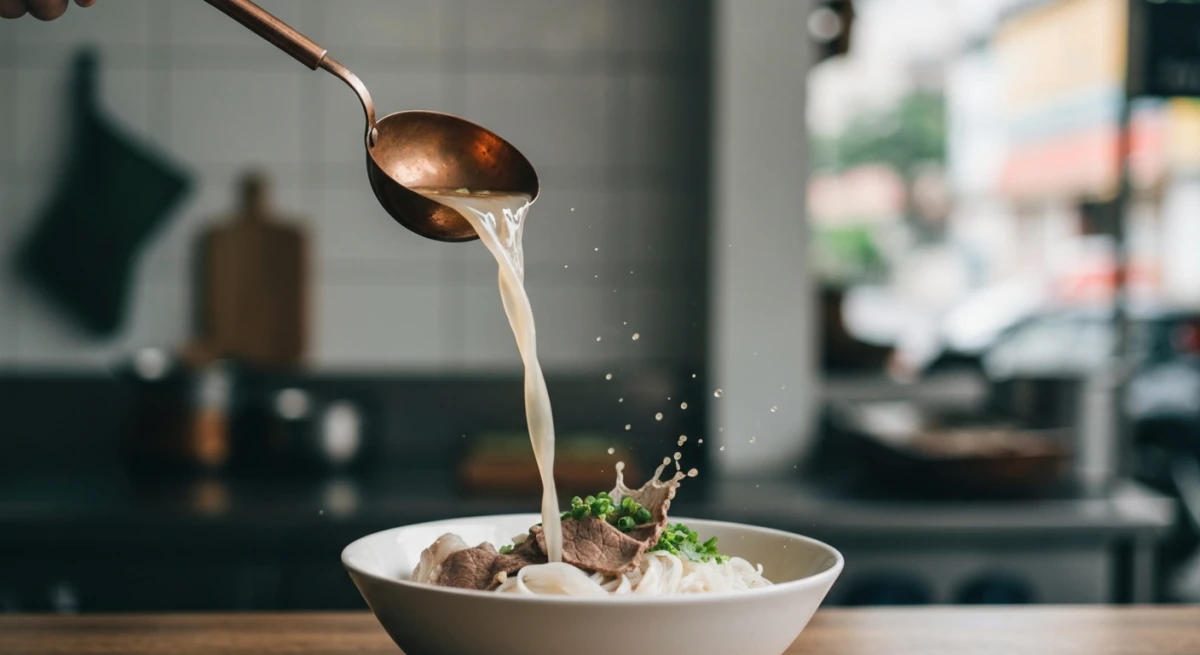
The Sensory Feast: An Introduction to Hanoi Night Market Food
Every Friday, Saturday, and Sunday evening, as the sun dips below the horizon and the historic French colonial architecture of the Old Quarter is bathed in a warm, amber glow, a remarkable transformation occurs in the heart of Vietnam's capital. The bustling daytime motorbikes are cleared away, pedestrian barricades are rolled into place, and the streets hum with a different kind of electricity. Under a canopy of vibrant, glowing lanterns and strings of yellow market bulbs, the weekend walking streets come alive with the sights, sounds, and unforgettable aromas of the legendary hanoi night market food scene. Stretching for nearly three kilometers from Hang Dao Street all the way to the gate of the historic Dong Xuan Market (Chợ Đồng Xuân), this open-air festival is a mesmerizing, beautiful sensory overload that beckons travelers and hungry locals alike.
For any culinary enthusiast, navigating this lively, chaotic maze is a rite of passage. However, finding the absolute best hanoi night market food is not as simple as walking the main strip and pointing at the first food cart you see. The true magic of Northern Vietnamese cuisine is deeply rooted in balance, subtlety, and historical heritage. Unlike the bolder, sweeter profiles found in Southern Vietnam, traditional Hanoian food relies on delicate herbs, savory broths, aromatic lemongrass marinades, and the incomparable smoky flavor that only open-coal grilling can produce. In this comprehensive, local-expert guide, we will pull back the curtain on this iconic street food destination. You will discover exactly where to find the best culinary pockets, a detailed breakdown of twelve must-try local specialties, and critical insider tips on how to avoid disappointing tourist traps and eat like a seasoned local.
The Map of Flavor: Where is the Best Hanoi Night Market Food?
To the uninitiated eye, the Hanoi Weekend Night Market can seem like an endless, undifferentiated sea of stalls selling factory-surplus t-shirts, cheap electronics, and souvenir handicrafts. Many first-time visitors walk the main spine of the walking street (stretching from Hang Dao through Hang Ngang and Hang Duong) and find themselves wondering where all the famous street food stalls are hidden. The secret to unlocking the best hanoi night market food lies in understanding the geography of the market and knowing exactly where the specialized culinary zones are located.
The Core Logistics
- Location: The main pedestrian walking street runs from Hang Dao Street (just north of Hoan Kiem Lake) through the historic Old Quarter to Dong Xuan Market.
- Operating Hours: Every Friday, Saturday, and Sunday from 6:00 PM to midnight.
- Peak Hours: The market officially opens at 6:00 PM, but the food vendors are usually fully set up and ready by 7:00 PM. The heaviest, shoulder-to-shoulder crowds peak between 8:00 PM and 10:00 PM. To dine comfortably, arriving between 7:00 PM and 7:45 PM is highly recommended.
The Dedicated Food Streets
If you want to experience the true heartbeat of the night market's food culture, you must venture off the main commercial strip and head straight into these specialized culinary sanctuaries:
- Hang Buom Street (Phố Hàng Buồm): This is the undisputed epicentre of hanoi night market food. Running perpendicular to the main market strip, Hang Buom Street is closed to motor vehicles on weekend nights and transformed into a dedicated food haven. It is packed end-to-end with dozens of miniature open-air stalls, sizzling grills, and dessert carts. Here, you will find everything from classic Northern Vietnamese barbecue to modern fusion street snacks.
- Dong Xuan Alley (Ngõ Đồng Xuân): Tucked away right next to the historic Dong Xuan Market building, this narrow, rustic alleyway is a daytime food legendary spot that transitions beautifully into the weekend night scene. It is famous for housing generational family vendors who serve up deep, complex pork cartilage porridges, snail noodle soups, and sweet desserts at incredibly low prices.
- Ta Hien Beer Street (Phố Tạ Hiện): Located just a short walk from the main night market route, Ta Hien is the perfect place to conclude your evening food tour. While famous for its microscopic plastic stools spilling onto the pavement and ice-cold cups of Bia Hơi (fresh local draft beer), the street also boasts fantastic night food options, including grilled quails (chim quay), deep-fried cheese sticks, and aromatic lemongrass beef fries.
12 Must-Try Hanoi Night Market Foods and Where to Find Them
Embarking on a street food crawl through the Hanoi Weekend Night Market is an adventure for the palate. To help you navigate the endless options, here is a carefully curated checklist of twelve spectacular, authentic dishes that showcase the richness of Northern Vietnamese cuisine, complete with pricing and flavor profiles.
1. Thịt Xiên Nướng (Lemongrass Charcoal-Grilled Pork Skewers)
There is no aroma more iconic to the Hanoi night market than the sweet, smoky cloud of caramelized pork grilling over open charcoal. Thịt xiên nướng is the quintessential Vietnamese street food snack. Thinly sliced pork shoulder, perfectly balanced with ribbon-thin layers of fat to ensure juiciness, is marinated in a complex paste of crushed lemongrass, garlic, shallots, fish sauce, honey, and sesame oil. The skewers are slowly turned over red-hot coals until they develop a beautifully charred, sticky lacquer.
- Why it’s special: It represents the peak of Northern grilling technique—savory, slightly sweet, and intensely aromatic.
- Average Price: 10,000 to 15,000 VND ($0.40 - $0.60 USD) per skewer.
2. Bánh Tráng Nướng (Vietnamese Grilled Paper Pizza)
Originally hailed as a street food masterpiece from the misty mountain city of Da Lat in Central Vietnam, Bánh tráng nướng has been enthusiastically adopted by Hanoi’s youth and is now a staple of the weekend night market. A large, circular sheet of dry rice paper serves as the pizza crust. It is placed directly onto a wire grill over glowing coals, brushed with scallion oil, and topped with beaten quail eggs, minced pork, tiny dried shrimp, and sweet chili sauce. As the egg cooks and crispifies the rice paper, a drizzle of rich mayonnaise and sriracha is added before the entire sheet is folded in half and wrapped in paper.
- Why it’s special: The incredible contrast of textures—shatteringly crispy, warm rice paper with creamy, savory egg and spicy condiments.
- Average Price: 20,000 to 30,000 VND ($0.80 - $1.20 USD) each.
3. Nem Chua Nướng (Grilled Fermented Pork Skewers)
For a uniquely Hanoian flavor profile, look no further than Nem chua nướng. Made from cured minced pork mixed with shredded pork rind, garlic, and chili, these small sausages are naturally fermented to develop a signature, subtle tang. Once threaded onto bamboo skewers and grilled over charcoal, the gelatinous pork rind melts, creating a sticky, chewy, and deeply savory texture with a beautifully caramelized exterior. It is traditionally served with fresh cucumber slices and a specialized sweet, thick chili sauce.
- Why it’s special: A perfect balance of sour, sweet, smoky, and spicy flavors that pairs exquisitely with a cold local beer.
- Average Price: 6,000 to 10,000 VND ($0.25 - $0.40 USD) per skewer.
4. Cháo Sườn Sụn (Silky Pork Cartilage Porridge)
If you are visiting Hanoi during the cooler autumn or winter months, a warm bowl of Cháo sườn sụn is absolute heaven. This is not your average coarse rice porridge; the rice is ground into a fine, smooth, velvety paste and slow-cooked with a rich pork bone marrow broth. It is served steaming hot, topped with generous spoonfuls of shredded savory pork floss (ruốc), tender bits of stewed pork cartilage rib, and crispy, hollow fried dough sticks (quẩy) that absorb the flavorful porridge like sponges.
- Why it’s special: It is the ultimate comfort food, offering a luxurious texture that warms you from the inside out.
- Average Price: 30,000 to 45,000 VND ($1.20 - $1.80 USD) per bowl.
5. Chè (Traditional Vietnamese Sweet Soup Desserts)
After indulging in savory, smoky meats, a visit to a traditional Chè stall is essential. At the night market, you will spot vendors displaying dozens of colorful, transparent glass bowls filled with diverse toppings. You can customize your own glass of sweet refreshment by choosing from ingredients like candied lotus seeds, soft red beans, grass jelly, translucent water chestnut cubes wrapped in tapioca flour, jackfruit strips, and slippery grass-green pandan jelly. The cup is then topped with a generous ladle of fragrant coconut milk and crushed ice.
- Why it’s special: It is incredibly customizable, cooling, and showcases the diverse textures that Vietnamese desserts are famous for.
- Average Price: 15,000 to 25,000 VND ($0.60 - $1.00 USD) per glass.
6. Bánh Mì Sốt Vang (Baguette with Red Wine Beef Stew)
A stunning example of French colonial culinary influence blended seamlessly with local Vietnamese tastes, Bánh mì sốt vang is a must-try. Tough cuts of beef shank and tendon are marinated in five-spice powder, star anise, cinnamon, ginger, garlic, and red wine, then slow-stewed with carrots until they are meltingly tender. The resulting gravy is thick, glossy, and intensely aromatic. It is served piping hot alongside a freshly toasted, airy baguette with a golden-crisp crust.
- Why it’s special: It showcases the depth of Northern spices, combining rich, warming French cooking techniques with local herbs.
- Average Price: 40,000 to 55,000 VND ($1.60 - $2.20 USD) per serving.
7. Nộm Bò Khô (Spicy Green Papaya and Dried Beef Salad)
When the heat of the market gets overwhelming, Nộm bò khô offers an incredibly refreshing, texture-rich escape. A mountain of julienned green papaya and carrots is mixed with fresh Vietnamese balm (kinh giới), coriander, and toasted peanuts. The salad is crowned with dark, intensely savory, sweet-spicy slices of chewy dried beef and jerky. It is dressed in a light, tangy, sweet-and-sour fish sauce vinaigrette that ties the entire dish together.
- Why it’s special: The papaya provides a crisp, crunching freshness that perfectly offsets the rich, intensely sweet-savory dried beef.
- Average Price: 35,000 to 50,000 VND ($1.40 - $2.00 USD) per plate.
8. Bánh Bột Lọc (Translucent Shrimp and Pork Dumplings)
Often sold alongside green papaya salad, Bánh bột lọc are small, translucent dumplings made from chewy tapioca starch. Inside each dumpling is a filling of seasoned pork belly and a single, whole, caramelized freshwater shrimp. They are boiled, brushed with scallion oil and crispy fried shallots, and served in a warm bath of sweet-and-sour dipping sauce containing sliced green papaya.
- Why it’s special: The unique, highly addictive, springy texture of the tapioca dough combined with the sweet and salty seafood filling.
- Average Price: 25,000 to 35,000 VND ($1.00 - $1.40 USD) per plate.
9. Kem Xôi (Pandan Sticky Rice Ice Cream)
Kem xôi is a beloved retro dessert that perfectly bridges the gap between traditional sticky rice and modern ice cream. A layer of warm, chewable, sweet sticky rice cooked with fragrant pandan leaves (giving it a striking, natural green color) is placed at the bottom of a small bowl. It is then topped with a generous scoop of rich, creamy coconut ice cream, a heavy sprinkle of toasted coconut shavings, and a drizzle of sweet condensed milk.
- Why it’s special: The physical contrast of warm, chewy sticky rice against cold, meltingly sweet coconut ice cream is an absolute revelation.
- Average Price: 20,000 to 30,000 VND ($0.80 - $1.20 USD) per bowl.
10. Nem Rán (Classic Deep-Fried Spring Rolls)
While you can find fried spring rolls across Vietnam, Hanoi’s Nem rán are uniquely delicate. A mixture of minced pork, wood-ear mushrooms, glass noodles, bean sprouts, and minced carrots is seasoned with fish sauce and white pepper, wrapped tightly in thin, circular rice paper sheets, and double-fried until they achieve a delicate, flaky, golden crunch. They are served with fresh lettuce leaves and herbs for wrapping, along with a light, warm dipping sauce.
- Why it’s special: The double-frying technique ensures the wrapper is unbelievably crispy while keeping the pork interior moist and tender.
- Average Price: 10,000 to 15,000 VND ($0.40 - $0.60 USD) per roll.
11. Phở Cuốn (Rolled Pho Sheets with Stir-Fried Beef)
For a lighter, fresher take on Vietnam’s national dish, search out Phở cuốn. Instead of cutting steamed rice noodle sheets into thin strips for soup, the sheets are kept whole and wide. A savory filling of tender, wok-fried beef seasoned with garlic and black pepper, along with crisp lettuce, fresh mint, and coriander, is rolled inside the soft, silk-like noodle sheet. It is served cold with a bowl of sweetened, garlic-chili fish sauce for dipping.
- Why it’s special: It offers all the clean, herbaceous flavors of pho in a portable, refreshing, finger-food format.
- Average Price: 40,000 to 60,000 VND ($1.60 - $2.40 USD) per plate of 5-6 rolls.
12. Bánh Gối (Golden Pillow Cakes)
Named for its charming resemblance to a small, plump pillow, Bánh gối is a popular deep-fried pastry. The outer crust is made of a crisp, flaky wheat flour pastry. Inside lies a dense, seasoned filling of minced pork, wood-ear mushrooms, glass noodles, and a whole hard-boiled quail egg. It is deep-fried to a perfect golden hue and cut into bite-sized pieces, served with a sweet-sour dipping sauce containing green papaya slices and a basket of fresh herbs.
- Why it’s special: It is highly satisfying, crispy, and the perfect rich snack to fuel a night of heavy walking.
- Average Price: 15,000 to 20,000 VND ($0.60 - $0.80 USD) per cake.
What to Skip: The Tourist Traps of Hanoi Night Market Food
As the popularity of the Hanoi Weekend Night Market has grown, so too has the presence of highly commercialized, non-authentic food stalls. If you want to experience the true soul of Northern Vietnamese gastronomy, it is highly recommended to approach certain stalls with a healthy degree of culinary skepticism.
The Industrial Skewer Carts
As you walk down the main tourist streets, you will notice flashy stalls under bright LED lights displaying mountains of brightly colored, uniform skewers. These include neon-orange hot dogs, uniform white fish balls, processed crab sticks, spiral-sliced potatoes on sticks, and imitation cheese-stuffed meatballs. These items are typically mass-produced, frozen, and dropped into deep-fryers of re-used oil upon order.
While popular with children and visually eye-catching for social media, these snacks have virtually no connection to traditional Vietnamese food culture. They are highly processed, imported street food trends that offer poor nutritional value and tend to be heavily overpriced compared to local delicacies.
Generic "Rolled Ice Cream"
Another common sight is the flat-top metal plates where vendors chop and roll liquid ice cream. While entertaining to watch, the ingredients used are often cheap, shelf-stable dairy mixes and artificial syrups. If you are craving dessert, your money and appetite are far better spent supporting local artisans selling Kem xôi (sticky rice ice cream) or fresh Chè.
How to Spot an Authentic Local Vendor
To ensure your hanoi night market food journey is both authentic and delicious, look for these visual green flags:
- Single-Dish Specialists: The best vendors do not try to sell fifty different things. They specialize. Look for a stall that only sells grilled pork skewers, or only sells sweet soups.
- The Presence of Locals: If you see groups of Vietnamese university students or local families huddled around a low table on tiny blue plastic stools, that is the ultimate stamp of approval.
- High Ingredient Turnover: Choose stalls where ingredients are being freshly prepped, meats are being cooked continuously on the grill, and bowls are being cleared rapidly. High turnover guarantees freshness.
Practical Insider Tips: Surviving and Thriving at the Night Market
To make your culinary exploration of the Hanoi Weekend Night Market as seamless and enjoyable as possible, keep these practical, field-tested safety and cultural tips in mind.
1. Cash is Absolute King
Do not expect to use credit cards, Apple Pay, or international digital wallets at street food stalls. Vietnamese street food vendors operate strictly on cash.
- Ensure you carry Vietnamese Dong (VND) in small denominations (10,000, 20,000, and 50,000 VND notes).
- Avoid trying to pay for a 15,000 VND pork skewer with a large 500,000 VND note, as small vendors may not have enough change early in the evening.
- Keep your money tucked securely in a front pocket or a cross-body bag worn on your chest.
2. Verify Prices Before You Bite
While food prices at the Hanoi night market are incredibly cheap compared to Western standards, price gouging of tourists (locally known as chặt chém) can occasionally happen.
- Most reputable stalls will have clear, printed menus with prices listed on cardboard or plastic boards.
- If there is no visible menu, always ask for the price before ordering. You can simply point to an item and say, "Bao nhiêu?" (pronounced bow nyew, meaning "How much?"). This simple step ensures no unpleasant surprises when it comes time to pay.
3. Food Safety and Hygiene Guidelines
Many travelers worry about getting sick from street food (sometimes called "Hanoi belly"). While street food hygiene standards are different from Western restaurants, you can easily protect yourself by applying basic street-smart precautions:
- Watch the Heat: Only eat food that is served steaming hot. If a grilled pork skewer has been sitting cold on a tray for hours, politely ask the vendor to heat it up on the charcoal grill before handing it to you.
- Inspect the Ice: Hanoi’s central ice factories produce clean, safe tube ice (đá ống) that is widely used by vendors. However, if you have a highly sensitive stomach, skip ice in your drinks and choose chilled, canned beverages instead.
- Sanitize Your Utensils: It is common local practice to use a clean paper napkin to wipe down your chopsticks and spoons before you eat.
4. Navigating the Dense Crowds
The night market can become a massive bottleneck, especially near the intersection of Hang Buom and Hang Ngang.
- Keep your personal belongings highly secure. Pickpocketing can happen in extremely tight spaces where people are distracted by food and shopping.
- Wear comfortable, closed-toe walking shoes to protect your feet from being stepped on in the dense crowds.
Frequently Asked Questions (FAQ)
What days and times is the Hanoi Weekend Night Market open?
The Hanoi Weekend Night Market operates exclusively on Friday, Saturday, and Sunday evenings. It officially runs from 6:00 PM to midnight. However, the best time to visit for food is between 7:00 PM and 8:30 PM, when all vendors are open but the crowds have not yet reached their peak density.
Is hanoi night market food safe for tourists to eat?
Yes, the vast majority of street food at the night market is safe for tourists. To minimize risk, choose busy stalls with high local turnover, ensure your meat is freshly cooked and steaming hot, and wipe your utensils down with a clean napkin before eating.
Where is the best food street in the Hanoi Night Market?
While the night market stretches for 3 kilometers, the highest concentration of high-quality food stalls is found on Phố Hàng Buồm (Hang Buom Street), which intersects the main walking street. Additionally, Ngõ Đồng Xuân (Dong Xuan Alley) right next to the historic Dong Xuan Market offers exceptional traditional porridges and sweet desserts.
Can you bargain for food at the night market?
No, bargaining is not accepted for food or drinks. Unlike souvenirs, clothing, and handicrafts where haggling is common practice, food prices at the night market are strictly fixed and very affordable. Always check the menu or ask for the price beforehand to avoid misunderstandings.
How much budget do I need for a street food crawl?
A budget of 150,000 to 300,000 VND ($6.00 to $12.00 USD) per person is more than enough to enjoy a massive, multi-course street food crawl that will leave you completely full.
Conclusion: Savoring the Spirit of Hanoi
Navigating the bustling, aromatic streets of the Hanoi Weekend Night Market is more than just a way to satisfy your hunger; it is a profound cultural journey into the everyday life of the Vietnamese capital. By skipping the generic, frozen tourist traps and seeking out the dedicated food streets of Hang Buom and Dong Xuan Alley, you unlock a world of rich culinary heritage. Sitting on a tiny plastic stool, listening to the sizzle of charcoal grills, and enjoying a plate of freshly rolled pho or lemongrass pork skewers is the ultimate way to experience the true soul of Hanoi after dark. Wear your comfortable shoes, bring plenty of cash, and prepare your palate for an unforgettable weekend feast.